
Close Menu
My Blog

    Subscribe to Updates

    Get the latest creative news from FooBar about art, design and business.

    What's Hot

    Nautilus debuts Voyager platform in push toward next-gen proteomics

    March 1, 2026

    First-in-Human Success for Prenatal Stem Cell Therapy in Spina Bifida

    February 28, 2026

    Pressure-Driven Pathway Links Liver Congestion to Fibrosis and Cancer

    February 28, 2026
    Facebook X (Twitter) Instagram
    X (Twitter) YouTube
    My BlogMy Blog
    Sunday, March 1
    • Home
    • About Us
    • Healthy Living
    • DNA & Genetics
    • Podcast
    • Shop
    My Blog
    Home»DNA & Genetics»New Monoclonal Antibody Shows Promise in Immune Thrombocytopenia
    DNA & Genetics

    New Monoclonal Antibody Shows Promise in Immune Thrombocytopenia

    adminBy adminDecember 10, 2025No Comments3 Mins Read
    Facebook Twitter Pinterest LinkedIn Tumblr WhatsApp VKontakte Email
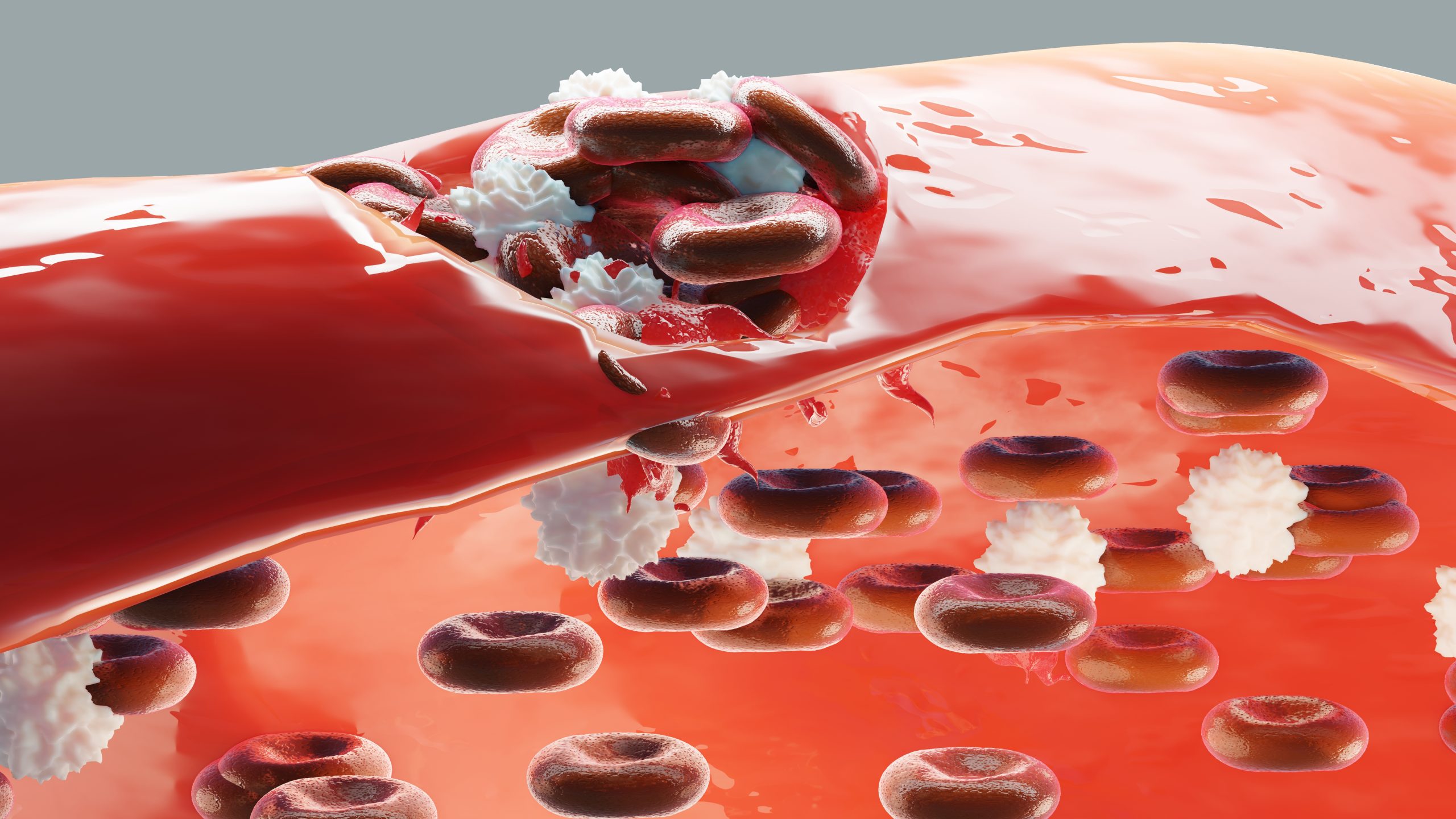
    Hemostasis. Red blood cells and platelets in the blood vessel. Basic steps of wound healing process. 3d illustration
    Share
    Facebook Twitter LinkedIn Pinterest Email

    Primary immune thrombocytopenia (ITP) is an autoimmune condition where the body’s immune cells mistakenly attack platelets, the blood cells responsible for clotting, which can lead to life-threatening bleeding. Associated with abnormal bleeding from skin and mucous membranes, this condition affects around 50,000 people in the United States, can be diagnosed at any age, and contributes to other symptoms like easy bruising and fatigue.

    In a Phase III clinical trial, over half of patients who received a limited course of an experimental monoclonal antibody known as ianalumab were able to sustain safe platelet counts for at least one year without any serious bleeding episodes. The research, titled “Ianalumab plus Eltrombopag versus Placebo plus Eltrombopag in Immune Thrombocytopenia,” was published in the New England Journal of Medicine. Researchers from the Perelman School of Medicine at the University of Pennsylvania and collaborators presented the research at the 67th American Society of Hematology (ASH) Annual Meeting and Exposition in Orlando, FL.

    “As a hematologist, I’m glad that we have effective therapies for ITP, but they’re not necessarily ideal for chronic disease management or long-term quality of life,” said lead author Adam Cuker, MD, section chief for hematology and clinical director of the Penn Blood Disorders Center. While treatment is not always necessary for some patients with ITP, patients with low platelet count or repeated or severe bleeding may require initial steroid treatment and ongoing care. Three FDA-approved second-line therapies are available for ITP, but these generally require ongoing treatment for life. Cuker added, “This study shows that prolonged, durable responses to ITP treatment, without the need for ongoing therapy, are possible—and that’s a huge advantage for patients.”

    The VAYHIT2 study was a double-blind, multicenter clinical trial that randomized 152 adult patients with ITP to three arms: a higher dose of ianalumab (50 patients), a lower dose of ianalumab (51 patients), or a placebo (51 patients). Ianalumab targets the B-cell-activating factor (BAFF) receptor, and this depletes autoreactive B cells responsible for the anti-platelet antibodies that cause ITP. Given intravenously once monthly across four months, Ianalumab was given alongside eltrombopag, which is an approved second-line treatment for ITP.

    Time to Treatment Failure (TTF) was assessed, defined as a low platelet count, the need for additional ITP therapy, inability to taper or discontinue eltrombopag, or death. At 12 months, the estimated probability of avoiding treatment failure was 54.2% in the high-dose group and 50.5% in the low-dose group, compared with only 30% of patients in the placebo group. In addition, when platelet counts were evaluated at six months (two months after the final dose of ianalumab), 62% of patients in the high-dose treatment group maintained stable platelet counts, versus only 39.2% of patients in the placebo group.

    While additional clinical trials continue for ianalumab, including other studies for additional autoimmune conditions, the researchers will continue monitoring the patients from this study to understand treatment response long-term.

    “We’re looking forward to seeing if the treatment-free responses in this study extend out even further,” Cuker said. “Improving the long-term reality of living with ITP is not something we’ve been able to think about before. The goal has always been to improve platelet counts or reduce the risk of bleeding, but this research is ushering in a new era of hope for patients with ITP.”

    Antibody Immune monoclonal promise Shows Thrombocytopenia
    Share. Facebook Twitter Pinterest LinkedIn Tumblr WhatsApp Email
    Previous ArticleAncestry Bias in Human Transcriptomes Skews Reference Gene Maps
    Next Article Is Tuna Salad Healthy? Nutrition, Benefits, & Recipes
    admin
    • Website

    Related Posts

    A Video Report from AGBT

    February 27, 2026

    Novo Nordisk, Vivtex Ink Up to $2.1B Deal to Develop Oral Biologics for Metabolic Conditions

    February 27, 2026

    Increasing Rice Yields with Gene-Informed Selective Breeding

    February 27, 2026

    Mutant p53 Selective Reactivation Demonstrated in Advanced Solid Tumors

    February 27, 2026
    Leave A Reply Cancel Reply

    Our Picks

    9 Time-Saving Kitchen Gadgets for Fall at Amazon

    September 5, 2025

    Why Exercise Is So Important For Heart Health, From An MD

    September 5, 2025

    An Engineered Protein Helps Phagocytes Gobble Up Diseased Cells

    September 5, 2025

    How To Get Rid Of Hangnails + Causes From Experts

    September 5, 2025
    • Facebook
    • Twitter
    • Pinterest
    • Instagram
    • YouTube
    • Vimeo
    Don't Miss
    Longevity

    Nautilus debuts Voyager platform in push toward next-gen proteomics

    By adminMarch 1, 20260

    Company’s new benchtop system promises a clearer view of proteins following validation at a leading…

    First-in-Human Success for Prenatal Stem Cell Therapy in Spina Bifida

    February 28, 2026

    Pressure-Driven Pathway Links Liver Congestion to Fibrosis and Cancer

    February 28, 2026

    A cellular atlas of aging comes into focus

    February 28, 2026

    Subscribe to Updates

    Get the latest creative news from SmartMag about art & design.

    About Us

    At FineGut, our mission is simple: to enhance your self-awareness when it comes to your gut health. We believe that a healthy gut is the foundation of overall well-being, and understanding the brain–gut connection can truly transform the way you live.

    Our Picks

    9 Time-Saving Kitchen Gadgets for Fall at Amazon

    September 5, 2025

    Why Exercise Is So Important For Heart Health, From An MD

    September 5, 2025

    An Engineered Protein Helps Phagocytes Gobble Up Diseased Cells

    September 5, 2025
    Gut Health

    Nautilus debuts Voyager platform in push toward next-gen proteomics

    March 1, 2026

    First-in-Human Success for Prenatal Stem Cell Therapy in Spina Bifida

    February 28, 2026

    Pressure-Driven Pathway Links Liver Congestion to Fibrosis and Cancer

    February 28, 2026
    X (Twitter) YouTube
    • Contact us
    • Privacy Policy
    • Disclaimer
    • Terms and Conditions
    © 2026 finegut.com. Designed by Pro.

    Type above and press Enter to search. Press Esc to cancel.