

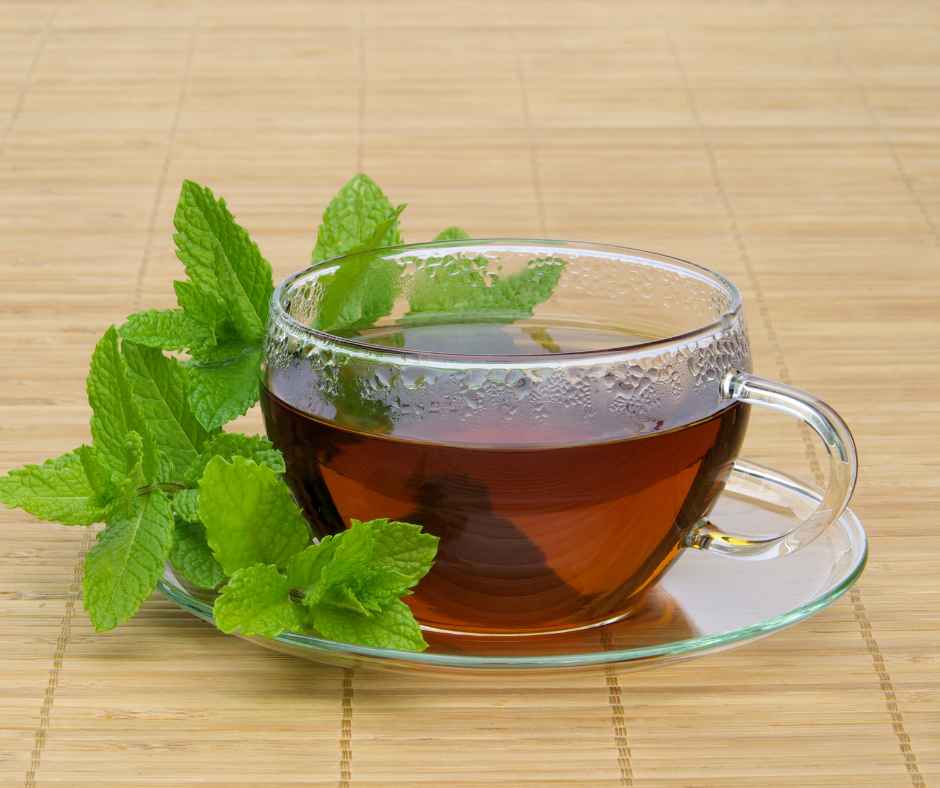
Peppermint tea is far more than just a festive holiday beverage or a refreshing palate cleanser. For centuries, this aromatic herbal infusion has been revered not only for its cool, crisp flavor but also for its profound medicinal properties.
As modern science begins to validate traditional wisdom, the benefits of peppermint tea are becoming a cornerstone of natural wellness routines worldwide. From soothing a stubborn stomach ache to sharpening mental focus without the jitters of caffeine, this humble herb offers a versatile toolkit for better health.
In this comprehensive guide, we will explore the extensive health benefits of peppermint tea, diving deep into how it impacts everything from your digestion and respiratory system to your skin and sleep quality.
Whether you are looking to alleviate bloating, manage stress, or simply find a caffeine-free alternative to your morning coffee, peppermint tea has something to offer. We will cover daily advantages, specific benefits for men and women, pregnancy safety, weight loss potential, and even potential side effects to be aware of.
What Is Peppermint Tea?
Peppermint tea is an herbal infusion made from the leaves of the peppermint plant (Mentha piperita), a natural hybrid cross between water mint and spearmint. While it is native to Europe and the Middle East, it is now cultivated globally due to its hardy nature and high demand.
Composition & Natural Oils
The secret behind the potency of peppermint lies in its essential oils. The leaves contain varying concentrations of menthol, menthone, and limonene. Menthol is the primary active compound responsible for the tea’s signature cooling sensation and minty scent. When you steep peppermint leaves in hot water, these volatile oils are released, creating a beverage that is as therapeutic as it is delicious.
A Caffeine-Free Powerhouse
One of the most significant advantages for daily drinkers is that peppermint tea is naturally caffeine-free. Unlike black, green, or white teas that come from the Camellia sinensis plant, herbal peppermint tea does not contain stimulants. This makes it an excellent choice for hydration at any time of day without disrupting sleep patterns or causing anxiety.
Note: When exploring what is the benefits of peppermint tea, it is crucial to understand that its power comes naturally from its volatile oils, making it a gentle yet effective remedy for various ailments.
How Peppermint Tea Works in the Body
The primary mechanism of action in peppermint tea is the relaxation of smooth muscles. The menthol in the tea acts as a natural calcium channel blocker. By preventing calcium from entering muscle cells in the intestines, it stops the muscles from contracting too hard, which explains the tea’s legendary ability to soothe cramping and spasms.
Furthermore, the peppermint tea health benefits extend to the nervous system, where the aroma alone can trigger biochemical responses that lower cortisol levels and induce a state of calm alert.
Health Benefits of Peppermint Tea (Science-Backed)
When we discuss the health benefits of peppermint tea, we are looking at a wide spectrum of physical and mental advantages. Research has increasingly supported what herbalists have known for generations: peppermint is a systemic healer. Below are ten key areas where peppermint tea shines.
1. Improves Digestion & Reduces Gas
Perhaps the most famous benefit is its impact on the gastrointestinal tract. Does peppermint tea help with gas? The answer is a resounding yes. Gas is often caused by the fermentation of food in the gut or swallowed air, leading to painful pressure. Peppermint oil has been shown to relax the esophageal sphincter (the valve between the stomach and esophagus) and the muscles of the bowel wall.
This allows gas to pass more easily and prevents the painful spasms associated with trapped wind. For those suffering from Irritable Bowel Syndrome (IBS), peppermint tea is often a first-line natural defense.
2. Helps Relieve Bloating & Indigestion
Bloating can make you feel sluggish and uncomfortable, often occurring after a heavy or rich meal. Drinking peppermint tea stimulates the flow of bile, which the body uses to digest fats more efficiently. By speeding up the rate at which food empties from the stomach, peppermint tea helps prevent the stagnation that leads to that “stuffed” feeling.
It acts as a carminative, a class of herbs specifically known for preventing the formation of gas and facilitating the expulsion of gas from the gastrointestinal tract.
3. Supports Respiratory Health & Cold Relief
During cold and flu season, the benefits of peppermint tea for cold symptoms are invaluable. Menthol is a natural decongestant. While it doesn’t physically clear nasal passages, the cooling sensation triggers receptors in the nose that make it feel as though airflow has improved, making breathing feel easier.
- Soothes Sore Throats: The warm liquid combined with the cooling menthol provides a dual-action relief for scratchy, irritated throats.
- Congestion Relief: Peppermint tea for congestion relief works by relaxing the muscles in the bronchial tract, potentially acting as an antispasmodic for coughing fits.
4. Boosts Mental Focus & Energy
You don’t need caffeine to wake up your brain. The scent of peppermint stimulates the hippocampus, the area of the brain responsible for memory and focus.
Studies have shown that simply inhaling the aroma of peppermint can increase alertness and cognitive performance. Drinking the tea delivers this aroma directly to your olfactory senses while keeping you hydrated, which is essential for maintaining concentration levels throughout the day.
5. Helps Ease Stress & Relax Muscles
Peppermint tea is a natural muscle relaxant and sedative. The same antispasmodic properties that help your stomach also help your skeletal muscles relax. This makes it a fantastic tool for tension headaches, which are often caused by tight neck and shoulder muscles.
If you are feeling physically wound up, a warm cup can physically signal your body to let go of tension.
6. Supports Weight Loss Goals
The benefits of peppermint tea for weight loss are often overlooked. While it is not a magic fat-burning potion, it is a powerful support tool for weight management.
- Appetite Suppression: The strong scent of peppermint has been linked to reduced appetite and cravings.
- Calorie-Free Satisfaction: It provides a sweet, rich flavor profile without any calories, making it a perfect substitute for sugary desserts.
- Digestive Efficiency: Proper digestion is crucial for metabolism. By optimizing nutrient absorption and waste elimination, benefits of peppermint tea weight loss strategies become highly effective when paired with a healthy diet.
7. Natural Anti-Inflammatory Properties
Chronic inflammation is at the root of many modern diseases. Peppermint contains rosmarinic acid, a polyphenol that functions as a potent antioxidant and anti-inflammatory agent. Regular consumption may help reduce systemic inflammation, potentially easing symptoms of conditions like arthritis or general joint pain.
8. Supports Immune Health
While not as high in Vitamin C as citrus, peppermint tea contains trace amounts of Vitamin B, potassium, and calcium, alongside antimicrobial properties. Studies have shown that peppermint oil has antibacterial and antiviral qualities against varying pathogens.
Drinking the tea creates an environment in the body that is less hospitable to invading bacteria, particularly in the oral and throat cavities.
9. Freshens Breath & Improves Oral Hygiene
It is no coincidence that toothpaste is mint-flavored. The antibacterial properties of peppermint tea kill the germs that cause halitosis (bad breath). Unlike sugary mints which can actually feed bacteria, peppermint tea cleanses the palate.
Drinking it after a meal washes away residue and leaves the mouth feeling genuinely clean and the breath smelling fresh.
10. Antioxidant Benefits for Overall Wellness
Peppermint leaves are rich in antioxidants, which combat free radicals in the body. Free radicals are unstable atoms that can damage cells, causing illness and aging. By neutralizing these free radicals, the antioxidants in peppermint tea support overall cellular health, potentially reducing the risk of chronic diseases and supporting longevity.
Gender-Specific Benefits of Peppermint Tea

While peppermint tea is excellent for everyone, it offers unique advantages depending on biological needs.
Benefits of Peppermint Tea for Women
The benefits of peppermint tea for women are particularly notable in the realm of reproductive health and hormonal balance.
- Menstrual Cramp Relief: Dysmenorrhea (painful periods) involves the severe contraction of the uterine muscles. Because peppermint is a muscle relaxant, it can help ease the intensity of these cramps.
- Hormonal Balance: Some preliminary research suggests peppermint may help balance hormones, specifically in conditions like Polycystic Ovary Syndrome (PCOS), by potentially lowering androgen levels, though spearmint is more often cited here, peppermint shares similar properties.
- Stress Reduction: Women often report higher levels of stress-induced headaches; the calming nature of peppermint tea benefits for women by targeting tension headaches specifically.
Benefits of Peppermint Tea for Men
For men, the focus often shifts toward digestive efficiency and stress management.
- Digestive Health: Men are statistically more prone to ignoring digestive issues until they become severe. The benefits of peppermint tea for men include a simple, non-invasive way to manage acid indigestion and gut health daily.
- Muscle Relaxation: For men engaged in heavy physical labor or intense workouts, the muscle-relaxing properties of the tea can aid in post-workout recovery.
- Mental Focus: In high-pressure work environments, the non-caffeinated focus boost helps maintain productivity without the “crash” associated with energy drinks.
Peppermint Tea Benefits for Skin & Hair
Beauty comes from the inside out, and benefits of peppermint tea for skin and hair are a testament to this.
Skin Clarity and Glow
- Reduces Skin Inflammation: The anti-inflammatory properties of rosmarinic acid can help calm redness and irritation from the inside.
- Acne Control: Because peppermint has antibacterial properties, drinking it may help reduce the bacterial load in the body that contributes to acne breakouts. Peppermint tea benefits skin by promoting clearer pores through systemic hydration and detoxification.
- Antioxidant Glow: The antioxidants prevent oxidative stress, which is a major contributor to premature aging and dull skin tone.
Hair Health
The benefits of peppermint tea for hair are largely related to circulation and scalp health.
- Scalp Circulation: The menthol in peppermint acts as a vasodilator (improves blood flow). Good blood flow to the scalp ensures hair follicles receive the nutrients they need to grow.
- Dandruff Reduction: While often used topically, drinking the tea hydrates the skin, potentially reducing the flakiness associated with dry scalp and dandruff.
When to Drink Peppermint Tea: Morning vs. Night Benefits
Is there a “best” time to drink peppermint tea? The answer depends on what you need from the herb at that moment.
Benefits of Peppermint Tea in the Morning
Starting your day with a warm cup provides a gentle awakening.
- Mental Clarity: The sharp aroma wakes up the senses. Benefits of peppermint tea in the morning include a boost in focus that helps you tackle early tasks efficiently.
- Digestive Kickstart: It prepares the digestive system for breakfast, ensuring your metabolism is engaged.
- Caffeine-Free Energy: For those trying to quit coffee, benefits of peppermint tea daily include avoiding the mid-morning jitteriness while still feeling refreshed.
Benefits of Peppermint Tea at Night
Peppermint tea is perhaps most famous as a bedtime ritual.
- Sleep Aid: The benefits of peppermint tea at night center on its ability to act as a muscle relaxant. It physically releases tension held in the jaw, shoulders, and back.
- Digestion Before Bed: If you ate a late dinner, peppermint tea helps process that food so you don’t go to sleep with a heavy stomach, which can disrupt sleep quality.
- Curbing Cravings: The benefits of peppermint tea before bed include stopping late-night snacking. The minty flavor cleanses the palate, signaling to the brain that “eating time is over.”
Peppermint Tea and Pregnancy: Is It Safe?
Navigating herbal teas during pregnancy requires caution, but peppermint is generally considered a safe ally for expectant mothers.
Digestive Relief for Moms-to-Be
One of the primary benefits of peppermint tea while pregnant is the relief of morning sickness and nausea. The stomach-soothing antispasmodic effects can settle a queasy stomach without the need for pharmaceuticals.
- Heartburn Awareness: However, pregnant women are prone to heartburn due to the pressure of the growing uterus. Because peppermint relaxes the esophageal sphincter, it can sometimes worsen acid reflux. If you suffer from severe heartburn, proceed with caution.
Safety Guidelines
What is peppermint tea good for pregnancy? Aside from nausea, it helps with the general aches and pains of carrying a baby.
- Avoid Overuse: While the benefits of peppermint tea pregnancy are positive, it is best to stick to 1-2 cups a day. Huge amounts of peppermint (especially oil concentrates) can trigger menstruation, though standard tea is generally too diluted to cause this risk.
- Consult a Doctor: Always speak with your OB-GYN before adding herbal remedies to your routine, especially in the first trimester.
Benefits of Peppermint Tea and Honey
Combining peppermint tea with honey creates a powerhouse beverage for immune health.
Synergistic Healing
The benefits of peppermint tea and honey go beyond just taste. Honey is a natural antibacterial and humectant (retains moisture).
- Throat Comfort: If you have a cough, the thick texture of honey coats the throat, while the menthol in the peppermint numbs the pain.
- Energy Boost: The natural sugars in honey provide a quick, healthy energy source that complements the mental clarity induced by the mint.
- Antibacterial Action: Both ingredients fight bacteria, making this combination a “super-drink” during flu season.
What Happens If You Drink Peppermint Tea Every Day?
Consistency is key with herbal remedies. What happens when I drink peppermint tea every day?
- Improved Digestion: You will likely notice a significant reduction in bloating and gas. Your bowel movements may become more regular.
- Reduced Stress: A daily ritual of stopping to sip tea lowers cortisol levels cumulatively over time.
- Better Breath: Your oral hygiene baseline will improve.
- Hydration: You will be consuming more water, which improves everything from skin texture to kidney function.
However, moderation is still important. Drinking liters of it daily could potentially lead to side effects like heartburn, which we will discuss later.
Peppermint Tea vs. Green Tea: Which Is Better?

People often ask: What is better, peppermint or green tea? The answer depends on your goals.
| Feature | Peppermint Tea | Green Tea |
| Caffeine | Caffeine-Free | Contains Caffeine |
| Best For | Digestion, Relaxation, Sleep | Energy, Metabolism, Antioxidants |
| Weight Loss | Appetite Suppression | Fat Oxidation (Metabolism Boost) |
| Digestion | Relaxes Muscles (Anti-Spasmodic) | Can irritate sensitive stomachs |
| Time of Day | Anytime (Great for Night) | Morning or Afternoon |
- For Weight Loss: Green tea wins slightly on metabolism, but peppermint wins on craving control.
- For Anxiety: Peppermint is superior due to zero caffeine.
- For Stomach Issues: Peppermint is the clear winner.
Peppermint Tea Side Effects & When to Avoid It
While natural, peppermint tea is not suitable for everyone. Understanding peppermint tea side effects ensures you use it safely.
1. Acid Reflux (GERD)
This is the most common side effect. Because peppermint relaxes the muscle that closes off the stomach from the esophagus, acid can escape upwards. If you have Gastroesophageal Reflux Disease (GERD) or Hiatal Hernia, peppermint tea might make your heartburn worse.
2. Medication Interactions
Peppermint can interact with certain medications, including:
- Cyclosporine (an immunosuppressant).
- Drugs are changed by the liver (peppermint can affect how quickly the liver processes drugs).
- Medication for diabetes (it can lower blood sugar).
3. Allergies
Though rare, some people are allergic to menthol. Symptoms can include flushing, headache, or mouth sores.
4. Overconsumption
Drinking excessive amounts can lead to nausea, diarrhea, or heart palpitations due to the potency of the menthol.
How to Make Peppermint Tea (Fresh, Bags & Loose Leaf)
To maximize the benefits, you must brew it correctly.
Using Tea Bags
- Boil water to 200°F (93°C).
- Pour over the tea bag in a mug.
- Cover the mug. This is crucial! It prevents the volatile essential oils (the good stuff) from evaporating with the steam.
- Steep for 5–7 minutes.
Using Fresh Leaves
- Harvest a handful of fresh peppermint leaves.
- Crush or tear them slightly to release the oils.
- Place in a mug and pour boiling water over them.
- Cover and steep for 7–10 minutes.
- Strain and enjoy.
FAQs
Here are answers to the most common questions about this herbal wonder.
What are the benefits of peppermint tea?
The benefits include improved digestion, relief from bloating and gas, reduced stress, clearer sinuses, and fresh breath. It is also caffeine-free and promotes better sleep.
What’s the benefits of peppermint tea for skin?
It helps reduce inflammation (redness) and controls acne-causing bacteria. Its antioxidants also fight free radicals that cause aging.
What are benefits of peppermint tea for weight loss?
It acts as a natural appetite suppressant, helps curb sugar cravings, and aids in proper digestion, which is essential for a healthy metabolism.
What is the benefits of peppermint tea regarding sleep?
It acts as a muscle relaxant and contains no caffeine, helping the body unwind and physically release tension before bed.
What are the health benefits of peppermint tea for colds?
Menthol acts as a natural decongestant to improve the sensation of airflow, while the warm liquid soothes sore throats and acts as a cough suppressant.
Does peppermint tea help with gas?
Yes, it is one of the most effective natural remedies for gas. It relaxes the bowel muscles, allowing trapped gas to pass easily and reducing painful cramping.
What is peppermint tea good for pregnancy?
It is excellent for relieving nausea (morning sickness) and general digestive discomfort. However, it should be avoided if you suffer from heartburn during pregnancy.
Conclusion
The health benefits of peppermint tea are vast, ranging from digestive salvation to mental clarity. Whether you are drinking it to soothe an upset stomach, fight a cold, or simply enjoy a quiet moment of relaxation before bed, peppermint tea is a safe, effective, and delicious addition to your daily routine.
By incorporating just one or two cups a day, you can harness the power of this ancient herb to improve your modern life.
References
1. Digestion, IBS & Gas Relief
2. Mental Focus, Memory & Alertness
- International Journal of Neuroscience (via PubMed): Modulation of cognitive performance and mood by aromas of peppermint and ylang-ylang. This study found that the aroma of peppermint enhanced memory and increased alertness, whereas ylang-ylang impaired it and increased calmness.
- American Journal of Plant Sciences: Prolonged Low-Level Exposure to the Aroma of Peppermint Essential Oil Enhances Aspects of Cognition and Mood. Extended exposure to peppermint aroma led to significant improvements in cognitive tasks and mood.
3. Menstrual Pain & Cramps (Dysmenorrhea)
- Iranian Journal of Nursing and Midwifery Research (via NIH): Evaluation of mint efficacy regarding dysmenorrhea in comparison with mefenamic acid: A double-blinded randomized crossover study. This study compared peppermint extract to a common NSAID painkiller (Mefenamic Acid). While the drug was slightly stronger, peppermint significantly reduced pain and nausea without the side effects associated with the drug.
4. Antimicrobial & Antibacterial Properties
- Molecules (via NIH/PMC): Peppermint Oil Decreases the Production of Virulence-Associated Exoproteins by Staphylococcus aureus. This research demonstrates peppermint oil’s ability to inhibit the production of toxins by Staphylococcus aureus bacteria.
- NIH / PMC: Chemical Composition and Antimicrobial Properties of Mentha piperita. Investigates the chemical makeup of peppermint and confirms its efficacy against various fungi and bacteria.
5. Safety, Side Effects & GERD
- Alimentary Pharmacology & Therapeutics (via NIH): Review article: The physiologic effects and safety of Peppermint Oil. A comprehensive review that details how peppermint relaxes the lower esophageal sphincter, which can facilitate acid reflux (heartburn) in susceptible individuals, while confirming its safety for most other users.
- Medical News Today: Peppermint tea: Health benefits and how much to drink. A medically reviewed summary of benefits and risks, specifically warning about GERD interactions.
