
Close Menu
My Blog

    Subscribe to Updates

    Get the latest creative news from FooBar about art, design and business.

    What's Hot

    Nautilus debuts Voyager platform in push toward next-gen proteomics

    March 1, 2026

    First-in-Human Success for Prenatal Stem Cell Therapy in Spina Bifida

    February 28, 2026

    Pressure-Driven Pathway Links Liver Congestion to Fibrosis and Cancer

    February 28, 2026
    Facebook X (Twitter) Instagram
    X (Twitter) YouTube
    My BlogMy Blog
    Sunday, March 1
    • Home
    • About Us
    • Healthy Living
    • DNA & Genetics
    • Podcast
    • Shop
    My Blog
    Home»DNA & Genetics»Fertility-Linked Gene Helps Glioblastoma Cells Resist Chemotherapy
    DNA & Genetics

    Fertility-Linked Gene Helps Glioblastoma Cells Resist Chemotherapy

    adminBy adminDecember 15, 2025No Comments3 Mins Read
    Facebook Twitter Pinterest LinkedIn Tumblr WhatsApp VKontakte Email
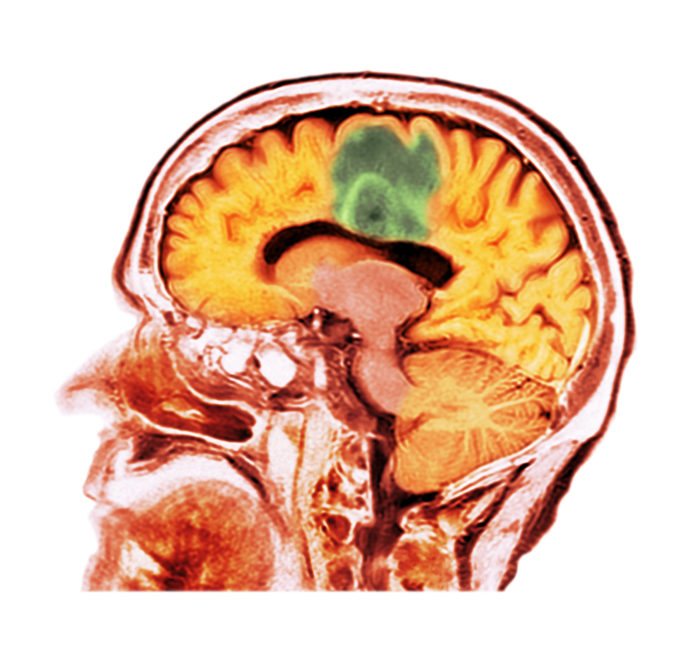
    Glioblastoma brain cancer, CT scan
    Share
    Facebook Twitter LinkedIn Pinterest Email

    Source: Dr. P. Marazzi/Science Photo Library / Getty Images

    It is well established that glioblastomas are one of the deadliest brain cancers with a median survival rate of about 15 months, according to one estimate. Now new research led by scientists at the University of Sydney could help explain why glioblastomas recur after treatment. Details of the work are reported in a new Nature Communications paper titled “Histone methyltransferase PRDM9 promotes survival of drug-tolerant persister cells in glioblastoma.”

    The study showed that a small population of drug-tolerant cells, dubbed persister cells, rewire their metabolism to survive chemotherapy with the help of a fertility gene called PRDM9. “By uncovering how these cancer cells recruit a fertility gene to survive treatment, we’ve opened the door to new approaches that we hope could lead to safer, more effective therapies,” said Lenka Munoz, PhD, lead author on the study and head of cancer research at University of Sydney’s school of medical sciences.

    Glioblastomas account for about half of all brain tumors and an estimated 200,000 deaths globally. Tumor recurrence is almost universal even after treatment with surgery, radiation, and chemotherapy. According to the current study, during chemotherapy, persister cells in glioblastoma hijack PRDM9, a gene that is typically active in reproductive cells at the very start of egg and sperm formation, to generate cholesterol which helps them withstand the damage. 

    Using models of glioblastoma, the scientists found that blocking PRDM9 or cutting off the cholesterol supply successfully wiped out persister cells. Furthermore, when combined with  chemotherapy, the treatment approach dramatically improved survival in mice. 

    “PRDM9 isn’t active in most normal tissues, which makes it an incredibly selective and promising target for cancer therapy,” said George Joun, PhD, first author on the paper and a research fellow in the school of medical sciences. “If we can eliminate the last cancer cells standing, we can stop glioblastoma from returning.”

    To that end, the scientists have developed a brain-penetrant chemotherapy drug, dubbed WJA88, and paired it with a cholesterol-lowering agent previously tested in humans. The data showed that this combination shrank tumors and extended survival in preclinical models with minimal side effects. As part of their next steps, the scientists are working with Australian biotech company Syntara to develop PRDM9 inhibitors for further testing in animal models, with an eye towards conducting human studies in a few years.

    Beyond glioblastoma, Munoz, Joun, and their colleagues believe that other hard to treat cancers may also survive chemotherapy as a result of persister cells. They plan to test this hypothesis in models of ovarian cancer next. 

    “Cancer relapse is one of the biggest challenges in oncology. Our research shows that by directly targeting persister cells, relapse may be preventable in preclinical models,” said Munoz. The findings in this study suggest that scientists should “look beyond the bulk of the tumor and study rare persister cells that drive recurrence, as well as what happens after treatment ends rather than only during drug exposure.” 

    Cells Chemotherapy FertilityLinked Gene Glioblastoma Helps Resist
    Share. Facebook Twitter Pinterest LinkedIn Tumblr WhatsApp Email
    Previous ArticleEndometrial Organoids Open a Window into the Womb
    Next Article Guide for Health, Immunity, and Wellness
    admin
    • Website

    Related Posts

    A Video Report from AGBT

    February 27, 2026

    Novo Nordisk, Vivtex Ink Up to $2.1B Deal to Develop Oral Biologics for Metabolic Conditions

    February 27, 2026

    Increasing Rice Yields with Gene-Informed Selective Breeding

    February 27, 2026

    Mutant p53 Selective Reactivation Demonstrated in Advanced Solid Tumors

    February 27, 2026
    Leave A Reply Cancel Reply

    Our Picks

    9 Time-Saving Kitchen Gadgets for Fall at Amazon

    September 5, 2025

    Why Exercise Is So Important For Heart Health, From An MD

    September 5, 2025

    An Engineered Protein Helps Phagocytes Gobble Up Diseased Cells

    September 5, 2025

    How To Get Rid Of Hangnails + Causes From Experts

    September 5, 2025
    • Facebook
    • Twitter
    • Pinterest
    • Instagram
    • YouTube
    • Vimeo
    Don't Miss
    Longevity

    Nautilus debuts Voyager platform in push toward next-gen proteomics

    By adminMarch 1, 20260

    Company’s new benchtop system promises a clearer view of proteins following validation at a leading…

    First-in-Human Success for Prenatal Stem Cell Therapy in Spina Bifida

    February 28, 2026

    Pressure-Driven Pathway Links Liver Congestion to Fibrosis and Cancer

    February 28, 2026

    A cellular atlas of aging comes into focus

    February 28, 2026

    Subscribe to Updates

    Get the latest creative news from SmartMag about art & design.

    About Us

    At FineGut, our mission is simple: to enhance your self-awareness when it comes to your gut health. We believe that a healthy gut is the foundation of overall well-being, and understanding the brain–gut connection can truly transform the way you live.

    Our Picks

    9 Time-Saving Kitchen Gadgets for Fall at Amazon

    September 5, 2025

    Why Exercise Is So Important For Heart Health, From An MD

    September 5, 2025

    An Engineered Protein Helps Phagocytes Gobble Up Diseased Cells

    September 5, 2025
    Gut Health

    Nautilus debuts Voyager platform in push toward next-gen proteomics

    March 1, 2026

    First-in-Human Success for Prenatal Stem Cell Therapy in Spina Bifida

    February 28, 2026

    Pressure-Driven Pathway Links Liver Congestion to Fibrosis and Cancer

    February 28, 2026
    X (Twitter) YouTube
    • Contact us
    • Privacy Policy
    • Disclaimer
    • Terms and Conditions
    © 2026 finegut.com. Designed by Pro.

    Type above and press Enter to search. Press Esc to cancel.