

The educational content in this post, elaborated in collaboration with Danone Research & Innovation, was independently developed and approved by the GMFH publishing team and editorial board.
Recent estimates suggest that, over the next three decades, the global population aged 65 and over is set to more than double, reaching 1.5 billion individuals. Evidence has been accumulating that the gut microbiome changes with age, with a decline in diversity linked to frailty in later life. But we still do not know much about why some people achieve extreme longevity.
In a recent study, an international team of scientists led by the Cancer Epigenetics group at the Josep Carreras Leukaemia Research Institute in Barcelona identified clues to living longer and healthier lives in Maria Branyas Morera, who was the world’s oldest person before she died last year at the age of 117.
Branyas was born in San Francisco in 1907, then moved to Catalonia in 1915, and recovered from the Covid pandemic at the age of 113. One year before she died, Branyas was living in the small town of Olot, in the Catalonia region of Spain, and invited researchers to conduct a deep study into her unique genetics, metabolism, and gut microbiome to understand why she did stayed healthy as she aged.
Scientists conducted the deepest analysis yet by collecting saliva, blood, urine, and stool samples using a multi-omics approach. This advanced technology helps explore in detail a person’s cells and molecules. Then they compared Branyas’ genes, blood profiles, and gut microbiome with those of other women living in the same region. This allows to distinguish changes due to ageing from those due to poor health.
They found that, while her body showed signs of aging, a number of biological factors protected her from the diseases that typically affect the elderly. Scientists identified that the protective caps on the ends of her chromosomes (called telomeres) were exceptionally short, which may have protected her from cancer by limiting the number of times cells could divide.
In addition, her DNA analysis revealed gene variants that protected her from cardiovascular disease and dementia. Branyas also had high levels of ‘good’ cholesterol and low levels of ‘bad’ cholesterol and body inflammation, which might have reduced her risk of chronic diseases, including diabetes, obesity, and heart attack. When looking at genes that were switched on and off, the researchers found Branyas had a biological age younger than her chronological age.
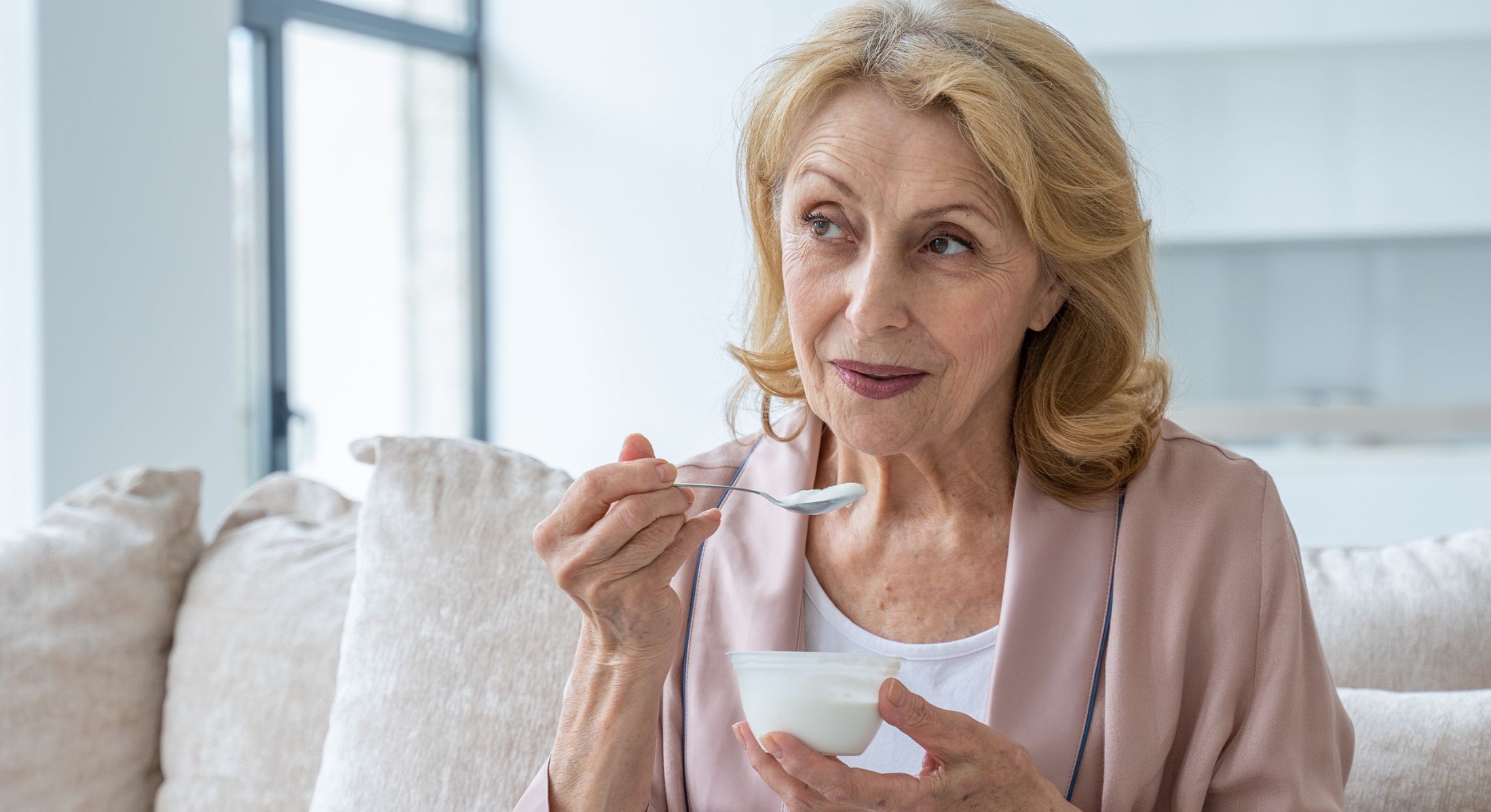
The researchers thought that Branyas’ lack of inflammation could be explained by her younger gut microbiome. She had a gut microbiome with unusually high levels of Bifidobacterium. It is a health-promoting bacterium that decreases as we age, helps us fight inflammation, protects the gut barrier, and breaks down dietary fiber to produce short-chain fatty acids. These effects help maintain immune and metabolic health and lower gut pH, keeping pathogens at bay. The fact that she ate three yoghurts a day for the last couple of decades of her life can help explain her high levels of Bifidobacterium. This could contribute to a healthy extended lifespan, as the researchers discussed.
While Branyas’ parents gave her a good genetic makeup, she did many things right that could help explain her long life. She was not overweight, ate a Mediterranean diet that is heavily plant-based and provides the right nutrients (prebiotic fibers and polyphenols) for nourishing gut microorganisms, did not smoke or drink, exercised regularly, read books, and had a good social life with friends and family.
Scientists have come to understand how the gut microbiome interacts with the brain, immune system, cardiovascular system, and digestive tract to ameliorate changes linked to ageing and achieve extraordinary longevity. For instance, previous findings showed that semi-supercentenarians (i.e., people who reach 105-109 years old) exhibited enrichment in health-associated gut bacteria, such as Akkermansia, Bifidobacterium, and Christensenellaceae, which might be involved in extreme ageing.
Overall, these findings show that being old does not mean being sick. While we cannot choose our parents, and there is no single ingredient for exceptional longevity, this study reveals plenty of things we can do to age better, and our lifestyle and diet are central to the fountain of youth. While the conclusions are based on a single person, given that people who live beyond 110 years are uncommon, these findings offer valuable insights into both genetic and lifestyle factors associated with a long life.
References:
Santos-Pujol E, Noguera-Castells A, Casado-Pelaez M, et al. The multiomics blueprint of the individual with the most extreme lifespan. Cell Rep Med. 2025; 6(10):102368. doi: 10.1016/j.xcrm.2025.102368.
Kadyan S, Park G, Singh TP, et al. Microbiome-based therapeutics towards healthier aging and longevity. Genome Med. 2025; 17(1):75. doi: 10.1186/s13073-025-01493-x.
