
Close Menu
My Blog

    Subscribe to Updates

    Get the latest creative news from FooBar about art, design and business.

    What's Hot

    Nautilus debuts Voyager platform in push toward next-gen proteomics

    March 1, 2026

    First-in-Human Success for Prenatal Stem Cell Therapy in Spina Bifida

    February 28, 2026

    Pressure-Driven Pathway Links Liver Congestion to Fibrosis and Cancer

    February 28, 2026
    Facebook X (Twitter) Instagram
    X (Twitter) YouTube
    My BlogMy Blog
    Sunday, March 1
    • Home
    • About Us
    • Healthy Living
    • DNA & Genetics
    • Podcast
    • Shop
    My Blog
    Home»DNA & Genetics»Adult Neuroplasticity Restored by Astrocyte Protein CCN1 in Mouse Model
    DNA & Genetics

    Adult Neuroplasticity Restored by Astrocyte Protein CCN1 in Mouse Model

    adminBy adminDecember 18, 2025No Comments3 Mins Read
    Facebook Twitter Pinterest LinkedIn Tumblr WhatsApp VKontakte Email
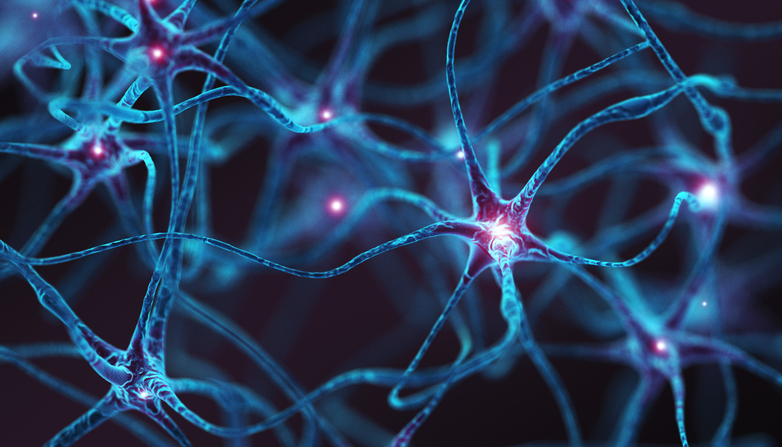
    Neurons
    Share
    Facebook Twitter LinkedIn Pinterest Email

    Neural circuits are refined by experience with higher plasticity at younger ages. Non-neuronal brain cells, known as astrocytes, were previously seen as passive support cells, but recent research has shown that they play an important role in shaping brain circuitry. How astrocytes in the brain maintain these differing plasticity levels with age, and whether they stabilize the properties of sensory circuits in adulthood, has remained unclear. 

    In a new study published in Nature titled, “Astrocyte CCN1 stabilizes neural circuits in the adult brain,” researchers from the Salk Institute have identified the astrocyte secreted protein, CCN1, as key for stabilizing brain circuits in adulthood, offering a new therapeutic target for neurological diseases, such as Alzheimer’s disease, depression, or post-traumatic stress disorder (PTSD). 

    “This study establishes the crucial role of astrocytes in actively stabilizing the connectivity of neuronal circuits,” said corresponding author Nicola Allen, PhD, professor and co-director of the NOMIS Foundation-funded Neuroimmunology Initiative at Salk. “Our findings demonstrate how the stability of sensory circuits is actively maintained in the adult brain. The discovery of CCN1 as a critical regulator of neuroplasticity could now inform the development of new therapeutics for brain injury and stroke, which has already been associated with CCN1 upregulation.” 

    Mammalian sensory circuits typically have higher plasticity at younger ages, a period of circuit refinement, and increased stability and reduced plasticity in adulthood. While stability in adulthood is necessary to maintain functional neuronal connectivity, the window for circuit plasticity can be re-opened by digesting the extracellular matrix with enzymes or by transplanting juvenile inhibitory neurons or astrocytes. 

    To determine the role of astrocytes in plasticity and circuit stability, the authors focused on the mouse visual cortex. Combining a transcriptomic approach with ex vivo electrophysiology and in vivo imaging, results showed that increase in CCN1 expression led to higher cellular maturation in both inhibitory neurons and oligodendrocytes, which dampened the circuits’ neuroplasticity. Conversely, knocking out astrocyte CCN1 in adults destabilized binocular circuits and reduced myelination.

    Manipulating CCN1 levels could allow control of plasticity to recover or rebuild lost circuits after injury or trauma. To support this goal, CCN1 is known to bind to many extracellular components of many cell types, including excitatory and inhibitory neurons, oligodendrocytes, and microglia. By binding to important integrin proteins on the cell surface, CCN1 can coordinate the maturation of multiple cell types to reduce the plasticity of the adult brain. 

    “Maintaining stable circuits is important for proper brain function, but the consequence is that neural plasticity and remodeling are repressed in the adult brain,” said first author Laura Sancho, PhD, a postdoctoral researcher in Allen’s lab. “We wanted to find out if and how astrocytes participate in this critical maintenance, and we found they are in fact essential.” 

    Adult Astrocyte CCN1 model Mouse Neuroplasticity Protein Restored
    Share. Facebook Twitter Pinterest LinkedIn Tumblr WhatsApp Email
    Previous ArticleThe Illumina-Myome Partnership That Could Save $200 Billion in U.S. Healthcare
    Next Article Brain Care Score Shows Greater Stroke Prevention Benefits in Black Adults
    admin
    • Website

    Related Posts

    A Video Report from AGBT

    February 27, 2026

    Novo Nordisk, Vivtex Ink Up to $2.1B Deal to Develop Oral Biologics for Metabolic Conditions

    February 27, 2026

    Increasing Rice Yields with Gene-Informed Selective Breeding

    February 27, 2026

    Mutant p53 Selective Reactivation Demonstrated in Advanced Solid Tumors

    February 27, 2026
    Leave A Reply Cancel Reply

    Our Picks

    9 Time-Saving Kitchen Gadgets for Fall at Amazon

    September 5, 2025

    Why Exercise Is So Important For Heart Health, From An MD

    September 5, 2025

    An Engineered Protein Helps Phagocytes Gobble Up Diseased Cells

    September 5, 2025

    How To Get Rid Of Hangnails + Causes From Experts

    September 5, 2025
    • Facebook
    • Twitter
    • Pinterest
    • Instagram
    • YouTube
    • Vimeo
    Don't Miss
    Longevity

    Nautilus debuts Voyager platform in push toward next-gen proteomics

    By adminMarch 1, 20260

    Company’s new benchtop system promises a clearer view of proteins following validation at a leading…

    First-in-Human Success for Prenatal Stem Cell Therapy in Spina Bifida

    February 28, 2026

    Pressure-Driven Pathway Links Liver Congestion to Fibrosis and Cancer

    February 28, 2026

    A cellular atlas of aging comes into focus

    February 28, 2026

    Subscribe to Updates

    Get the latest creative news from SmartMag about art & design.

    About Us

    At FineGut, our mission is simple: to enhance your self-awareness when it comes to your gut health. We believe that a healthy gut is the foundation of overall well-being, and understanding the brain–gut connection can truly transform the way you live.

    Our Picks

    9 Time-Saving Kitchen Gadgets for Fall at Amazon

    September 5, 2025

    Why Exercise Is So Important For Heart Health, From An MD

    September 5, 2025

    An Engineered Protein Helps Phagocytes Gobble Up Diseased Cells

    September 5, 2025
    Gut Health

    Nautilus debuts Voyager platform in push toward next-gen proteomics

    March 1, 2026

    First-in-Human Success for Prenatal Stem Cell Therapy in Spina Bifida

    February 28, 2026

    Pressure-Driven Pathway Links Liver Congestion to Fibrosis and Cancer

    February 28, 2026
    X (Twitter) YouTube
    • Contact us
    • Privacy Policy
    • Disclaimer
    • Terms and Conditions
    © 2026 finegut.com. Designed by Pro.

    Type above and press Enter to search. Press Esc to cancel.