

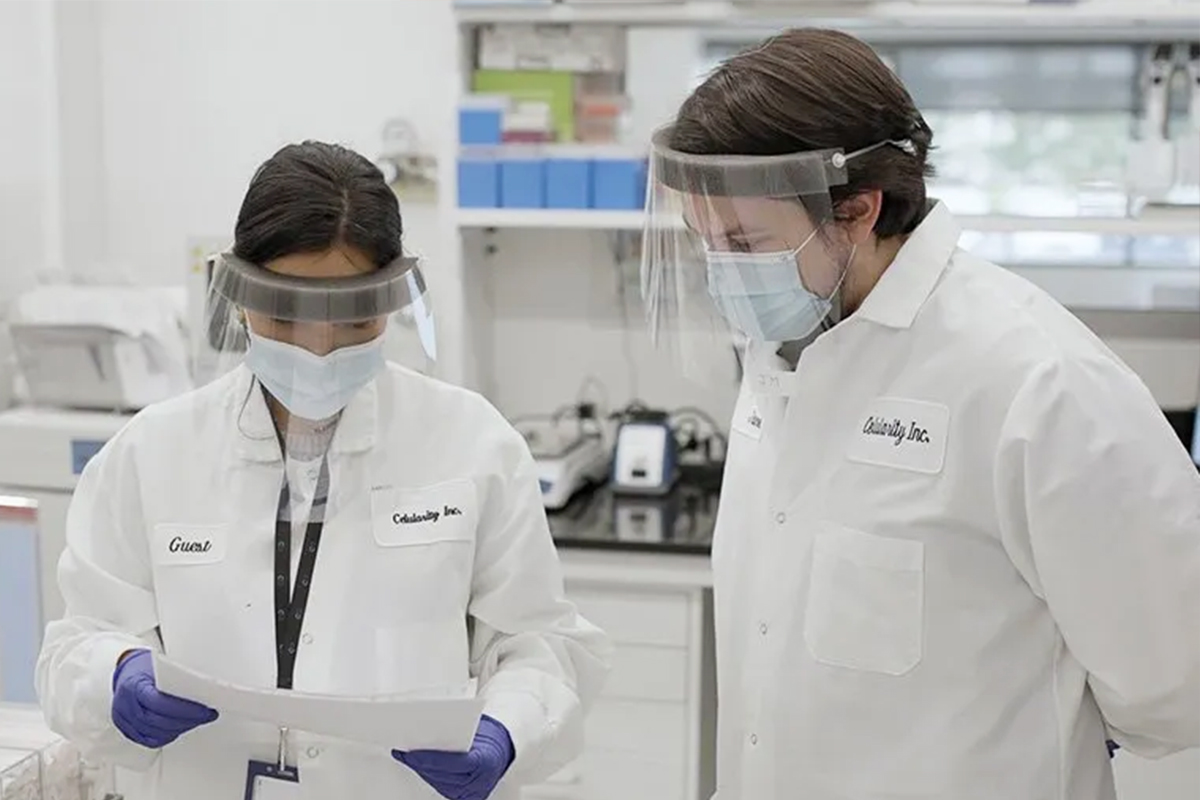
Regenerative medicine firm says new capital gives it breathing room to sharpen its placenta-derived tech aimed at aging and chronic disease.
Celularity Inc, a regenerative medicine company working at the intersection of biotechnology and aging science, has secured up to $12 million in new financing as it looks to steady its footing and refocus its long-term strategy.
The funding comes at a challenging time for the company. Celularity’s shares have fallen sharply over the past year, and its market value has shrunk to under $40 million.
Like many early-stage biotech firms, it has been balancing ambitious scientific goals with mounting financial pressure. This new capital, the company says, is meant to buy time, clarity and momentum.
Rather than expanding in multiple directions, Celularity plans to use the financing to double down on what it sees as its core strength: therapeutic technologies derived from the human placenta, with potential applications in aging-related conditions and hard-to-treat diseases.
The financing agreement is backed by Philip A Barach, co-founder and former president of American investment management firm DoubleLine Capital LP.
While the deal’s structure includes loans and the option to convert some of that investment into company shares later, the broader takeaway is simpler: Celularity has secured near-term support from a long-term investor who believes the company still has room to evolve.
“This financing, when completed, is expected to provide flexibility to further evolve our mission, sharpening our focus on advancing our core placental-derived technologies,” said Robert J Hariri, Chairman and CEO of Celularity.
For a company under financial strain, flexibility can be as important as the dollar amount itself. Celularity expects to receive $10 million initially, with the possibility of an additional $2 million if certain conditions are met. That cash infusion is intended to support ongoing operations while leadership reassesses priorities and streamlines efforts.
Barach described his investment as a signal of patience rather than a quick turnaround play.
“My investment reflects a long-term commitment to providing financial support and constructive perspective as Celularity works through necessary changes and positions itself for a more disciplined and focused future,” he said.
That framing matters. Celularity is not presenting this funding as a sudden breakthrough or a cure-all for its financial challenges. Instead, it is positioning the deal as a stabilizing step, one that allows the company to make more deliberate decisions about where to place its scientific bets.
Celularity’s work centers on postpartum placenta-derived cells, which the company believes hold promise for addressing mechanisms linked to aging, tissue repair and immune response [1]. Unlike embryonic stem cells, placental cells can be collected ethically after birth, making them an attractive source for regenerative therapies.
One of the company’s most advanced programs, PDA-002, targets diabetic foot ulcers, a serious and often life-altering complication of diabetes that disproportionately affects older adults [2].
In a recent Phase 2 clinical trial involving 159 patients across 35 sites in the US, the lowest dose of PDA-002 led to complete wound closure in 38.5% of patients, compared to 22.6% in the placebo group.
While diabetic foot ulcers are not typically framed as a longevity intervention, they sit squarely within the broader goal of extending healthspan, keeping people functional, mobile and free from chronic wounds as they age.
For investors and observers in the longevity space, Celularity’s financing highlights a familiar tension. Scientific promise does not always move in step with market performance, especially in capital-intensive fields like regenerative medicine. This latest funding round does not erase Celularity’s financial risks, but it does suggest that at least some experienced backers see unfinished potential in the company’s platform.
The financing gives Celularity room to regroup. It may enable the company to prioritize fewer programs, advance its most promising clinical assets, and articulate a more straightforward narrative about how its technologies fit into the evolving longevity ecosystem.
For now, the message from Celularity is one of focus rather than expansion, a recalibration aimed at survival, discipline and long-term relevance in a crowded and demanding field.
[1] https://celularity.com/placenta/
[2] https://celularity.com/celularity-announces-peer-reviewed-publication-of-phase-2-clinical-trial-results-demonstrating-the-safety-and-efficacy-of-human-placenta-derived-cells-pda-002-for-diabetic-foot-ulcers-complicated-by/
