

Urolithin A may support healthier immune aging. New data shows promise, and surprisingly, some people can produce it from food.
Longevity advice trends fast, but one molecule has been quietly building a fan base among researchers. Urolithin A, a compound produced in the gut when certain plant compounds are broken down, is now at the center of a new Nature study suggesting it could nudge the aging immune system in a healthier direction.
The excitement is tempered with scientific caution and a reminder that lifestyle basics still carry the most weight. But the findings – plus the fact that some people can make urolithin A naturally from food – have pushed the molecule squarely into the spotlight.
Inside the new urolithin A trial
The study, funded by the biotech company that makes the postbiotic supplement Mitopure, enrolled 50 healthy, middle-aged adults. Participants took either 1,000 mg of urolithin A or a placebo daily for four weeks.
After 28 days, the urolithin A group showed measurable changes in biomarkers tied to age-related immune decline and inflammaging, the chronic, low-grade inflammation that accompanies aging.
“Urolithin A leads to better cell function, but it also has a positive impact on muscle,” said study co-author, Dr Florian Greten, director of the Georg-Speyer-Haus Institut für Tumorbiologie.
He notes that seeing these improvements within a month was “exciting”, adding: “We don’t know yet if you can take a lower amount and get a similar impact, but we are studying that.”
Beyond the primary findings, researchers observed increases in naive-like CD8+ T cells and enhanced fatty acid oxidation capacity – signs of a more adaptable, energy-efficient immune system. These shifts were supported by mitochondrial changes and improved immune cell responses under stress.
The results hint at a compound capable of modulating immune function at multiple levels, though the small study size means broader confirmations are still needed.
What exactly is urolithin A?
Urolithin A doesn’t come directly from food. Instead, it is produced in the gut from ellagic acid and ellagitannins, compounds found in certain fruits and nuts. But there’s a catch: only an estimated 40% of people have the right gut bacteria to produce meaningful amounts.
“We found that only about 40 percent of people have the right gut microbiome for this,” Greten explains.
Without those specific bacteria, your body simply can’t make urolithin A efficiently, no matter how many berries you eat. And at the moment, there’s no commercially available test to tell whether you’re a producer.
Supplements, however, bypass the conversion step entirely.
“Early research indicates urolithin A may support healthy aging by enhancing how your cells produce and recycle energy,” said nutrition expert Keri Gans, RDN, author of The Small Change Diet.
Some small human studies also suggest potential benefits for muscle endurance and immune function, though Gans stresses that the evidence remains preliminary.
You can get it from food – if your gut cooperates
While supplements dominate the research, urolithin A still begins with food.
“It’s not found in large amounts in food, but your body creates it after you eat foods that are rich in these precursor compounds,” said registered dietitian Jessica Cording, RD, CDN, author of The Little Book of Game-Changers. That means certain foods can help spur production, if your microbiome can actually perform the conversion.
The top sources include:
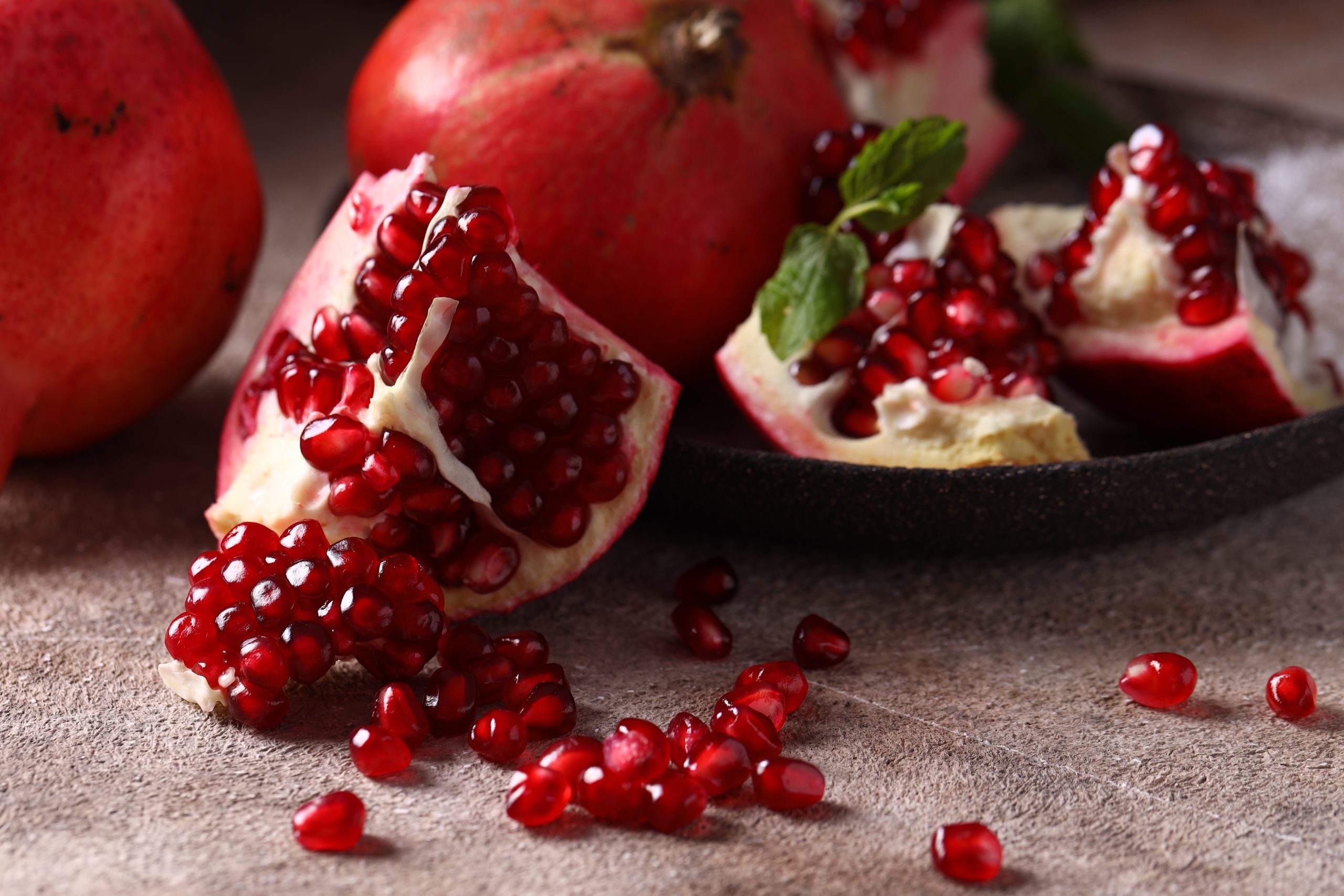
- Pomegranate
- Walnuts
- Raspberries
- Blackberries
Eating these regularly may help, but the output varies dramatically. Even in people with the “right” bacteria, the amount generated is often small.
Greten points out that you’d need to drink roughly 1.5 liters of pomegranate juice per day to match the dose used in the clinical trial, an amount few people would find practical.
Where experts land on longevity takeaways
The interest in urolithin A reflects a broader search for interventions that support mitochondrial and immune resilience. But experts agree that, for now, it’s not a magic bullet. More rigorous, longer-term studies are needed to understand dosing, durability and who benefits most.
In the meantime, Cording says the fundamentals remain the strongest longevity levers.
“Don’t overlook lifestyle approaches to supporting healthy mitochondrial function, such as eating a well-balanced diet rich in polyphenols, exercising, prioritising restful sleep, and managing stress,” she said.
And while pomegranates alone won’t transform your immune age, a varied diet rich in plant compounds still plays a meaningful role in overall health. As we previously noted, simply loading up your cart with ellagitannin-rich foods won’t guarantee a urolithin A boost; your gut has to be capable of making it, and not everyone is.
Still, with early evidence pointing to potential immune and mitochondrial gains, it’s clear why scientists are paying attention. Urolithin A may not be mainstream yet, but it’s shaping up to be one of longevity science’s most intriguing leads.
