

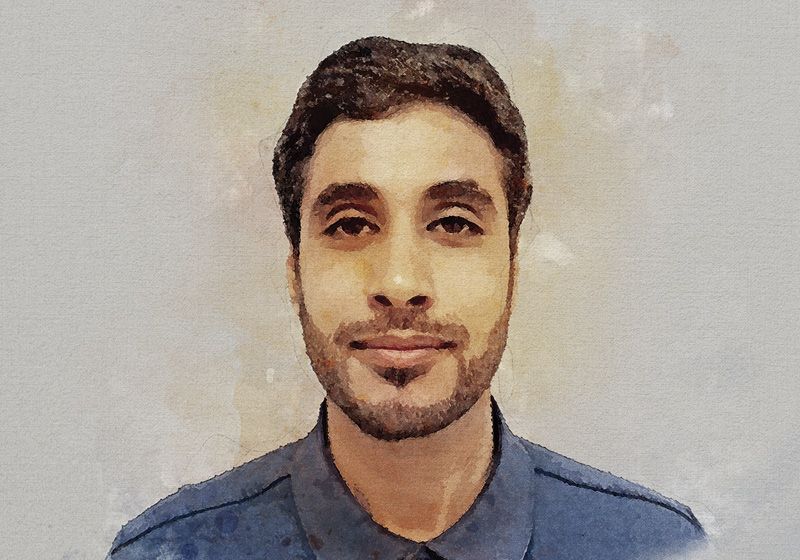
This postdoc investigates the role of neurochemical signaling in the aging brain, aiming to uncover new ways to treat neurodegenerative conditions.
Q | Write a brief introduction to yourself including the lab you work in and your research background.
My name is Yousef Aljohani. I am a postdoctoral researcher specializing in aging neuropharmacology, with a PhD from Georgetown University on NMDA-mediated norepinephrine regulation in the aging brain. Recently, in the Andersen Lab at the Buck Institute, I have focused on neurodegenerative disease mechanisms and cell-based therapeutic strategies, integrating pharmacology with synthetic receptor engineering.
Q | How did you first get interested in science and/or your field of research?
During my early academic training, exposure to neuroscience research—particularly neuropharmacology—sparked a passion for exploring how chemical signaling changes with aging, ultimately leading me toward experimental and translational brain research.
Q | Tell us about your favorite research project you’re working on.
One of my favorite projects investigated how aging impairs NMDA-mediated norepinephrine release in the brain and whether this could be restored pharmacologically. Using behavioral assays, electrophysiology, and neurochemical analyses, we demonstrated that amphetamine treatment rescued neurotransmitter release, improved memory, and enhanced dendritic spine density—linking synaptic changes directly to cognitive recovery in aged animals.
Q | What has been the most exciting part of your scientific career/journey so far?
What excites me most about my scientific journey is uncovering mechanisms of brain aging that are both fundamental and translational. From identifying selective vulnerabilities in neurotransmitter regulation to developing strategies that restore cognitive function, each step has deepened my passion for bridging basic neuroscience with therapies that could meaningfully improve human health.
Q | If you could be a laboratory instrument, which one would you be and why?
I’d be a microelectrode array—precise, versatile, and always tuned in to detect even the smallest signals. Just like in my research, I’d capture complex patterns, translate them into meaningful data, and help connect the dots between cellular activity and the bigger picture of brain function.
Are you a researcher who would like to be featured in the “Postdoc Portraits” series? Send in your application here.
