

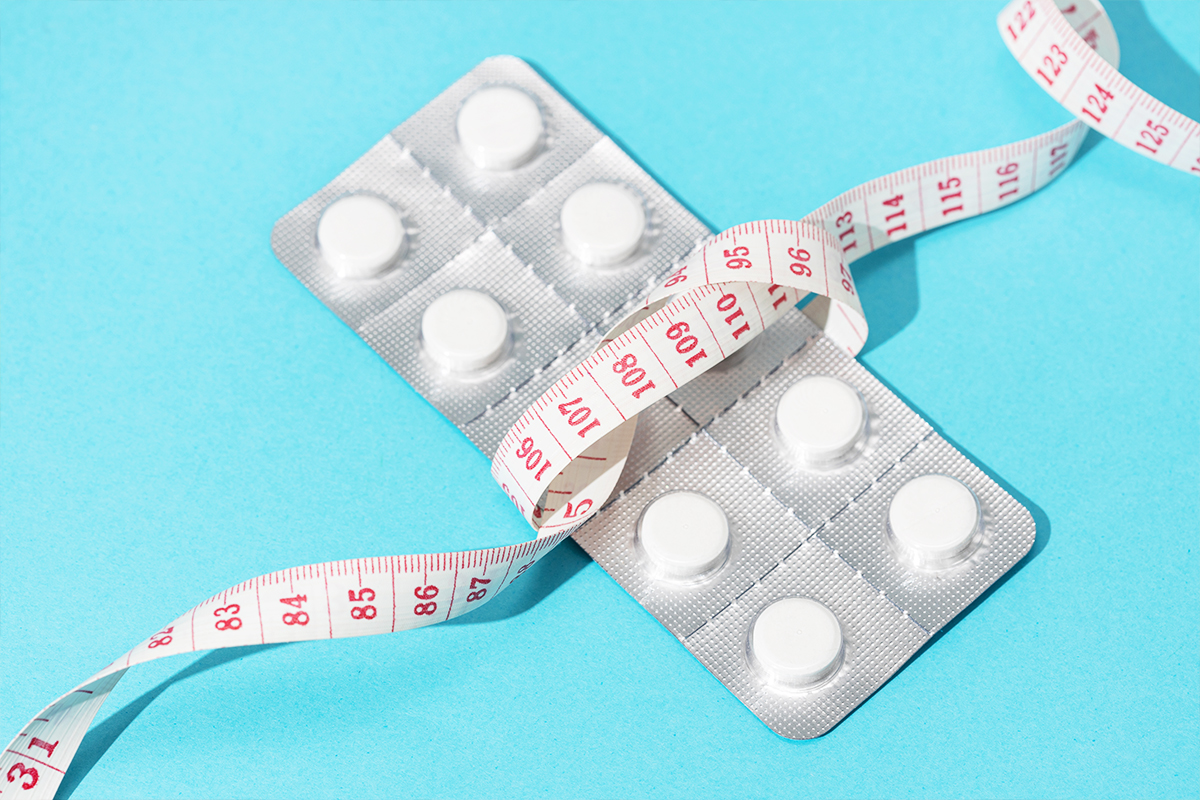
2026 could redefine obesity treatment, as pills, pricing shifts and more powerful injections reshape a scarce and expensive market.
Huge demand. Limited supply. Eye-watering prices. This is how the GLP-1 weight loss market looked in the past few years. For many patients, the promise of medical weight loss was visible everywhere, except in their own pharmacy.
Now, the tension is easing. By 2026, the weight loss drug market is expected to look less like a bottleneck, shaped by new formats, falling prices and an expanding web of partnerships between drugmakers, retailers and telehealth providers.
“The GLP-1 landscape is expected to broaden significantly. For the first time, medical obesity treatment will move away from a one-size-fits-all model,” said Dr Christopher McGowan, a gastroenterologist who runs a weight loss clinic in Cary, North Carolina [1].
For investors, this is an important signal that growth is no longer driven only by breakthrough science, but by delivery, access and patient fit.
The arrival of GLP-1 pills may be the most meaningful change for everyday users and one of the most commercially disruptive.
Novo Nordisk has secured FDA approval for the first GLP-1 pill for weight loss, marketed as an oral version of Wegovy, with broad availability expected soon. Eli Lilly is expected to follow with its own pill later this year.
Dr Shauna Levy, medical director of the Tulane Weight Loss Center, sees the pills as a practical unlock.
“They will be a great option for patients who prefer oral medications or who have struggled to access the injectable versions,” she said.
Cost is a major part of the story. Novo Nordisk has said its lowest-dose pills will cost $149 a month for people paying cash, compared with $349 for the lowest-dose injection. Higher doses will cost $299, while insured patients could pay as little as $25 out of pocket.
That pricing could expand demand, but it also reframes expectations. Dr Daniela Hurtado Andrade, an endocrinologist at the Mayo Clinic in Jacksonville, Florida, cautioned that the most dramatic weight loss seen in trials came from higher doses.
“Even $149 a month for some is still too expensive. They may have expectations that are not real,” she said.
There is also the question of adherence. Novo Nordisk’s pill must be taken every morning on an empty stomach. In trials, people who followed the schedule closely lost an average of 16.6% of their body weight; those who did not lost closer to 13.6%.
“I am curious to see how they perform in real life,” Levy said.
While pills broaden the base of users, Eli Lilly is testing the upper limits of what these drugs can do.
Its experimental injection, retatrutide, targets three metabolic hormones rather than two. In a late-stage clinical trial, patients on the highest dose lost nearly 29% of their body weight after about 16 months, more than any GLP-1 drug currently on the market.
“These are numbers we simply didn’t think were possible just a few years ago,” McGowan said.
But the data also highlight a tradeoff. Lilly reported higher rates of gastrointestinal side effects and an 18.2% dropout rate among patients receiving the drug.
“More is not always better. In real-world practice, those discontinuation rates may be even higher,” McGowan said.
Andrade said retatrutide could still be valuable for people with severe obesity who have not responded to existing treatments, though she wants to see more clarity on long-term tolerability. Lilly expects to complete additional trials in 2026 and could seek FDA approval as early as this year.
Beyond science, the most consequential changes may come from how these drugs are sold.
Cash-pay programs from Novo Nordisk and Lilly have already reshaped access for people without insurance coverage. Retailers have followed, with Costco and Walmart now offering GLP-1 drugs at set monthly prices for cash-paying customers, effectively turning weight-loss medication into a retail health product.
In 2026, the Trump administration plans to launch TrumpRx.gov, a self-pay platform designed to connect patients directly to drugmakers’ discount programs. President Donald Trump said monthly costs for injections could fall to around $250 over the next two years, with pills starting at $149.
Dr Susan Spratt, professor of medicine at Duke University School of Medicine, said these partnerships will “only improve access,” but warned that affordability remains uneven as “they are still quite expensive.”
Levy added that many of these programs rely on telehealth prescribing, which raises questions about continuity of care.
“I think there is potential for increased access, but I really want to make sure patients are treated and are followed by providers who really know what they are doing with anti-obesity medications,” she said.
By 2026, the weight loss drug market will be about segmentation: pills versus injections, affordability versus efficacy, convenience versus oversight.
For investors, the next phase of growth will likely reward companies that understand not just how much weight a drug can help someone lose, but how people actually live with these medications over years, not months.
The era of scarcity in weight loss drugs is ending. What replaces it will be more complex and potentially much bigger.
