

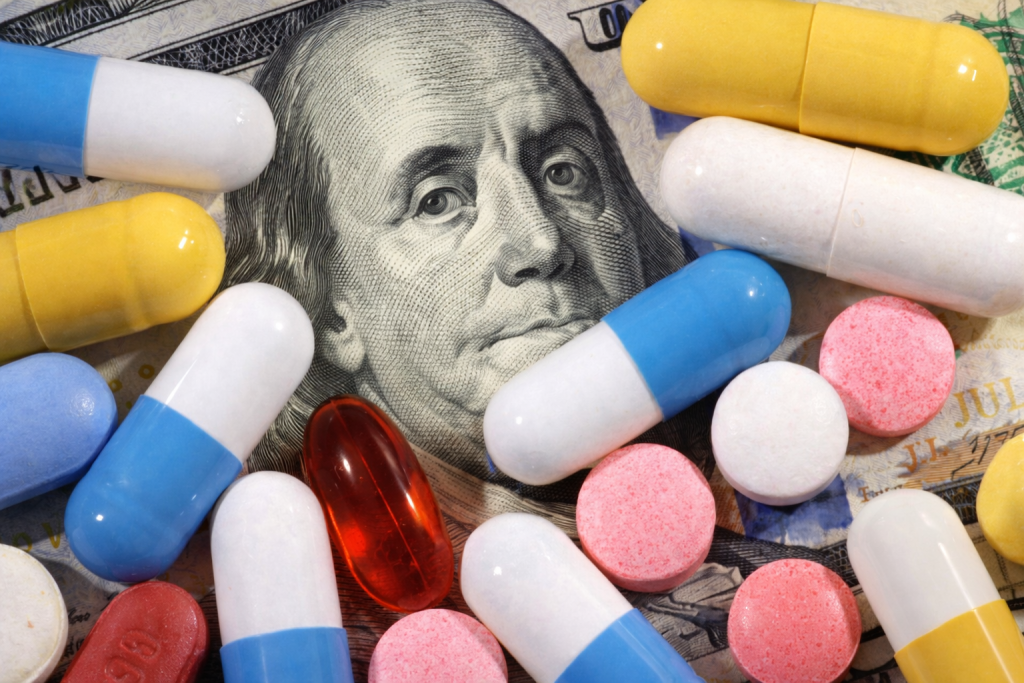
Despite new White House deals and public pressure, pharma companies plan price rises across vaccines, cancer drugs and everyday treatments.
As American consumers ring in 2026, hundreds of prescription medicines will become more expensive.
According to data shared by healthcare research firm 3 Axis Advisors, drugmakers are planning price increases on at least 350 branded medicines in the US, even as President Donald Trump intensifies pressure on the industry to rein in costs.
The list spans big-name vaccines for COVID, RSV and shingles, as well as blockbuster cancer therapies like Pfizer’s Ibrance. For patiennts already struggling with some of the highest drug prices in the world, the timing is hard to ignore.
For an aging America, the stakes go beyond politics. Vaccines, cardiometabolic therapies and oncology drugs sit at the center of healthspan – extending years lived in good health – and rising list prices risk widening the gap between those who can afford prevention and those who cannot.
The number of planned increases for 2026 is notably higher than last year. At the same point in 2025, companies had announced hikes on just over 250 drugs. This time, the tally has jumped by about 40%.
The typical increase is modest on paper: a median of roughly 4%, similar to this year. But these figures reflect list prices only. They do not account for confidential rebates negotiated with insurers or pharmacy benefit managers, which means the sticker price many patients see at the pharmacy counter still matters.
For people paying out of pocket or those with high deductibles, even “small” increases can quickly add up.
There are exceptions – and they are instructive. Drugmakers are also cutting list prices on a small number of medicines – around nine so far.
The most striking exception is Jardiance, a once-daily tablet used for type 2 diabetes that has increasingly been positioned as a cardiorenal protective therapy – helping reduce the downstream burden of heart failure and kidney disease. Its list price is set to drop by more than 40%, alongside three related treatments.
Jardiance is one of 10 drugs whose prices were negotiated down by the US government for Medicare patients aged 65 and older, with a two-thirds reduction agreed for 2026 – an early experiment in whether prevention-oriented medicines can be made more affordable at scale. Yet the contrast is hard to miss: deep reductions for a handful of high-profile drugs sit alongside hundreds of price rises across the wider market.
Neither Boehringer Ingelheim nor Eli Lilly commented on the timing of these cuts.
US patients already pay nearly three times as much for prescription medicines as those in other developed countries. Trump has repeatedly pointed to this gap, urging companies to align US prices with those charged abroad.
The Trump administration has struck pricing deals with 14 drugmakers so far, covering Medicaid recipients, select cash-pay programs and future drug launches. Companies including Pfizer, Sanofi, Novartis, GSK and Boehringer Ingelheim are part of these agreements, yet all are also planning price hikes starting the new year.
“These deals are being announced as transformative when, in fact, they really just nibble around the margins in terms of what is really driving high prices for prescription drugs in the US,” said Dr Benjamin Rome, a health policy researcher at Brigham and Women’s Hospital in Boston [1].
Rome added that drugmakers appear to be maximizing list prices while quietly negotiating discounts behind the scenes, effectively maintaining multiple prices for the same medicine depending on who is paying.
Pfizer is planning the largest number of hikes, raising list prices on around 80 medicines. These include cancer drug Ibrance, migraine treatment Nurtec and COVID therapy Paxlovid, as well as hospital-administered drugs like morphine and hydromorphone.
Most of Pfizer’s increases fall below 10%, though its COVID vaccine Comirnaty is slated for a 15% hike. Some lower-cost hospital drugs will see prices rise several-fold.
Pfizer defended the moves, saying its average list price increases for innovative medicines and vaccines remain below the overall rate of inflation.
“The modest increase is necessary to support investments that allow us to continue to discover and deliver new medicines as well as address increased costs throughout our business,” the company said.
Compared with a decade ago, today’s price hikes are smaller and more restrained. Lawmaker scrutiny, public backlash and policies that penalize Medicare price increases above inflation have clearly changed behavior.
Still, January remains the industry’s busiest month for price changes, more increases and a few cuts are expected soon. European drugmaker GSK, for example, plans hikes of 2% to 8.9% across about 20 medicines and vaccines, citing the need to fund scientific innovation.
For investors, it is a familiar but telling message that political pressure is reshaping how drugmakers price medicines, but it has not stopped them from pushing prices higher where they believe the market will bear it.
In a world trying to push medicine upstream – from late-stage treatment to prevention – the question is whether drug pricing will slow the shift toward prevention, even as the science accelerates.
