
Close Menu
My Blog

    Subscribe to Updates

    Get the latest creative news from FooBar about art, design and business.

    What's Hot

    Nautilus debuts Voyager platform in push toward next-gen proteomics

    March 1, 2026

    First-in-Human Success for Prenatal Stem Cell Therapy in Spina Bifida

    February 28, 2026

    Pressure-Driven Pathway Links Liver Congestion to Fibrosis and Cancer

    February 28, 2026
    Facebook X (Twitter) Instagram
    X (Twitter) YouTube
    My BlogMy Blog
    Sunday, March 1
    • Home
    • About Us
    • Healthy Living
    • DNA & Genetics
    • Podcast
    • Shop
    My Blog
    Home»DNA & Genetics»Glia Reprogrammed into Parvalbumin Interneurons Show Promise for Brain Repair
    DNA & Genetics

    Glia Reprogrammed into Parvalbumin Interneurons Show Promise for Brain Repair

    adminBy adminJanuary 6, 2026No Comments3 Mins Read
    Facebook Twitter Pinterest LinkedIn Tumblr WhatsApp VKontakte Email
    Glia Reprogrammed into Parvalbumin Interneurons Show Promise for Brain Repair
    Share
    Facebook Twitter LinkedIn Pinterest Email

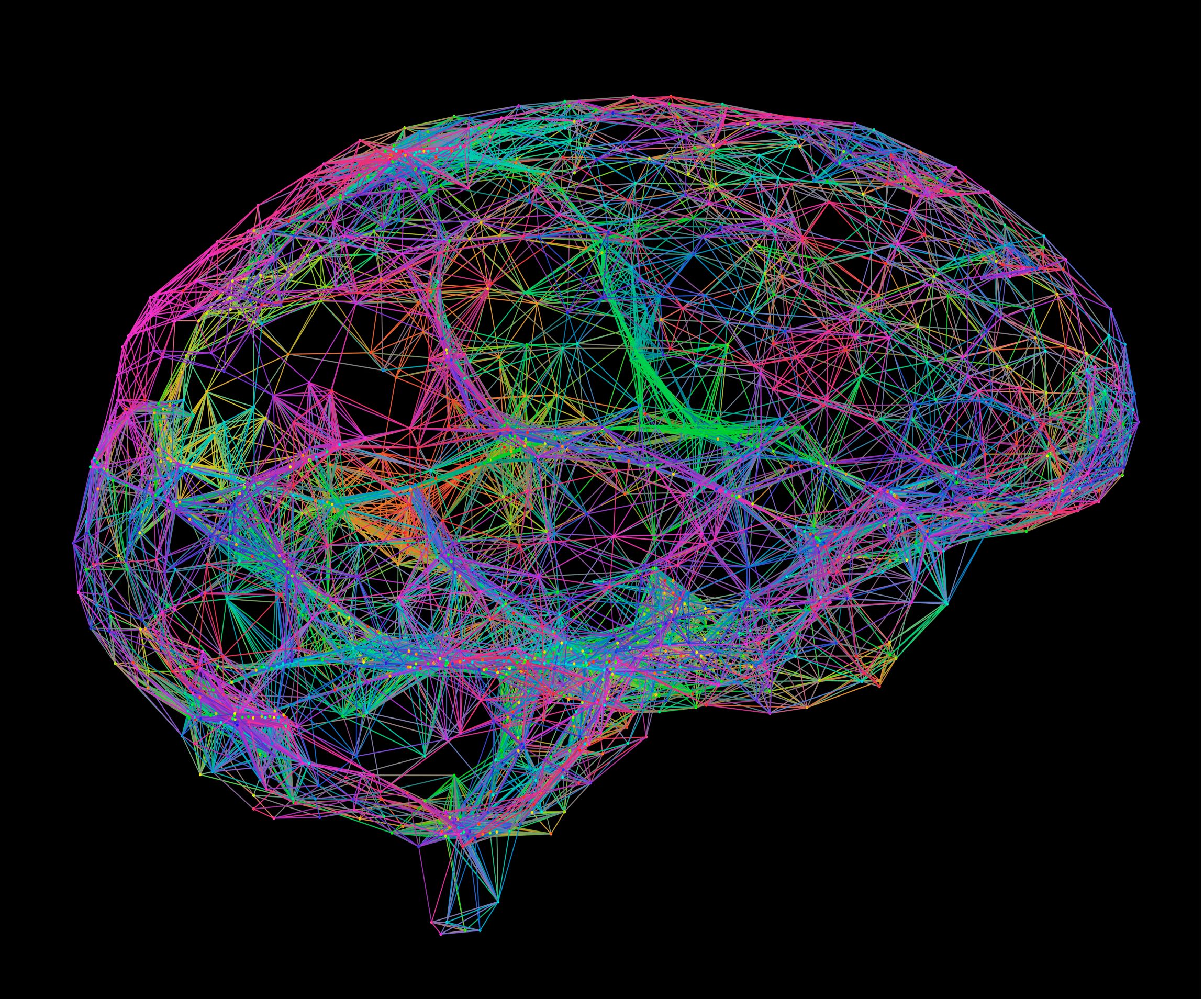
    Credit: Alfred Pasieka/Science Photo Library/Getty Images

    Parvalbumin (PV) interneurons act as the brain’s rhythm keepers. By regulating local circuit activity and maintaining excitation–inhibition balance, they help stabilize cortical network function. When these cells malfunction or decline—as seen in disorders such as schizophrenia and epilepsy—neural networks can become unstable, leading to cognitive and behavioral disruptions. Yet despite their importance, PV interneurons have been difficult to generate in vitro, with multiple studies noting the challenge of producing subtype‑specific PV cells from stem cell or fetal sources.

    A team at Lund University now reports a major step toward overcoming that barrier. In a study published in Science Advances titled “A distinct lineage pathway drives parvalbumin chandelier cell fate in human interneuron reprogramming,” the researchers describe a method to directly reprogram human glial cells into PV interneurons without passing through a stem‑cell stage. The approach builds on their earlier work but adds a deeper understanding of the lineage transitions that drive PV identity.

    “In our study, we have for the first time succeeded in reprogramming human glial cells into parvalbumin neurons that resemble those that naturally exist in the brain,” said Daniella Rylander Ottosson, PhD, senior author and researcher in regenerative neurophysiology at Lund University. “We have also been able to identify several key genes that seem to play a crucial role in the transformation.”

    The team used human stem‑cell–derived glial progenitor cells (hGPCs) and introduced a defined set of five transcription factors—Ascl1, DLX5, LHX6, Sox2, and FOXG1—to drive interneuron reprogramming. Within weeks—far faster than traditional stem‑cell differentiation protocols—the glial cells adopted neuronal morphology, expressed GABAergic markers, and developed electrophysiological properties consistent with inhibitory interneurons.

    Single‑nucleus RNA sequencing revealed that the reprogrammed cells rapidly transitioned through distinct developmental states, ultimately forming several neuronal clusters. Among them was a robust PV‑enriched population with molecular signatures characteristic of chandelier cells. The analysis also uncovered a previously uncharacterized lineage trajectory leading to PV fate, including dynamic gene programs that appear essential for establishing the chandelier‑cell phenotype.

    The work addresses a long‑standing challenge in the field: generating subtype‑specific PV interneurons efficiently and reliably. Because glial cells are abundant, proliferative, and widely distributed throughout the brain, direct reprogramming offers a potential route to repair inhibitory circuits affected in neurological and psychiatric disorders. However, transferring glia reprogramming to the human system has been difficult, in part because hGPCs develop relatively late, the authors noted. The researchers overcame this hurdle by using a stem‑cell–derived hGPC protocol that produces oligodendrocyte precursor–like cells, which they and others have previously shown can be successfully converted into interneurons.

    The discovery of a PV‑specific lineage pathway also highlights previously unknown PV‑fate genes that could inform future refinements to reprogramming strategies. As for the future of brain cell engineering, the ability to generate mature human PV interneurons quickly and reproducibly may become a cornerstone of future circuit‑repair therapies.

    Brain Glia interneurons Parvalbumin promise Repair Reprogrammed Show
    Share. Facebook Twitter Pinterest LinkedIn Tumblr WhatsApp Email
    Previous ArticleThe Rhythm of the Reef: How Coral Keeps Time for Nearby Microbes
    Next Article Is Whiskey Gluten-Free? Celiac Guide to Bourbon, Rye & Scotch
    admin
    • Website

    Related Posts

    A Video Report from AGBT

    February 27, 2026

    Novo Nordisk, Vivtex Ink Up to $2.1B Deal to Develop Oral Biologics for Metabolic Conditions

    February 27, 2026

    Advanced Brain Cancer Survival Rates Double with LITT

    February 27, 2026

    Increasing Rice Yields with Gene-Informed Selective Breeding

    February 27, 2026
    Leave A Reply Cancel Reply

    Our Picks

    9 Time-Saving Kitchen Gadgets for Fall at Amazon

    September 5, 2025

    Why Exercise Is So Important For Heart Health, From An MD

    September 5, 2025

    An Engineered Protein Helps Phagocytes Gobble Up Diseased Cells

    September 5, 2025

    How To Get Rid Of Hangnails + Causes From Experts

    September 5, 2025
    • Facebook
    • Twitter
    • Pinterest
    • Instagram
    • YouTube
    • Vimeo
    Don't Miss
    Longevity

    Nautilus debuts Voyager platform in push toward next-gen proteomics

    By adminMarch 1, 20260

    Company’s new benchtop system promises a clearer view of proteins following validation at a leading…

    First-in-Human Success for Prenatal Stem Cell Therapy in Spina Bifida

    February 28, 2026

    Pressure-Driven Pathway Links Liver Congestion to Fibrosis and Cancer

    February 28, 2026

    A cellular atlas of aging comes into focus

    February 28, 2026

    Subscribe to Updates

    Get the latest creative news from SmartMag about art & design.

    About Us

    At FineGut, our mission is simple: to enhance your self-awareness when it comes to your gut health. We believe that a healthy gut is the foundation of overall well-being, and understanding the brain–gut connection can truly transform the way you live.

    Our Picks

    9 Time-Saving Kitchen Gadgets for Fall at Amazon

    September 5, 2025

    Why Exercise Is So Important For Heart Health, From An MD

    September 5, 2025

    An Engineered Protein Helps Phagocytes Gobble Up Diseased Cells

    September 5, 2025
    Gut Health

    Nautilus debuts Voyager platform in push toward next-gen proteomics

    March 1, 2026

    First-in-Human Success for Prenatal Stem Cell Therapy in Spina Bifida

    February 28, 2026

    Pressure-Driven Pathway Links Liver Congestion to Fibrosis and Cancer

    February 28, 2026
    X (Twitter) YouTube
    • Contact us
    • Privacy Policy
    • Disclaimer
    • Terms and Conditions
    © 2026 finegut.com. Designed by Pro.

    Type above and press Enter to search. Press Esc to cancel.