

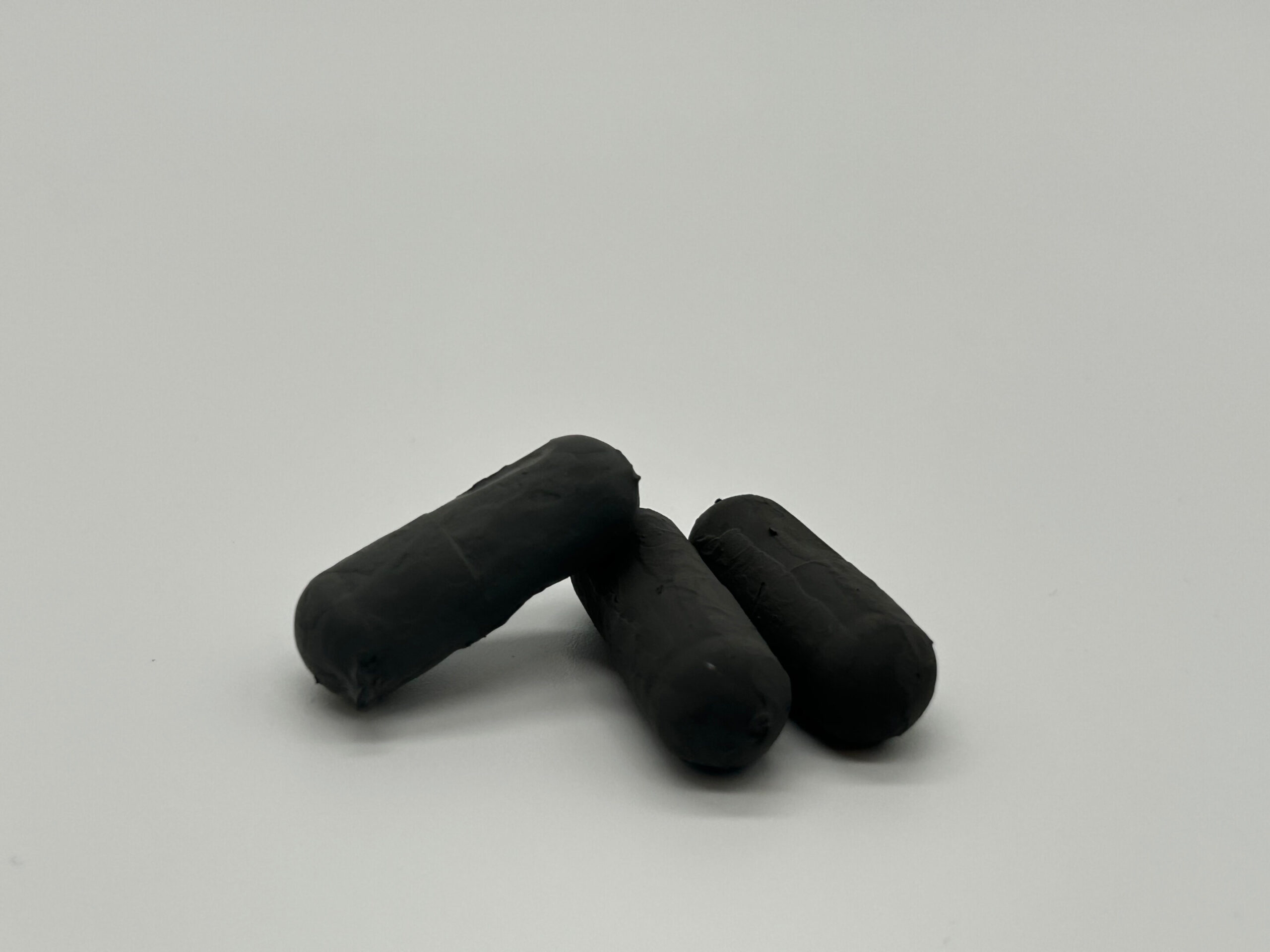
MIT researchers have developed a pill that can report when it has been swallowed to ensure patients are taking their medication as prescribed. Results from a preclinical study in pigs, published today in Nature Communications, show that the pill can successfully send out a signal within 10 minutes of being taken, with most components breaking down in the stomach afterward.
According to the World Health Organization (WHO), nearly 50% of patients in need of long-term treatment do not take their medication as prescribed. This new reporting system could be beneficial for a wide range of patient populations, including people who recently had an organ transplant and need to take immunosuppressants to prevent rejection, patients who recently had a stent inserted and require medication to prevent blockage, or individuals with chronic infectious diseases such as tuberculosis or HIV.
“The goal is to make sure that this helps people receive the therapy they need to maximize their health,” said Giovanni Traverso, MD, PhD, associate professor of mechanical engineering at MIT, gastroenterologist at Brigham and Women’s Hospital, and associate member of the Broad Institute of MIT and Harvard. “We want to prioritize medications that, when non-adherence is present, could have a really detrimental effect for the individual.”
The system designed by Traverso and colleagues consists of a miniature radio frequency (RF) antenna made from zinc and cellulose that can be rolled up and placed inside a pill capsule along with the drug. The exterior of the capsule is made from gelatin and coated with a layer of cellulose mixed with either molybdenum or tungsten—metals that block any RF signal from being emitted.
Once the pill is swallowed, the coating breaks down in the digestive tract, releasing the antenna along with the drug. The antenna is then able to pick up an RF signal sent from an external receiver up to two feet away and send back a signal using a tiny RF chip. This chip is the only component that is not biodegradable and needs to be excreted after passing through the digestive tract; All other components were shown to be broken down and absorbed by the body within a week.
“The components are designed to break down over days using materials with well-established safety profiles, such as zinc and cellulose, which are already widely used in medicine,” said Mehmet Girayhan Say, PhD, MIT researcher and co-lead author of the study. “Our goal is to avoid long-term accumulation while enabling reliable confirmation that a pill was taken, and longer-term safety will continue to be evaluated as the technology moves toward clinical use.”
Previous work at Traverso’s lab led to the development of drug delivery capsules that remain in the digestive tract for weeks and release precise doses at predetermined times. Recently, results from a Phase III trial showed that this system could successfully deliver schizophrenia medication, allowing patients to take it once a week instead of once a day.
“We’ve developed systems that can stay in the body for a long time, and we know that those systems can improve adherence, but we also recognize that for certain medications, we can’t change the pill,” said Traverso. That is why the new biodegradable RF system developed by his team is designed to be compatible with existing pill capsules.
Further preclinical work will be needed before these pills can be tested in humans. To that end, the researchers are planning for the design of a wearable device that is able to receive the RF signal emitted by the pill and then transmit it to the patient’s healthcare team to monitor their adherence to the prescribed medication.
