
Close Menu
My Blog

    Subscribe to Updates

    Get the latest creative news from FooBar about art, design and business.

    What's Hot

    Nautilus debuts Voyager platform in push toward next-gen proteomics

    March 1, 2026

    First-in-Human Success for Prenatal Stem Cell Therapy in Spina Bifida

    February 28, 2026

    Pressure-Driven Pathway Links Liver Congestion to Fibrosis and Cancer

    February 28, 2026
    Facebook X (Twitter) Instagram
    X (Twitter) YouTube
    My BlogMy Blog
    Sunday, March 1
    • Home
    • About Us
    • Healthy Living
    • DNA & Genetics
    • Podcast
    • Shop
    My Blog
    Home»Microbiome»Blood Test Could Predict Crohn’s Disease Years Before Symptoms Appear
    Microbiome

    Blood Test Could Predict Crohn’s Disease Years Before Symptoms Appear

    adminBy adminJanuary 13, 2026No Comments3 Mins Read
    Facebook Twitter Pinterest LinkedIn Tumblr WhatsApp VKontakte Email
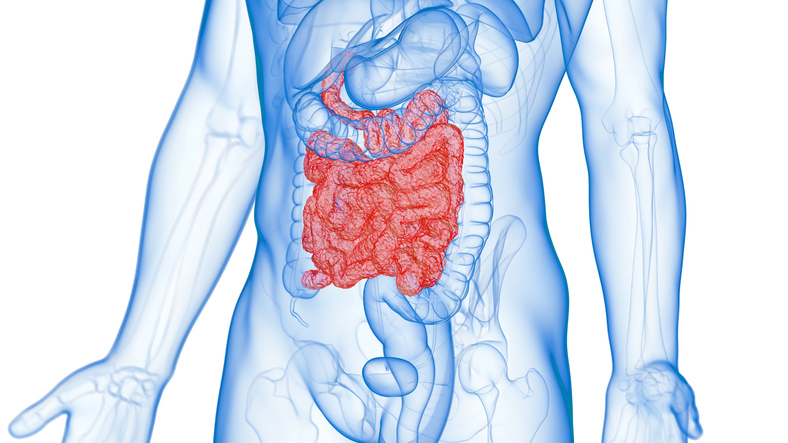
    Transparent image of a human torso showing inflamed small intestine, as seen in Crohn's disease patients
    Share
    Facebook Twitter LinkedIn Pinterest Email

    Credit: SEBASTIAN KAULITZKI/SCIENCE PHOTO LIBRARY/Getty Images

    Research led by Mount Sinai Hospital in Toronto shows antibodies against flagellin, the main protein that makes up the long tail on many gut bacteria, can be found in the blood of a significant proportion of at risk people who go on to develop Crohn’s disease.

    The antibody response observed by the researchers was mainly directed at a small section of the flagellin protein, known as the hinge region, from normal gut bacteria and could be detected one to five years before diagnosis in those affected.

    Crohn’s disease is an autoimmune disease affecting the digestive tract that can cause pain and serious complications, affecting almost one million people in the U.S. Earlier diagnosis could enable closer follow up and quick treatment to limit gut damage and complications.

    “Elevated antimicrobial antibodies have been reported up to six years before diagnosis of Crohn’s disease, but the specific antibody response is unclear,” write the investigators in Clinical Gastroenterology and Hepatology.

    In this study, the team included data from just under 400 close relatives of people with the inflammatory bowel disease, 77 who went on to develop Crohn’s and 304 who did not who acted as controls (matched for age, sex, duration of follow up and location). The researchers measured immune response to bacteria from blood samples taken one to four years before the group who developed the disease were diagnosed.

    They measured antimicrobial antibodies on a microarray, then used a targeted bead based test for specific flagellin peptides, alongside testing for gut inflammation (fecal calprotectin and C reactive protein) and gut permeability.

    People who later developed Crohn’s disease already showed more silent inflammation and gut barrier damage at baseline than relatives who stayed healthy. They had high levels of 28 of 49 antibodies, including 19 immunoglobulin (ig)G responses. Most of these were to Lachnospiraceae flagellins that were linked to roughly double the odds of future Crohn’s disease.

    “We wanted to know: do people who are at risk, who are healthy now, have these antibodies against flagellin?” said co-lead author Ken Croitoru, MD, a clinician scientist at the Lunenfeld-Tanenbaum Research Institute, part of Sinai Health, in a press statement. “We looked, we measured, and yes indeed, at least some of them did.”

    The results show a specific igG response to a conserved flagellin hinge peptide appears years before Crohn’s diagnosis in high risk relatives and is not simply a reflection of existing inflammation or a leaky gut.

    The researchers say this antibody pattern could become a preclinical biomarker to identify high risk individuals and might point to new preventive or immune-based treatment strategies, but emphasize it needs confirmation and validation in other groups of people at risk for Crohn’s disease first.

    Blood Crohns Disease Predict Symptoms Test Years
    Share. Facebook Twitter Pinterest LinkedIn Tumblr WhatsApp Email
    Previous ArticleImmune-Related Genes that Shape Pancreatic Cancer Risk and Outcomes Identified
    Next Article Engineered Skin “Living Sensor Display” Lights Up for Biological Monitoring
    admin
    • Website

    Related Posts

    First-in-Human Success for Prenatal Stem Cell Therapy in Spina Bifida

    February 28, 2026

    Pressure-Driven Pathway Links Liver Congestion to Fibrosis and Cancer

    February 28, 2026

    Genetic Biomarkers to Predict Efficacy of GLP-1 Therapies Uncovered

    February 28, 2026

    Mapping the Cellular Architecture of Aging Across 21 Organs

    February 28, 2026
    Leave A Reply Cancel Reply

    Our Picks

    9 Time-Saving Kitchen Gadgets for Fall at Amazon

    September 5, 2025

    Why Exercise Is So Important For Heart Health, From An MD

    September 5, 2025

    An Engineered Protein Helps Phagocytes Gobble Up Diseased Cells

    September 5, 2025

    How To Get Rid Of Hangnails + Causes From Experts

    September 5, 2025
    • Facebook
    • Twitter
    • Pinterest
    • Instagram
    • YouTube
    • Vimeo
    Don't Miss
    Longevity

    Nautilus debuts Voyager platform in push toward next-gen proteomics

    By adminMarch 1, 20260

    Company’s new benchtop system promises a clearer view of proteins following validation at a leading…

    First-in-Human Success for Prenatal Stem Cell Therapy in Spina Bifida

    February 28, 2026

    Pressure-Driven Pathway Links Liver Congestion to Fibrosis and Cancer

    February 28, 2026

    A cellular atlas of aging comes into focus

    February 28, 2026

    Subscribe to Updates

    Get the latest creative news from SmartMag about art & design.

    About Us

    At FineGut, our mission is simple: to enhance your self-awareness when it comes to your gut health. We believe that a healthy gut is the foundation of overall well-being, and understanding the brain–gut connection can truly transform the way you live.

    Our Picks

    9 Time-Saving Kitchen Gadgets for Fall at Amazon

    September 5, 2025

    Why Exercise Is So Important For Heart Health, From An MD

    September 5, 2025

    An Engineered Protein Helps Phagocytes Gobble Up Diseased Cells

    September 5, 2025
    Gut Health

    Nautilus debuts Voyager platform in push toward next-gen proteomics

    March 1, 2026

    First-in-Human Success for Prenatal Stem Cell Therapy in Spina Bifida

    February 28, 2026

    Pressure-Driven Pathway Links Liver Congestion to Fibrosis and Cancer

    February 28, 2026
    X (Twitter) YouTube
    • Contact us
    • Privacy Policy
    • Disclaimer
    • Terms and Conditions
    © 2026 finegut.com. Designed by Pro.

    Type above and press Enter to search. Press Esc to cancel.