

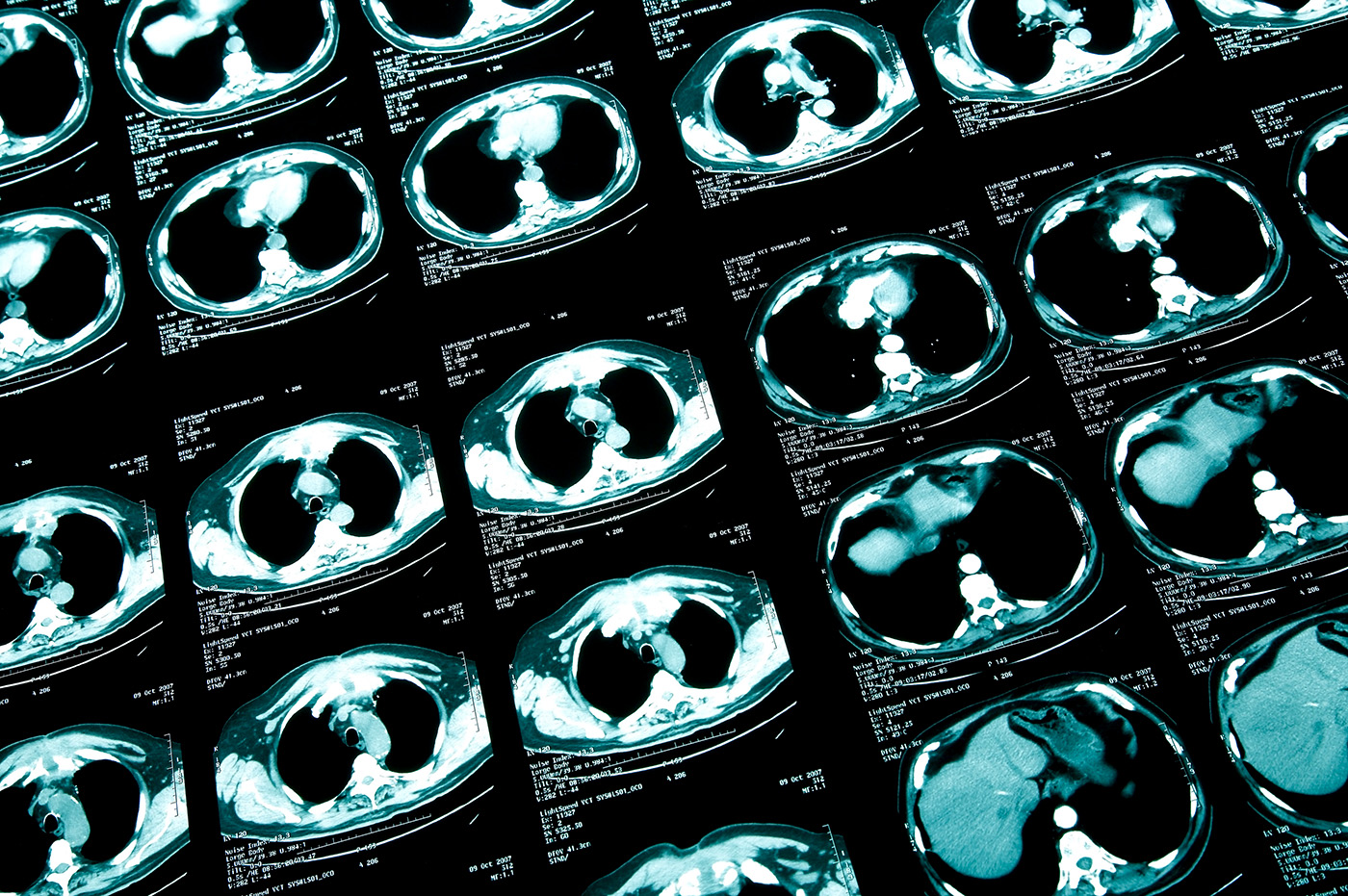
Clinical trials generate terabytes of imaging data—details on disease status, treatment effects, and progression—but biopharma sponsors don’t see most of it. They typically receive summarized outputs from clinical research organizations (CROs), while the underlying imaging data, including quality metrics and annotations, remain locked in closed systems across multiple sites. This is a problem for drug developers who are increasingly interested in studying primary data. And it explains why some are investing in data ecosystems that serve as the foundation for AI tools to make their images findable and usable.
In this GEN webinar, experts from Perceptive Imaging and Flywheel explore how imaging data access issues slow decision-making and increase risks for both biopharma and CROs. Case studies drawn from oncology and neurology trials show how earlier streamlined access to patient images using AI and cloud infrastructure can shorten turnaround times for decisions like determining patient eligibility, enable complex analyses during and after the trial, and support future protocol design. Key takeaways include:
- Why imaging data is handled differently than other types of clinical data, contributing to delays in sponsor access and secondary analysis
- How compliant imaging workflows enhance data governance, accelerate trial timelines, support regulatory readiness, and facilitate secondary data reuse
- How Flywheel’s imaging data management solution provides shared access to raw data in a controlled, auditable environment that meets GxP, HIPAA, and 21 CFR Part 11 requirements
A live Q&A session will follow the presentations, offering you a chance to pose questions to our expert panelists.
Produced with support from:
