

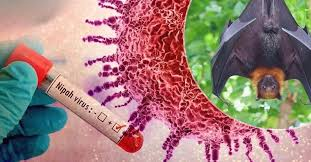
Highly fatal, incurable virus confirmed in West Bengal; containment and screening measures expand across Asia amid travel and health concerns.
Kolkata, India — Indian health authorities have confirmed an outbreak of Nipah virus in the eastern state of West Bengal, marking the re-emergence of a pathogen known for high fatality and no approved cure. At least five infections have been identified, including healthcare workers, and nearly 100 people have been quarantined as part of contact tracing and containment efforts.
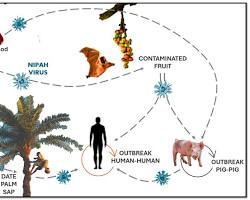
The virus, first identified in Malaysia in 1999 and periodically seen in South and Southeast Asia since, is carried by fruit bats and can jump to humans through contact with infected animals, contaminated food, or close human contact. Severe illness can include fever, respiratory distress and encephalitis, a dangerous inflammation of the brain.
Why Now
This cluster in West Bengal comes amid existing surveillance for zoonotic diseases in the region and months after smaller outbreaks in other Indian states. Health officials say rapid identification, quarantine and testing have been prioritized to limit spread. That urgency reflects lessons from past Nipah episodes — most recently in southern India and Bangladesh — where delayed detection led to larger transmission chains and higher death tolls.
Public-Health Response
Indian authorities have mobilized national and regional disease control units to trace contacts, isolate cases and test suspected carriers, including bats in local environments. Neighboring countries have expanded screening and surveillance measures: Thailand, Nepal and Taiwan have heightened airport health checks and reporting protocols for travelers from affected regions, drawing on mechanisms similar to those used during the COVID-19 pandemic.
Despite the intensified surveillance, experts consulted by regional media emphasize that risk to broader international travel remains low when compared to pandemic-capable respiratory pathogens, due to Nipah’s limited human-to-human transmissibility. The National
Historical Context
Nipah virus has caused periodic outbreaks across South Asia since its discovery in the late 1990s. In India, earlier clusters occurred in West Bengal and Kerala, some with high mortality rates in healthcare settings when infection control measures lagged. In Bangladesh, outbreaks are often linked to contamination of date palm sap by bats, a known transmission route. Wikipedia
Public health authorities point out that no vaccine or specific antiviral treatment exists. Care remains supportive, focusing on hydration, respiratory support and managing complications such as encephalitis. Cleveland Clinic
Real-World Consequences
For residents in affected districts, the outbreak has immediate implications: contact tracing restricts movement, and communities face anxiety about exposure in healthcare and household settings. For health systems, the focus on containment diverts resources even as seasonal respiratory illnesses circulate. Regional travel and trade hubs are adapting to enhanced screening without announcing broad travel bans. The National
In economic and institutional terms, renewed emphasis on Nipah reflects broader concerns about zoonotic diseases at the human–animal interface, especially in densely populated regions with frequent wildlife contact and agricultural activity.
What to Watch Next
In the coming weeks, authorities will be monitoring whether new cases emerge beyond the initial cluster and whether human-to-human transmission sustains broader spread. Vaccine research and therapeutics remain in early stages; outcomes from clinical trials — if any — will take months to influence policy. Continued transparency in reporting and regional cooperation on surveillance will shape public confidence and travel policies.
As outbreaks like this unfold, they stress the need for stronger routine disease monitoring and global readiness for high-fatality pathogens, even when their pandemic potential is assessed as lower than that of influenza or coronaviruses.
