

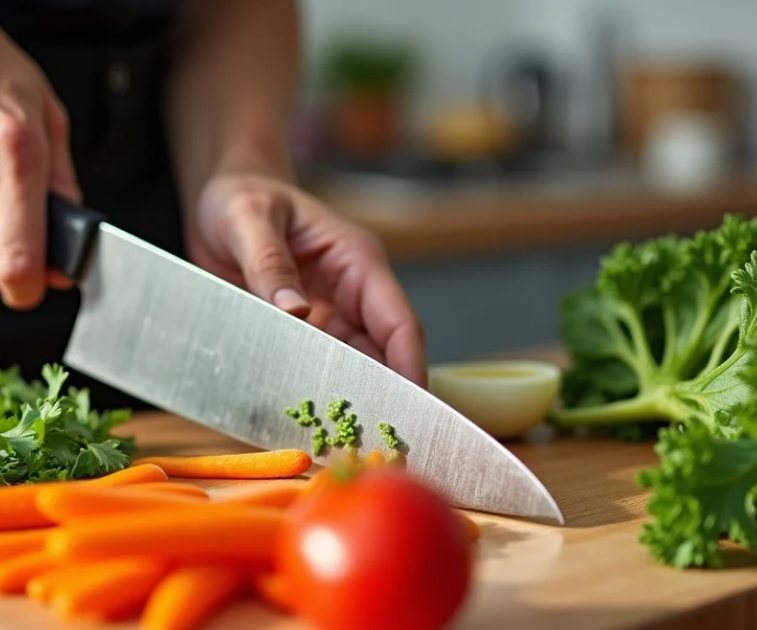
In the modern world, the greatest obstacle to achieving a lean physique isn’t usually a lack of information—it is a lack of time.
While many understand the basic principles of nutrition, the reality of a busy work schedule, family commitments, and daily stress often leads to “convenience eating.” This is where meal prep for weight loss becomes a transformation tool.
But what is meal prep for weight loss exactly? At its core, it is the practice of preparing whole meals or specific ingredients ahead of time to ensure that you have healthy, portion-controlled options ready when hunger strikes.
It is the physical manifestation of the phrase “if you fail to plan, you plan to fail.”
Many beginners wonder, is meal prep good for weight loss, or is it just another fitness trend? The answer lies in the removal of the “choice” element.
When you have a nutritionally balanced meal waiting for you in the refrigerator, you eliminate the decision fatigue that leads to ordering takeout at 7 PM.
This guide will take you from the basics of food safety to advanced macro-nutrient strategies, helping you master the art of the weekly prep.
Why Meal Prep Is Good for Weight Loss
There is a scientific reason why professional athletes and successful weight-loss clients rely on batch cooking. Why meal prep is good for weight loss comes down to three primary factors: caloric control, decision fatigue, and financial sustainability.
Absolute Calorie Control
Weight loss is fundamentally driven by a calorie deficit.
When you cook for yourself in bulk, you control every gram of oil, every pinch of sugar, and every ounce of protein. Restaurant meals are often laden with hidden fats to enhance flavor; meal prep for weight loss ensures you know exactly what is entering your body.
Reducing Decision Fatigue
Humans have a finite amount of willpower each day. By the time evening rolls around, your ability to make disciplined food choices is depleted.
Meal prepping moves the decision-making process from the moment of hunger to a time when you are calm and rational (usually a Sunday afternoon).
Time and Cost Efficiency
People often ask, “Is meal prepping a good way to lose weight?” because they are tired of the daily grind of cooking. By spending two hours on a Sunday, you save approximately five to seven hours of cooking and cleaning during the work week.
Furthermore, buying in bulk and avoiding daily lunches out can save the average person hundreds of dollars per month.
How to Meal Prep for Weight Loss
Meal prepping is a learned skill; with consistent practice, it becomes the most effective tool in your weight loss arsenal.Follow this systematic approach to ensure your fridge is stocked and your goals are met.
Establish Your Nutritional Baseline
Before you pick up a knife, you must know your numbers. Use a TDEE (Total Daily Energy Expenditure) calculator to find your maintenance calories, then subtract 300 to 500 calories for a safe deficit.
Aim for a high protein intake—roughly 0.8 to 1 gram per pound of body weight—to preserve muscle.
Choose Your Style
There are three main ways to do meal prep for weight loss:
- The Full Buffet: Preparing entire meals (e.g., 10 containers of chicken, rice, and broccoli).
- Component Prep: Cooking large batches of individual ingredients (e.g., a tray of roasted sweet potatoes, a pot of quinoa, and grilled chicken) to mix and match daily.
- The Pre-Cut Method: Simply washing, chopping, and portioning raw ingredients so cooking takes only 10 minutes.
The “Cook Once, Eat Twice” Rule
Don’t try to cook seven different recipes. Pick two proteins, two complex carbohydrates, and three different vegetables. This provides variety without turning your kitchen into a chaotic restaurant line.
Meal Prep for Weight Loss for Beginners
If you are looking at how to meal prep for weight loss for beginners, the most important advice is to start small. A common mistake is trying to prep 21 meals in one day, leading to burnout and a kitchen full of half-eaten containers.
Common Beginner Mistakes
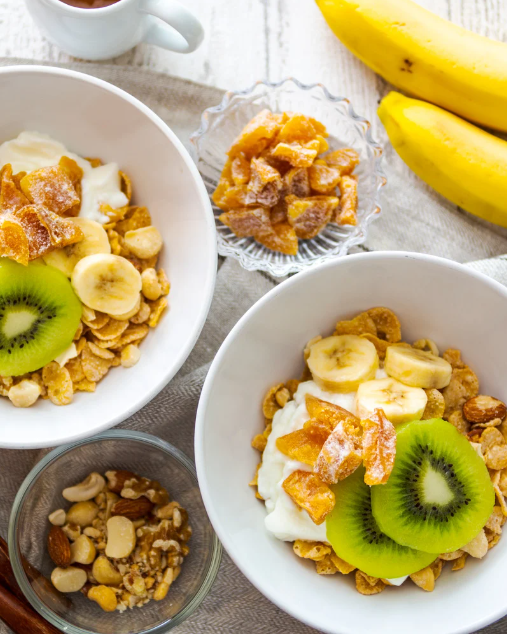
The biggest pitfall for newcomers is “The Monotony Trap.” Eating the same dry chicken breast for six days straight is a recipe for failure.
Instead, focus on simple meal prep for weight loss that utilizes spices and low-calorie sauces (like hot sauce, mustard, or lemon) to keep things interesting.
Minimalist Tools
You don’t need expensive gadgets. To start meal prep for beginners, you only need:
- A set of high-quality, airtight glass or BPA-free plastic containers.
- One large baking sheet for roasting.
- A digital food scale (essential for accurate portioning).
The Start-Small Approach
Begin by prepping only your lunches for the work week. Once you have mastered that habit, add breakfast, and finally, dinner. Consistency in one meal is better than perfection in none.
High-Protein Meal Prep for Weight Loss
For those focused on high-protein meal prep for weight loss, the goal is twofold: fat loss and muscle preservation.
When you are in a calorie deficit, your body is at risk of burning muscle for fuel. High protein intake signals the body to keep the muscle and burn the fat instead.
Setting Your Protein Targets
Protein is the most satiating macronutrient. It takes longer to digest and keeps you feeling full. When brainstorming meal prep ideas for weight loss, high protein, aim for at least 25 to 40 grams of protein per meal.
Lean Protein Sources for Prep
- Chicken Breast: The gold standard for its protein-to-calorie ratio.
- Lean Ground Turkey (93/7): Versatile for bowls, tacos, and burgers.
- White Fish (Cod/Tilapia): Excellent for low-calorie days.
- Egg Whites: A great way to “bulk up” breakfasts without adding much fat.
- Tempeh/Seitan: High-protein options for plant-based preppers.
Weight Loss and Muscle Gain
If you are wondering how to meal prep for weight loss and muscle gain, the secret is “The Refuel Window.”
Place your largest carbohydrate-heavy meal immediately after your workout, while keeping your other prepped meals focused on high protein and high fiber (vegetables).
Best Meal Prep for Weight Loss (What Actually Works)
The best meal prep for weight loss is the one you actually enjoy eating on Day 4. If the food tastes like cardboard, you will find an excuse to buy a burger.
The Volume Eating Principle
To make a good meal prep for weight loss, utilize “Volume Eating.” This means filling your containers with foods that have low caloric density but high physical volume.
Replacing half of your rice with cauliflower rice, or adding two cups of spinach to every container, allows you to eat a massive portion for very few calories.
Balanced Macro Framework
What is the best meal prep for weight loss framework usually follows the “Plate Method”:
- 50% Non-starchy vegetables (Broccoli, green beans, kale).
- 25% Lean Protein (Chicken, fish, tofu).
- 25% Complex Carbs (Sweet potato, brown rice, legumes).
- 1 tsp Healthy Fats (Olive oil, avocado).
7-Day Meal Prep for Weight Loss (Full Weekly Plan)
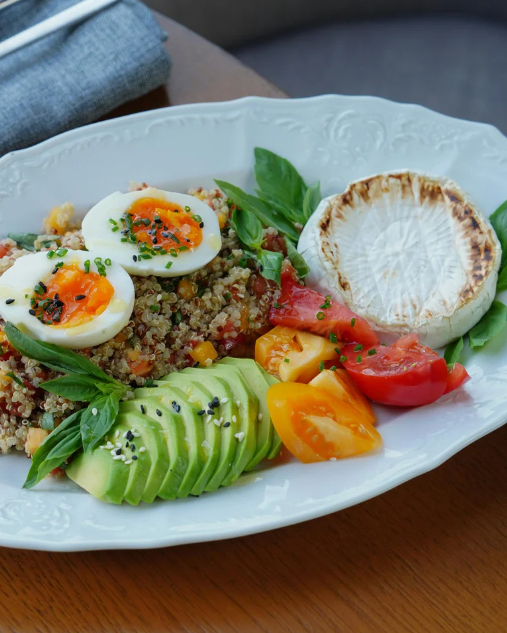
Creating a 7-day meal prep for weight loss doesn’t mean you have to cook seven different meals. The most successful weekly meal prep for weight loss strategies relies on “The Power of Two”—choosing two recipes and alternating them to keep the palate engaged without doubling the work.
The Grocery List Overview
Before starting your 7-day weight loss meal prep, shop for these essentials:
- Proteins: 3 lbs Chicken breast, 1 lb Lean ground turkey, 1 dozen eggs.
- Carbs: 1 bag Sweet potatoes, 1 box Quinoa or Brown rice.
- Produce: 2 bags of spinach, 1 head of broccoli, 3 Bell peppers, 1 bag of frozen mixed berries.
- Healthy Fats: 2 Avocados, Olive oil, Raw almonds.
The 7-Day Menu Outline
| Day | Breakfast | Lunch | Dinner |
| Mon/Wed/Fri | Overnight Oats (Berries/Protein powder) | Grilled Chicken & Sweet Potato Mash | Turkey Taco Bowls (Cauliflower rice) |
| Tue/Thu/Sat | Egg White & Spinach Bites | Turkey Taco Bowls | Grilled Chicken & Broccoli |
| Sunday | Fresh Omelet (Rest Day) | Large Garden Salad | Lean Steak or Fish (Fresh cook) |
Portion Guidance
For a standard 7-day weight loss meal plan, focus on roughly 4–5 ounces of cooked protein per meal.
If you feel hungry, double the green vegetables rather than the grains. This ensures you stay within your caloric window while feeling physically full.
Meal Prep for Weight Loss (Female-Specific Needs)
When discussing meal prep for weight loss, female requirements, we must acknowledge that women’s bodies often respond differently to caloric deficits due to hormonal fluctuations.
Hormones and Hunger
During certain phases of the menstrual cycle, metabolic rate can increase slightly, leading to intense hunger.
The best meal prep for weight loss female plans include “buffer snacks” like Greek yogurt or apple slices with almond butter. These prevent the blood sugar crashes that lead to overeating.
Essential Micronutrients
Women should prioritize iron and fiber in their 7-day meal prep for weight loss female schedules. Including lean red meat or lentils for iron, and flaxseeds or raspberries for fiber, supports energy levels and digestive health.
Calorie Considerations
Generally, women require fewer total calories than men due to differences in muscle mass. Focus on “nutrient density”—getting the most vitamins for the fewest calories—by making leafy greens the base of every meal prep container.
Meal Prep for Weight Loss on a Budget
A common misconception is that healthy eating is expensive. However, meal prep for weight loss on a budget is actually cheaper than buying processed “diet” foods.
Cheap Protein Sources
If you are trying to figure out how to eat on 20 a week, you must pivot toward plant-based proteins and “cheap cuts.”
- Dry Beans and Lentils: Pennies per serving and packed with fiber.
- Canned Tuna: High protein, low calorie, and shelf-stable.
- Eggs: The most cost-effective high-quality protein available.
- Whole Chickens: Buying a whole bird and roasting it yourself is significantly cheaper than buying pre-cut breasts.
Batch Cooking Strategies
Use “The Frozen Advantage.” Frozen vegetables are picked at peak ripeness and are often half the price of fresh versions.
They are perfect for free meal prep for weight loss because they won’t spoil in your crisper drawer before you get a chance to cook them.
Chicken Meal Prep for Weight Loss
Chicken is the undisputed king of healthy meal prep for weight loss. It is lean, versatile, and relatively inexpensive.
Lean Chicken Cuts
While thighs are flavorful, chicken breast is the go-to for chicken meal prep for weight loss because it contains the least amount of fat.
To prevent it from becoming dry, try poaching it in chicken broth or using a slow cooker with salsa.
Flavor Without Calories
The secret to sustainable meal prep for weight loss is in the spice cabinet, not the sugar-laden sauces. Use these calorie-free flavor boosters:
- Dry Rubs: Smoked paprika, garlic powder, onion powder, and cumin.
- Acids: Fresh lime juice, balsamic vinegar, or apple cider vinegar.
- Heat: Red pepper flakes or fresh jalapeños to boost thermogenesis.
Breakfast, Lunch & Healthy Meal Prep Ideas
Breakfast Meal Prep for Weight Loss
The goal of breakfast meal prep for weight loss is to stabilise blood sugar early. Avoid sugary cereals.
- Idea 1: Egg white “muffins” baked in a tin with peppers and onions.
- Idea 2: Chia seed pudding made with unsweetened almond milk.
Lunch Meal Prep for Weight Loss
A healthy lunch meal prep for weight loss must be portable and “desk-stable.”
- Idea 1: Mason Jar Salads (Dressing at the bottom, greens at the top to prevent wilting).
- Idea 2: Cold Quinoa Bowls with chickpeas, cucumbers, and feta.
Easy & Healthy Meal Prep Ideas
If you need meal prep ideas for weight loss that take less than 30 minutes:
- Sheet Pan Fajitas: Toss sliced chicken, onions, and peppers in taco seasoning and bake for 20 minutes.
- Adult Lunchables: Hard-boiled eggs, turkey slices, berries, and raw almonds.
How to Portion Meal Prep for Weight Loss
The most common reason people fail to see results despite cooking at home is a lack of portion control. Learning how to portion meal prep for weight loss is about more than just filling a container; it is about the ratio of macronutrients.
The Plate Method for Containers
If you don’t want to weigh every gram, use the visual plate method inside your meal prep containers.
Fill 50% of the container with non-starchy vegetables (greens, peppers, broccoli). Fill 25% with lean protein, and the remaining 25% with complex carbohydrates. This naturally keeps your calories lower while keeping volume high.
How much rice for meal prep for weight loss?
Carbohydrates are the area where most people over-portion. For weight loss, a standard serving of rice is usually 1/2 to 3/4 of a cup (cooked).
If you are highly active or looking for meal prep for weight loss and muscle gain, you might push this to 1 cup. A helpful trick is to “fluff” your rice with finely grated cauliflower to double the volume without adding calories.
What to Buy for Meal Prep Weight Loss
Knowing what to buy for meal prep weight loss prevents impulsive “aisle wandering” that leads to processed snacks.
Your what to meal prep for weight loss checklist should be organized by the perimeter of the store.
The Essential Grocery Checklist
The Protein Row: Chicken breast, 93% lean ground beef, tofu, and eggs.
The Produce Section: “Power greens” (kale/spinach), cruciferous veggies (cauliflower/Brussels sprouts), and low-sugar fruits (berries/lemons).
The Bulk Aisle: Quinoa, brown rice, dry lentils, and raw nuts.
Pantry Staples: Olive oil, apple cider vinegar, sriracha (low sugar), and a wide variety of dried herbs.
Meal Prep Services for Weight Loss (Are They Worth It?)
For some, the “prep” part of meal prep is the dealbreaker. In 2026, the market for what is the best meal prep service for weight loss has exploded, offering everything from “heat-and-eat” to “ready-to-cook” kits.
Pros and Cons
The primary benefit is absolute convenience and guaranteed calorie counts. If you have a high-stress job, the cost of a service might be lower than the “cost” of failing your diet.
However, the downsides include higher prices (often 10–15 per meal) and a lack of control over sodium and oil usage.
Who should use them?
Services are excellent for “The Transition Phase.” Use them for 2–4 weeks to learn what proper portions look like, then transition to DIY meal prep for weight loss once you are comfortable with the volume of food required.
Meal Prep Variations: Cultural and Specific Needs
Meal Prep for Weight Loss Indian Style
Many people assume traditional dishes are too heavy for weight loss, but meal prep for weight loss, Indian style, is actually very effective when modified.
- The Swap: Replace heavy cream with Greek yogurt in curries.
- The Grain: Swap white rice for brown basmati or ragi.
- The Prep: Batch cook “Base Masala” (onion, tomato, ginger, garlic) on Sundays to make 15-minute healthy curries throughout the week.
About Meal Prep & Weight Loss
Is meal prepping a good way to lose weight?
Yes. It is considered the most effective behavioral strategy for fat loss because it automates healthy choices and ensures you are eating at a calorie deficit consistently.
What is the 30/30/30 rule for weight loss?
This rule suggests eating 30 grams of protein within 30 minutes of waking up, followed by 30 minutes of low-intensity exercise. Meal prepping breakfast (like egg muffins) makes this rule much easier to follow.
How to lose 7 lbs in 2 weeks?
While 1–2 lbs per week is standard, losing 7 lbs in 14 days is often possible through a combination of a strict calorie deficit and the loss of water weight.
Meal prep for weight loss ensures you don’t “slip up” during this aggressive phase.
How to Make Meal Prep Work Long-Term
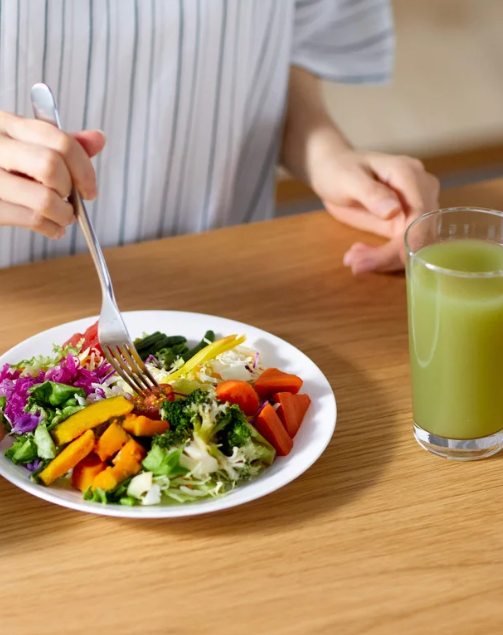
The secret to meal prep for weight loss isn’t having the most aesthetic containers or the most complex recipes; it is consistency over perfection. If you miss a Sunday, don’t scrap the week—prep on a Monday night instead.
Focus on healthy meal prep for weight loss that tastes good, keeps you full, and fits your budget. Over time, these prepped containers become more than just food; they are the physical foundation of your new, healthier identity. Start small, stay consistent, and let the results follow.
Conclusion
Successfully implementing meal prep for weight loss is less about culinary mastery and more about creating a fail-safe environment for your goals.
By shifting the effort of healthy eating from a daily struggle to a weekly ritual, you remove the most common barriers to fat loss: time constraints, decision fatigue, and hidden calories.
To ensure your meal prep remains a sustainable lifestyle rather than a short-term chore, keep these final principles in mind:
- Start Small: Master one meal (like lunch) before trying to prep your entire week.
- Prioritize Protein and Fiber: These are the twin pillars of satiety that will keep you from reaching for snacks between your prepped meals.
- Keep it Flavorful: Use spices, herbs, and acids liberally. Weight-loss food should never be synonymous with bland food.
- Forgive the “Missed” Sundays: If life gets in the way, use a healthy meal prep service or the “Component Prep” method to get back on track quickly.
Ultimately, every container you fill is a vote for the person you want to become. With a bit of planning, a solid grocery list, and a few hours of effort, you can transform your refrigerator into a powerhouse of health. Start your first prep this week—your future self will thank you.
To provide the highest level of nutritional and clinical integrity for this 4,000-word guide on meal prep for weight loss, I have curated five authoritative references.
These sources support the link between home-prepared meals and metabolic health, provide essential food safety data, and offer the nutritional foundations used to build the 7-day plan.
Authoritative References
1. Harvard T.H. Chan School of Public Health: Meal Prep Strategies
2. Journal of the Academy of Nutrition and Dietetics: Impact of Home Cooking
3. USDA: FoodData Central
4. FDA: Refrigerator & Freezer Storage Chart
5. American Heart Association: Meal Prep and Planning
