

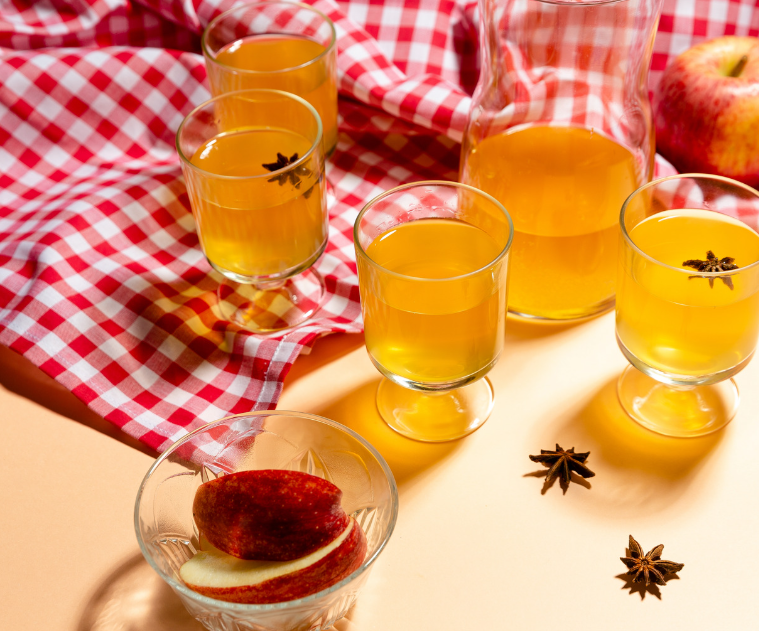
For many, the autumn season is synonymous with a crisp glass of apple-based refreshment. However, standing in the beverage aisle often leads to a common culinary conundrum: apple cider vs apple juice.
While they both originate from the same fruit, these two beverages are far from identical. Understanding the difference between apple cider and apple juice is essential for anyone looking to optimize their nutrition, elevate their cooking, or simply enjoy the best flavor profile for the occasion.
In the simplest terms, the difference between apple cider and apple juice lies in the processing. One is raw, robust, and fleeting, while the other is refined, clear, and shelf-stable.
As we move into 2026, health-conscious consumers are looking closer at labels than ever before, questioning apple juice vs cider regarding sugar content, antioxidant density, and culinary versatility.
This comprehensive guide will break down the chemistry, the calories, and the craft behind these two iconic drinks.
What Is Apple Juice?
To understand what apple juice is, one must look at the industrial refinement process. Apple juice is the most popular fruit juice in the world, valued primarily for its clarity and long-lasting freshness.
Processing and Filtration
The journey of apple juice begins similarly to cider—apples are washed and ground into a mash. However, the paths diverge during filtration.
Apple juice undergoes rigorous filtering to remove all solids, pulp, and sediment. This results in the translucent, golden liquid familiar to most consumers.
To prevent the juice from fermenting or spoiling, it is almost always pasteurized (heated to a specific temperature to kill bacteria) and vacuum-sealed.
Shelf Stability and Variety
Because of the intense filtration and pasteurization, apple juice is incredibly shelf-stable. You can find it in the non-refrigerated center aisles of the grocery store.
Common varieties range from “100% pure juice” to blends that may include added Vitamin C (ascorbic acid) to prevent browning. The difference between cider and juice, juice is the consistent, year-round option that offers a predictable sweetness and a smooth mouthfeel.
What Is Apple Cider?
Defining what apple cider is can be slightly more complex because the definition often changes depending on where you live. In the United States, “cider” typically refers to a specific type of non-alcoholic, unrefined juice.
The Unfiltered Experience
Apple cider is essentially the “raw” version of apple juice. It is made from apples that are pressed into a liquid that remains unfiltered.
This means the juice retains the “lees” or sediment—the tiny bits of apple solids and pulp that contain concentrated flavor and nutrients. This gives cider its characteristic cloudy appearance and opaque texture.
Regional and Seasonal Context
In most parts of North America, apple cider is a seasonal product found primarily in the autumn. It is often sold at orchards and in the refrigerated section of supermarkets. Unlike juice, traditional cider is highly perishable.
If it is not pasteurized, it can naturally begin to ferment into “hard cider” (alcohol) within a few weeks. However, in 2026, most commercial ciders found in stores are flash-pasteurized for safety while still maintaining their cloudy, rustic integrity.
Apple Cider vs Apple Juice: Key Differences Explained
When analyzing the apple cider vs apple juice difference, we can categorize the distinctions into four primary pillars: processing, appearance, shelf life, and availability.
1. Processing Methods
The most significant difference between apple cider and apple juice is the level of mechanical intervention. Juice is pressed, filtered, and often treated with enzymes to clarify the liquid. Cider is simply pressed and bottled.
Think of cider as “whole grain” juice—it contains more of the original fruit’s components.
2. Appearance and Texture
If you hold the two up to the light, the cider and juice differences are immediately apparent. Apple juice is clear and bright, allowing light to pass through completely. Apple cider is dark, amber, and cloudy.
The texture of cider is “heavier” on the palate, offering a more substantial mouthfeel due to the suspended solids.
3. Shelf Life and Storage
Apple juice is designed for longevity. Unopened, it can sit in a pantry for months. Apple cider, even when pasteurized, usually requires constant refrigeration and should be consumed within two weeks of opening.
4. Seasonal Availability
While you can buy apple juice on any day of the year, true apple cider is deeply tied to the harvest. While some brands offer “cider” year-round, the highest quality, unrefined versions are typically only available from September through December.
| Feature | Apple Juice | Apple Cider |
| Appearance | Clear, Golden, Translucent | Opaque, Amber, Cloudy |
| Filtration | Highly Filtered | Unfiltered (contains solids) |
| Pasteurization | Always (Standard) | Usually (Modern standards) |
| Storage | Shelf-stable (until opened) | Refrigerated |
| Taste Profile | Consistently Sweet | Tart, Complex, Bold |
How Apple Cider Is Made vs Apple Juice

The craft of making apple cider vs apple juice involves a series of mechanical steps that prioritize either flavor complexity or liquid clarity.
The Cider Pressing Process
The process for making apple cider is relatively ancient. Whole apples are ground into a “pomace” (a thick, chunky mash) with the consistency of applesauce.
This pomace is then wrapped in special cloth “cheeses” and placed in a hydraulic press. The press squeezes the liquid out, which is then bottled immediately. No heat is applied in traditional methods, and no filters are used to catch the micro-sediment.
The Juice Refining Process
When making apple juice, the liquid extracted from the press undergoes further treatment. It is passed through fine-mesh filters or centrifuges to remove the pectins and solids.
Often, the juice is then “de-pectinized” using enzymes to ensure it stays clear over time. Finally, the juice is pasteurized at higher temperatures than cider to ensure a sterile environment for long-term bottling.
Apple Cider vs Apple Juice Nutrition Breakdown
For those counting macros, the apple cider vs apple juice nutrition profiles are surprisingly similar, yet the subtle differences matter for metabolic health.
Calories and Sugar Content
When comparing apple cider vs apple juice calories, both typically hover around 110 to 120 calories per 8-ounce cup. Similarly, the apple cider vs apple juice sugar content is nearly identical, usually containing 24g to 28g of natural fruit sugar (fructose).
Neither drink contains added cane sugar if it is labeled as “100% juice” or “pure cider.”
Fiber and Polyphenols
The real nutritional difference between apple cider and apple juice is in the “cloud.” Because cider is unfiltered, it contains higher levels of pectins and polyphenols (antioxidants).
Studies have shown that cloudy apple juice (cider) can have up to four times the antioxidant activity of clear apple juice.
Pasteurized Apple Cider vs Apple Juice
In the debate of pasteurized apple cider vs apple juice, pasteurization does slightly reduce the Vitamin C content in both.
However, since many apple juices are “fortified” with extra Vitamin C after processing, the juice may actually have a higher Vitamin C count on the label, even if cider has more naturally occurring phytonutrients.
Apple Cider vs Apple Juice: Health Benefits Compared
When deciding is it better to drink apple juice or apple cider, the answer usually depends on your specific health priorities. While both provide hydration and a quick source of carbohydrates, their biological impact varies.
Antioxidant Density
The most significant health advantage of apple cider is its polyphenol content. Because cider remains unfiltered, it contains the “solids” of the apple where many antioxidants reside. These compounds, such as procyanidins and chlorogenic acid, help neutralize free radicals in the body. Research suggests that the “cloudy” nature of cider means it can contain significantly higher antioxidant levels than its clear counterpart.
Blood Sugar Impact and Digestion
Neither drink is “low glycemic,” but the trace amounts of pectin and fiber found in apple cider may offer a very slight advantage in slowing down sugar absorption compared to the highly refined juice.
However, for those with sensitive stomachs, apple juice is often easier to digest because it lacks the raw enzymes and solids that can sometimes cause fermentation or bloating in the gut.
Which is better, apple juice or cider?
- Choose Apple Cider if you want the maximum possible “plant power” and antioxidants from your beverage.
- Choose Apple Juice if you have a sensitive digestive system or need a shelf-stable source of Vitamin C.
Apple Cider vs Apple Juice for Weight Loss & Daily Drinking
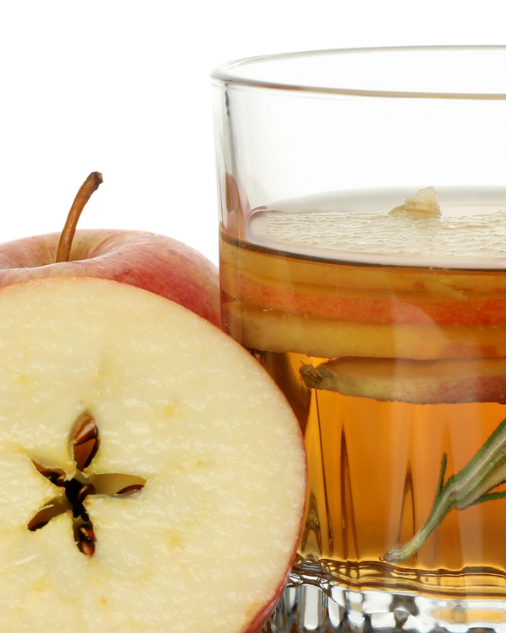
In the context of dieting, the apple cider vs apple juice for weight loss debate is centered on “liquid calories.”
The Reality of Liquid Calories
Neither beverage is a “weight loss drink.” An 8-ounce serving of either contains roughly 120 calories.
Because these calories are liquid and lack significant fiber, they do not trigger the “fullness” hormones in the brain the same way a whole apple does.
Portion Control Strategies
If you are trying to lose weight but love the taste of apples, the best strategy is dilution. Mixing 4 ounces of apple cider with 4 ounces of sparkling water creates a “cider spritz” that provides the bold flavor of cider with half the calories.
When asking apple cider vs apple juice, which is healthier for a diet, cider often wins slightly because its more intense flavor profile allows you to feel satisfied with a smaller serving size.
Apple Cider vs Apple Juice
The sensory experience is perhaps the most obvious area where these two drinks diverge. The apple cider vs apple juice taste test usually reveals a clear winner depending on the taster’s preference for sweetness or complexity.
Sweetness vs. Tartness
Apple juice is characterized by a “clean” sweetness. It is consistent, smooth, and predictable. Because it is filtered, the natural acids are less pronounced, resulting in a mild, sugary finish that appeals greatly to children.
Apple cider, on the other hand, is a symphony of flavors. It is often described as “tangy,” “earthy,” and “robust.” Depending on the blend of apples used (sweet vs. tart), cider can have a sharp, acidic bite followed by a deep, spicy sweetness.
Texture and Mouthfeel
Texture is a major component of the apple cider vs apple juice taste. Juice is thin and watery, while cider has a “creamy” or “velvety” mouthfeel caused by the suspended apple particles. This makes cider feel like a more substantial “food” rather than just a drink.
Apple Cider vs Apple Juice in Cooking & Baking
Culinary experts often have very strong opinions on apple cider vs apple juice in cooking. Because their chemistry is different, they behave differently when exposed to heat.
Marinades and Brines
When it comes to apple cider vs apple juice for brine (especially for Thanksgiving turkey or pork chops), apple cider is the superior choice.
Its natural acidity helps break down muscle fibers more effectively than the more neutral apple juice. Additionally, the sediment in the cider adds a layer of “crust” and caramelized flavor to the meat that juice cannot replicate.
Baking Substitutions
Can I use apple juice in place of apple cider? In most baking recipes, like apple cider donuts or cakes, you can substitute juice for cider, but you will lose the depth of flavor.
If you must use juice, adding a teaspoon of lemon juice and a dash of cinnamon can help mimic the tartness and complexity of cider.
Reductions and Sauces
For sauces and glazes, apple cider is preferred because it reduces into a thicker, more flavorful syrup. The solids in the cider contribute to a richer consistency, whereas apple juice simply becomes a very sweet, thin syrup.
Apple Cider vs Apple Juice for Alcohol & Fermentation
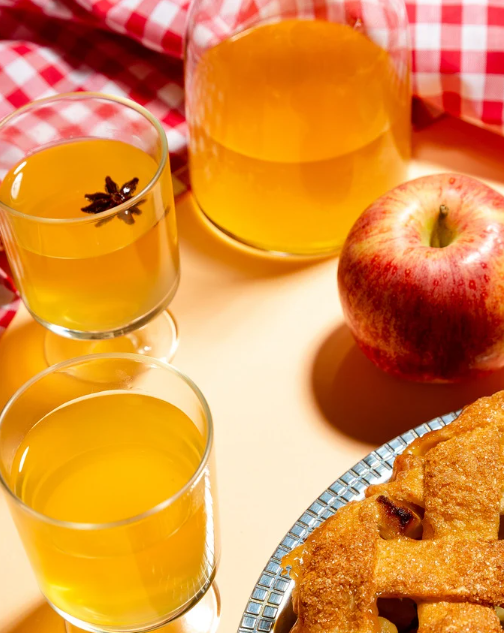
For those interested in home-brewing, the distinction between these two is vital.
Suitability for Fermentation
Is apple cider just unfiltered apple juice? In the context of fermentation, the answer is no. Apple cider is the ideal base for “Hard Cider” because it contains natural yeasts (if unpasteurized) and the complex sugars necessary for a flavorful alcoholic beverage.
Why Juice Struggles in Fermentation
While you can technically ferment apple juice, the resulting alcohol often tastes “thin” or “flat” because the filtration process has removed the tannins and proteins that provide body and structure to the drink.
Most professional cidermakers would never use standard “clear” apple juice as their primary base.
Martinelli’s Apple Cider vs Apple Juice
When shopping, consumers often notice that some brands, like the iconic Martinelli’s, offer both products year-round in nearly identical glass bottles.
This leads to the question: What is the actual difference between Martinelli’s apple cider and apple juice?
Ingredient and Nutritional Differences
According to Martinelli’s own specifications, their apple juice and apple cider are both made from 100% U.S.-grown fresh apples. They contain no added water, preservatives, or sweeteners.
- The Juice: It is filtered to remove all solids, resulting in the clear, sparkling gold color.
- The Cider: While Martinelli’s “cider” is technically more of a “cloudy juice,” it is processed to retain more of the apple’s natural character and sediment.
In terms of nutrition, they are virtually identical on the label, but the cider version is often preferred by those who want a more “orchard-fresh” taste during the off-season.
Apple Cider vs Apple Juice: Reddit Opinions & Common Myths
The internet is full of “folk wisdom” regarding these two drinks. By looking at Apple Cider vs. Apple Juice Reddit threads and culinary forums, we can separate fact from fiction.
“Cider is always unpasteurized.”
The Fact: In 2026, almost all cider sold in major grocery stores is pasteurized for safety. While you can find “raw” cider at local farms, commercial cider uses flash-pasteurization to kill bacteria like E. coli while preserving flavor.
“Juice is just watered-down cider.”
The Fact: High-quality apple juice is not watered down; it is simply highly filtered. However, lower-end “apple drinks” may use juice concentrate and water, which is a different product entirely.
“Cider is healthier for diabetics.”
The Fact: Both drinks have a high glycemic index. While the trace fiber in cider is better than none, anyone monitoring blood sugar should treat both as a “treat” rather than a daily beverage.
Apple Cider vs Apple Juice — Which Should You Choose?
After a deep dive into the processing, nutrition, and culinary applications, the choice between apple cider and apple juice comes down to your intent.
Choose Apple Juice If:
- You need a beverage that is shelf-stable and convenient for long-term storage.
- You prefer a clean, sweet taste without the “grit” of sediment.
- You are making a recipe that requires a clear liquid (like a jelly or a clear cocktail).
Choose Apple Cider If:
- You are looking for the healthiest option with the highest level of antioxidants.
- You are cooking or brining and need acidity to tenderize meat.
- You want a bold, seasonal flavor that captures the essence of a fresh orchard.
Is it better to drink apple juice or apple cider? If health and flavor complexity are your priorities, apple cider is the winner. If convenience and a child-friendly palate are the goals, apple juice remains the gold standard. Regardless of your choice, both offer a delicious way to enjoy the “King of Fruits.”
Frequently Asked Questions (FAQ)
What’s the difference between apple juice and cider?
The primary difference is filtration. Apple juice is filtered to be clear and shelf-stable, while apple cider is unfiltered, cloudy, and usually requires refrigeration.
Is apple cider just unfiltered apple juice?
In the United States, yes. Most “cider” is simply the raw, pressed liquid from the apple before it undergoes the clarification process that turns it into “juice.”
Can I use apple juice in place of apple cider?
Yes, you can substitute them in a 1:1 ratio in most recipes. However, you may need to add a splash of lemon juice or extra spices (cinnamon/cloves) to the juice to match the complex, tart flavor profile of cider.
Which is better, apple juice or cider?
It depends on the goal. For a child’s lunchbox or a clear cocktail, apple juice is better. For a savory pork brine, autumn baking, or maximum antioxidants, apple cider is the superior choice.
Does apple cider have more sugar than apple juice?
Generally, no. Both contain roughly 24–28g of natural fruit sugar per cup. Any difference in sugar is usually due to the specific variety of apples used (e.g., Fuji vs. Granny Smith) rather than the processing method.
Conclusion
In the final assessment of apple cider vs apple juice, it is clear that neither is objectively “better” in a vacuum; rather, each serves a distinct purpose in the modern kitchen and a healthy lifestyle.
The difference between apple cider and apple juice is a testament to how processing can transform a single ingredient—the humble apple—into two entirely different sensory and nutritional experiences.
If your goal is to maximize your intake of natural antioxidants and polyphenols, then apple cider is the clear winner. Its cloudy, unfiltered nature preserves the vital plant compounds that are often stripped away during the clarification of juice.
Furthermore, for the culinary enthusiast, the acidity and complexity of cider make it an irreplaceable tool for brining meats and creating deep, caramelized reductions.
Conversely, apple juice remains the gold standard for convenience, shelf-stability, and a child-friendly palate.
Its refined sweetness and smooth texture make it a reliable, year-round staple that integrates seamlessly into lunchboxes and clear cocktail recipes.
Is it better to drink apple juice or apple cider? For a 2026 health-conscious audience, the verdict is to treat both as a “functional treat.”
By understanding their nutritional profiles and culinary strengths, you can choose the right bottle for the right moment—opting for the rustic, bold spirit of cider in the autumn and the clear, consistent refreshment of juice whenever convenience calls.
Authoritative References
1. USDA FoodData Central – Standard Reference for Apple Beverages
2. Cornell University (CALS) – The Science of Cider and Juice Production
3. American Heart Association (AHA) – Managing Sugars in Beverages
4. Academy of Nutrition and Dietetics – The Health Impact of Juicing
5. North Carolina State University – Apple Cider Safety and Handling
