

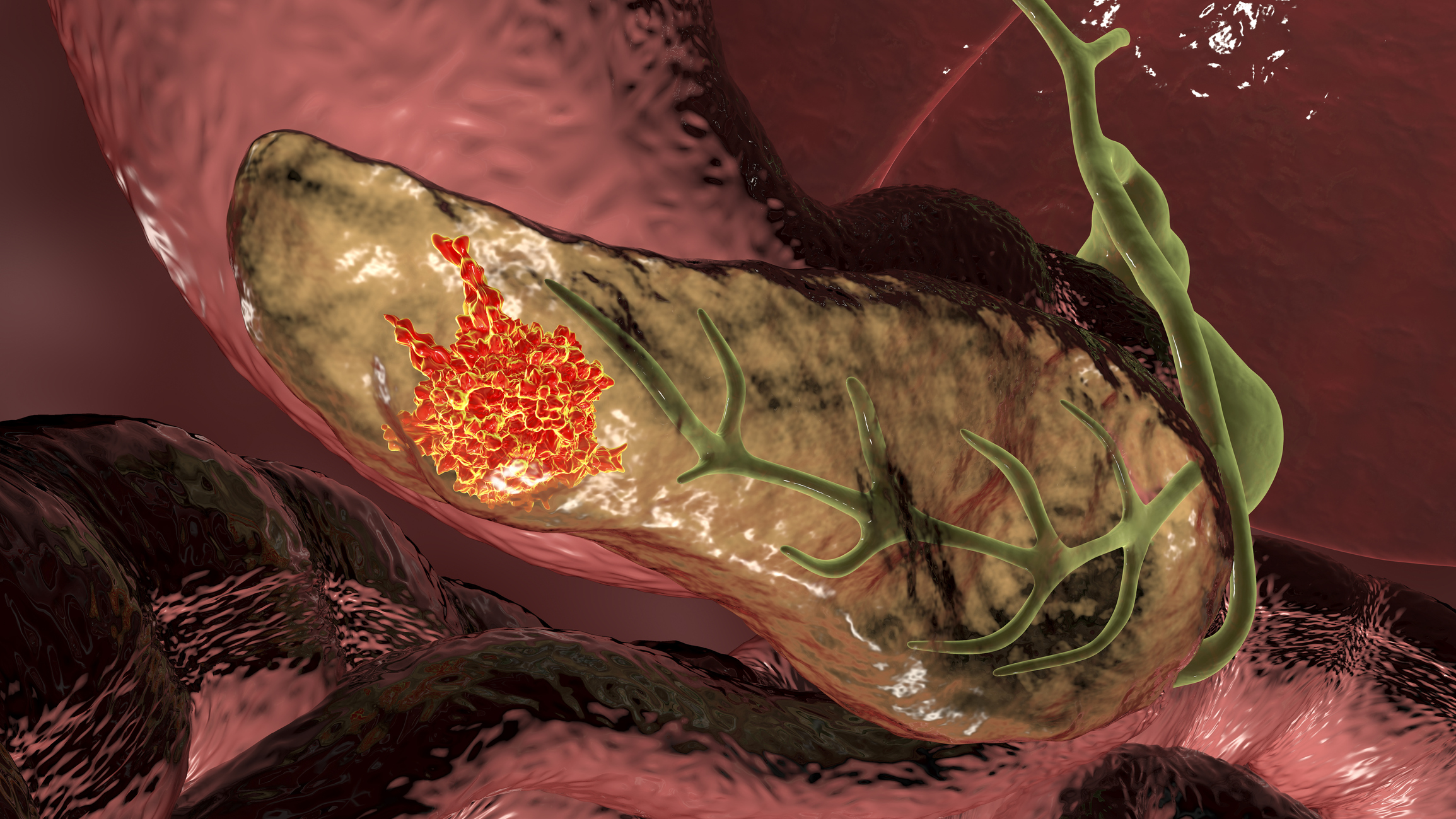
Pancreatic ductal adenocarcinoma is one of the most lethal cancers, largely because it is usually diagnosed too late for effective treatment. Once symptoms appear, the disease has often already spread, leaving surgery, currently the only curative option, off the table for most patients. As a result, only about one in ten people diagnosed with pancreatic cancer survive more than five years.
A new NIH-supported study, published in Clinical Cancer Research, suggests that earlier detection may finally be within reach. Researchers at the University of Pennsylvania Perelman School of Medicine and the Mayo Clinic have identified a blood-based biomarker panel that could help detect pancreatic cancer at earlier stages, when treatment is more likely to succeed.
Why early detection has remained elusive
Unlike cancers such as breast or colorectal cancer, pancreatic cancer has no established screening test for the general population. Imaging-based surveillance is typically reserved for small groups of people at very high risk, such as those with strong family histories or inherited cancer syndromes. For everyone else, clinicians have had little to work with.
The blood marker CA19-9 is commonly used to monitor treatment response in pancreatic cancer, but it has proven unreliable as a screening tool. CA19-9 can be elevated in non-cancerous conditions such as pancreatitis or bile duct obstruction, and some people do not produce it at all due to genetic factors. On its own, it lacks the specificity and sensitivity needed to catch cancer early.
Adding new markers to an old test
To overcome these limitations, the research team took a systematic approach, analyzing banked blood samples from patients with pancreatic cancer and from people without the disease. In addition to CA19-9 and another previously studied marker, thrombospondin-2 (THBS2), they identified two proteins that were consistently elevated in patients with early-stage pancreatic cancer: aminopeptidase N (ANPEP) and polymeric immunoglobulin receptor (PIGR).
When all four markers were combined into a single test, performance improved substantially. The four-marker panel correctly distinguished pancreatic cancer cases from non-cancer controls nearly 92% of the time across all stages, while maintaining a low false-positive rate. Importantly, for early-stage disease, when tumors are still potentially curable, the test identified nearly 88% of cases.
“By adding ANPEP and PIGR to the existing markers, we’ve significantly improved our ability to detect this cancer when it’s most treatable,” said study lead investigator Kenneth Zaret, PhD, of the University of Pennsylvania.
Separating cancer from benign disease
One of the most promising aspects of the test is its ability to distinguish pancreatic cancer not only from healthy individuals, but also from people with non-cancerous pancreatic conditions such as pancreatitis. This has been a major obstacle in past screening efforts, as inflammation-related diseases can mimic cancer in both symptoms and blood markers.
The new panel’s ability to separate malignant from benign disease suggests it could be particularly useful in clinical decision-making—helping identify which patients should move quickly to imaging or further diagnostic workup, and which may be spared unnecessary invasive procedures.
A step toward precision screening
The researchers emphasize that this study represents an important but early step. The analysis was retrospective, using blood samples collected at the time of diagnosis. Larger studies will be needed to determine whether the test can detect pancreatic cancer before symptoms develop, particularly in people known to be at higher risk due to genetics or medical history.
“Our retrospective study findings warrant further testing in larger populations, particularly in people before they show symptoms,” Zaret said. “Such ‘prediagnostic’ studies would help determine if the test could be used as a screening tool for people at high risk.”
Still, the implications are significant. A low-cost, minimally invasive blood test that reliably identifies early pancreatic cancer would mark a major shift in how the disease is managed—moving from late-stage reaction to earlier, more precise intervention.
If validated in future studies, this four-marker panel could become an important tool in precision oncology, helping clinicians identify pancreatic cancer sooner and giving patients a better chance at long-term survival.
