

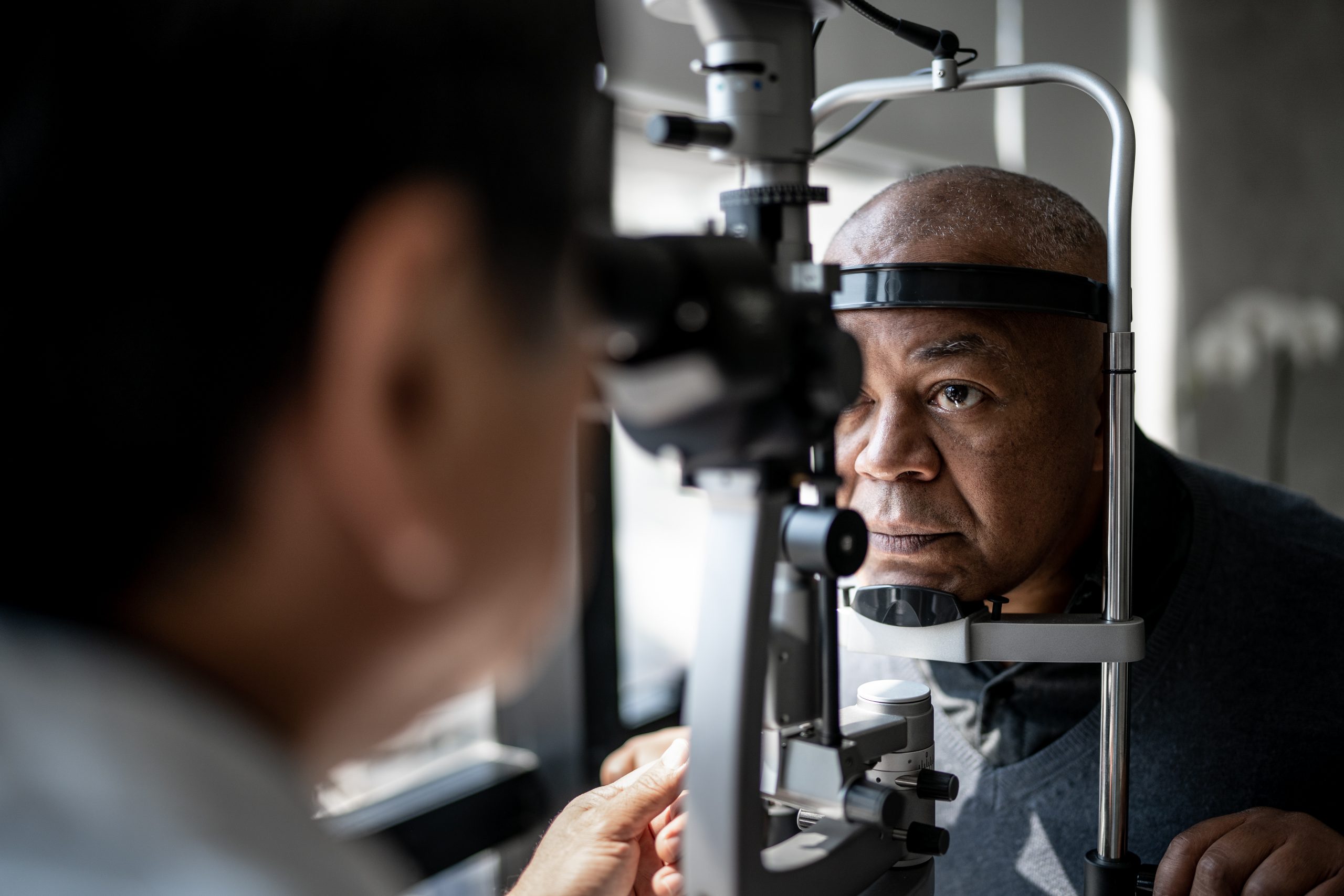
A medication commonly prescribed to treat type 2 diabetes, metformin, can help protect against the development of a common cause of blindness known as age-related macular degeneration (AMD).
AMD is a chronic, progressive disease of the macula, the central part of the retina in the eye responsible for sharp, detailed, central vision. It affects more than 18 million people in the U.S. and estimates suggest that around one in 10 people over the age of 40 years have some degree of AMD.
“There is considerable interest in the effects of metformin… on aging and AMD,” write lead investigator and author Nicholas Beare, MD, a clinician researcher at the University of Liverpool, and colleagues in BMJ Open Ophthalmology.
“Repurposing drugs with beneficial effects on AMD offers a promising route to new treatment options that are likely to be readily available, cost-effective and safer for patients.”
In the current study, Beare and colleagues evaluated data from 2,545 people with type 2 diabetes aged 50 years or older who initially attended eye screening for diabetic retinopathy in 2011.
Of the 2,545 people who enrolled in the study, follow up retinal imaging (color fundus photographs) was carried out at five years in 2,089 people. Of these, 836 were prescribed metformin and 1,253 were not taking metformin.
At the beginning of the study, 284 participants had early AMD, 90 intermediate AMD, and 12 late AMD. During the follow-up period there were 188 cases of incident early AMD, 190 of incident intermediate AMD, and 44 of incident late AMD.
Metformin use seemed to have a significant protective effect against AMD, as there were 80, 58, and 10 incident cases of early, intermediate, and late AMD, respectively, in the metformin group versus a respective 108, 132, and 34 in the group not taking metformin.
After adjusting for possible confounding factors, metformin use significantly reduced the risk of incident intermediate AMD by 37%. Risk for developing late AMD was reduced by 57% in the metformin group, but statistical significance disappeared after correcting for age and sex. Risk for early AMD was not significantly influenced by metformin use in this study.
These findings add to those of other researchers showing that metformin could help protect against or slow progression of AMD, but remain observational.
“Most people who suffer from AMD have no treatment, so this is a great breakthrough in our search for new treatments,” said Beare in a press statement. “What we need to do now is test metformin as a treatment for AMD in a clinical trial. Metformin has the potential to save many people’s sight.”
