

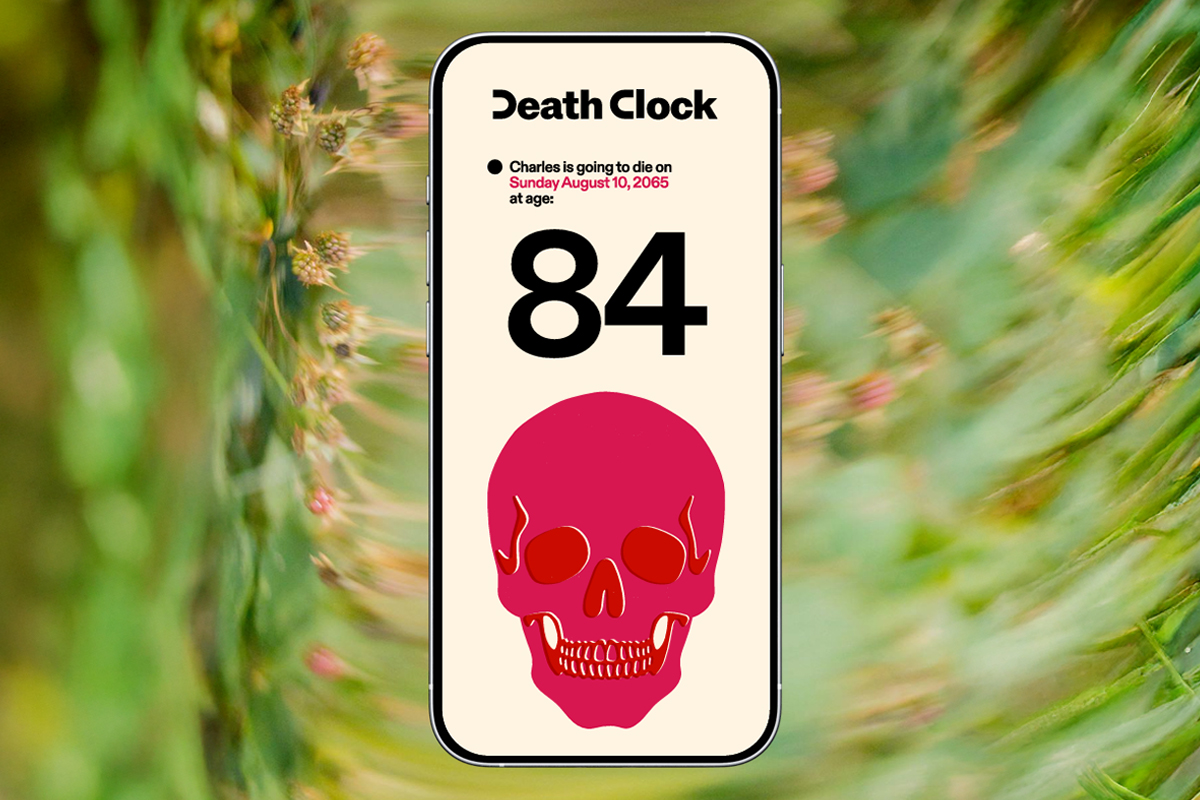
Death Clock adds AI-powered blood biomarker analysis and preventive health guidance in new Life Lab offering.
Provocatively-named digital health startup Death Clock has launched an AI-driven tool designed to make longevity services offered by concierge medicine and elite wellness clinics more accessible to a mass audience. The San Francisco–based company, best known for its mortality-prediction app, is expanding its offering with Life Lab, described as an “AI health concierge” that combines laboratory testing and personalized health planning within the existing app.
Already boasting more than a million downloads, Death Clock’s death prediction app was initially something of a novelty, but the company now appears to be getting more serious by shifting its focus into the realm of AI-enabled preventive health guidance.
As before, the user experience begins with an initial 29-question assessment, but Death Clock has now upped the ante by partnering with major US blood labs spanning thousands of testing locations across the country. With packages ranging from $99 up to $299 depending on the range of biomarkers to be assessed, users can either complete blood work at partner sites or upload their existing results.
From there, Death Clock’s AI, trained on more than 1,200 “longevity studies,” generates two projected timelines: a current predicted death date and a separate “potential” date that estimates how long a user might live under more optimized health conditions. Life Lab has been developed to help people close the gap between those two numbers.
“With Life Lab, we’ve built the future of preventative health,” said Death Clock founder Brent Franson. “Whether you use our partner labs or upload results from your own doctor, the Life Lab AI acts as your concierge, translating complex data into a personalized longevity roadmap that helps you execute on being healthier every day.”
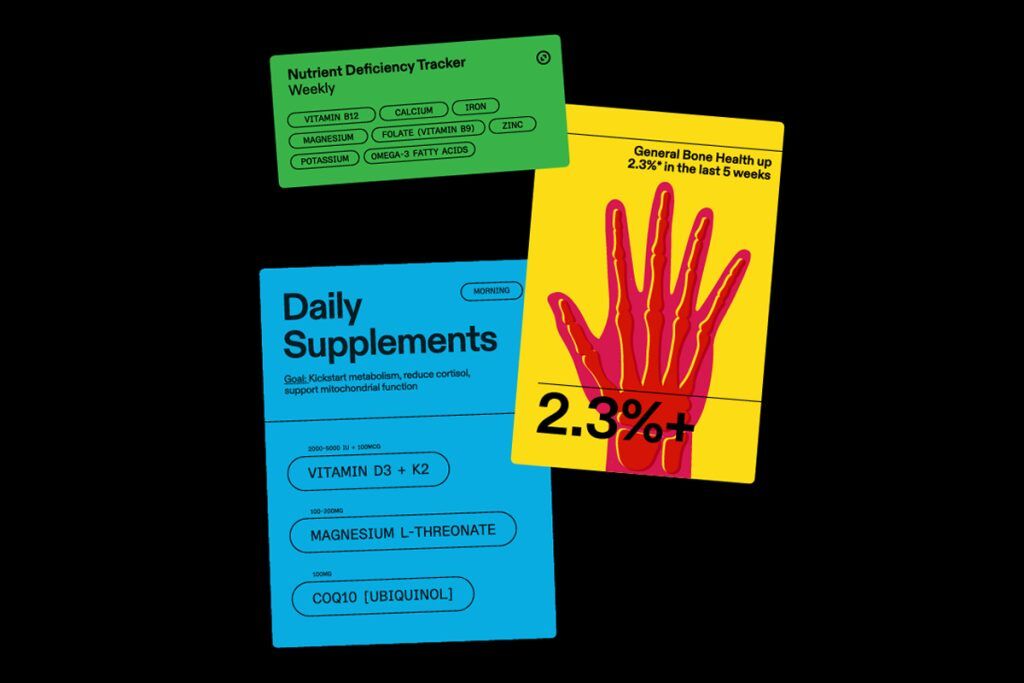
The report generated by Life Lab is built around what the company calls a “clinical offensive” against four major chronic disease categories – heart disease, cancer, diabetes, and dementia. It offers tailored screening recommendations, evidence-based guidance around medications or supplements, and an assessment of behaviors that may be helping or hindering a user’s health.
As Death Clock increasingly seeks to become a centralized hub where users can aggregate their medical records, lab results, and wearable data, it appears the company is trying to convert consumers’ curiosity about their mortality into a more sustained engagement with preventive health.
