

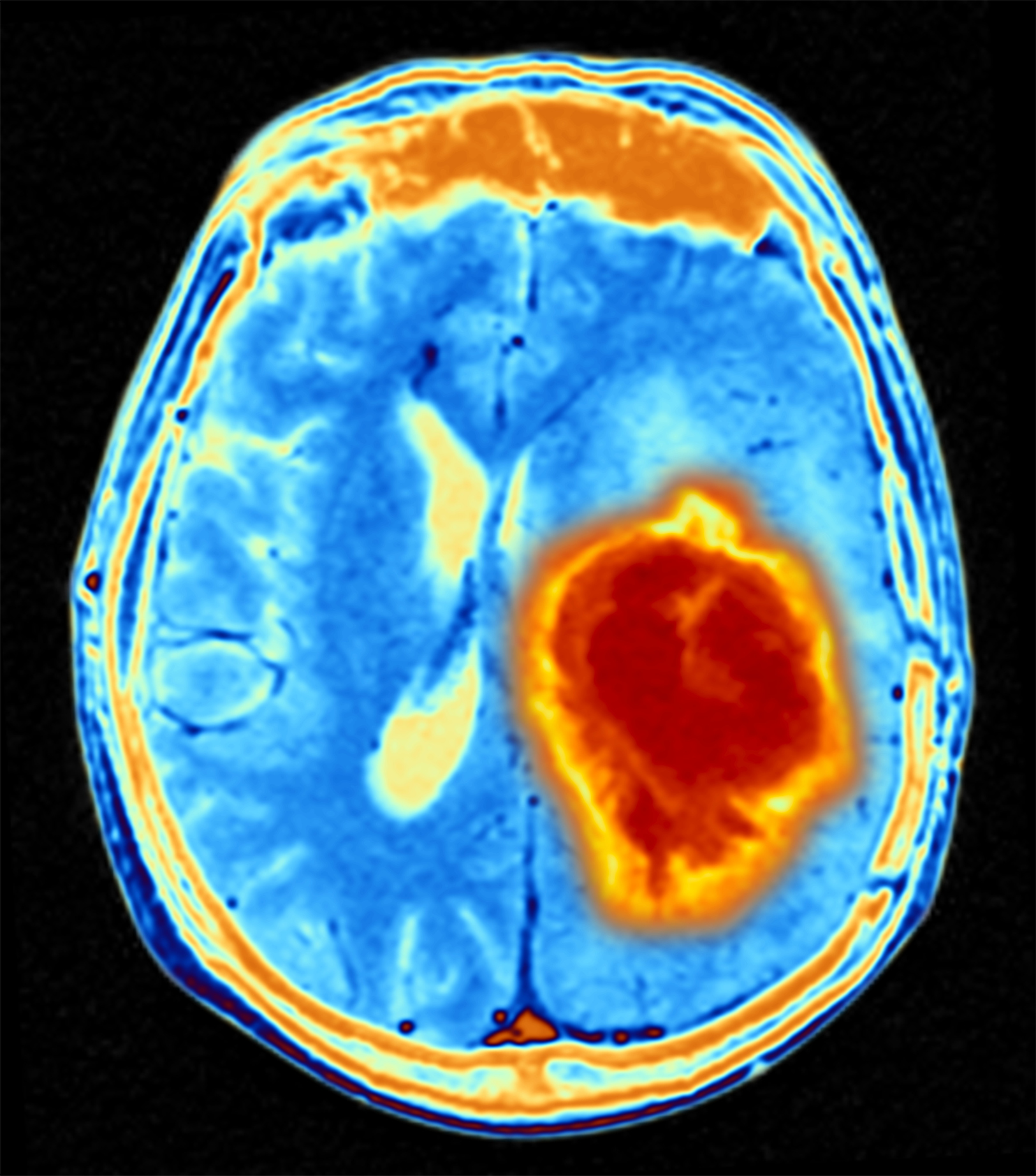
An AI tool that can accurately apply information gleaned from unlabeled brain magnetic resonance images (MRIs) to diverse clinical tasks and could transform neurological care.
The generalizable foundation model BrainIAC, outlined in Nature Neuroscience, provides a powerful foundation on which to develop imaging-based deep learning tools that could be used in a clinical setting.
BrainIAC was able to learn from large, unlabelled data—which are far more widely available than annotated, task-specific datasets—but could also use very limited training data in several clinical settings.
It outperformed publicly available foundation models in several areas, from brain aging to survival to cancer subtype prediction.
“BrainIAC has the potential to accelerate biomarker discovery, enhance diagnostic tools and speed the adoption of AI in clinical practice,” said researcher Benjamin Kann, MD, from Mass General Brigham.
“Integrating BrainIAC into imaging protocols could help clinicians better personalize and improve patient care.”
The high-dimensional, heterogeneous nature of brain MRI data presents unique challenges for the development of analytical and predictive models.
In an attempt to improve on the current tools available, Kann and team created BrainIAC—a foundation model designed to learn generalized representations from unlabeled training data.
The general, multiparametric brain MRI foundation model was developed using the principles of self-supervised learning and evaluated on 48,965 multiparametric brain MRI scans spanning several demographic and clinical settings.
Its abilities were then compared with traditional supervised learning approaches and transfer learning from pretrained medical imaging networks.
BrainIAC consistently outperformed traditional supervised models and transfer learning from more general biomedical imaging models over a wide range of applications on healthy and disease-containing scans with minimal fine-tuning.
It was able to predict mild cognitive impairment from MRI images more accurately than the 3D medical-imaging-specific pretrained model MedicalNet, as well as the segmentation-specific foundation model BrainSegFounder and localized supervised training Scratch model.
The same was true in predictions of brain age, which are associated with neurocognitive function and could be used as an early biomarker of Alzheimer’s disease.
BrainIAC was better able to predict brain tumor mutational subtypes, providing more accurate information that could aid their clinical management where tissue biopsy is not possible. The same was true for glioma segmentation, which can help with assessing tumor burden, treatment planning and disease monitoring.
It also had superior accuracy for predicting survival after diagnosis with glioblastoma multiforme cancer.
In addition, BrainIAC outperformed other models in predicting time since the onset of stroke, which can help clinicians optimize the selection of treatments, some of which are time sensitive.
“With minimal fine-tuning, BrainIAC can raise the bar for performance on several MRI tasks,” the researchers reported.
“Our findings suggest that a BrainIAC foundation pipeline could replace traditional supervised learning strategies for brain MRI and allow for the development of models adaptable to challenging tasks in data-limited scenarios that were previously thought infeasible.”
