

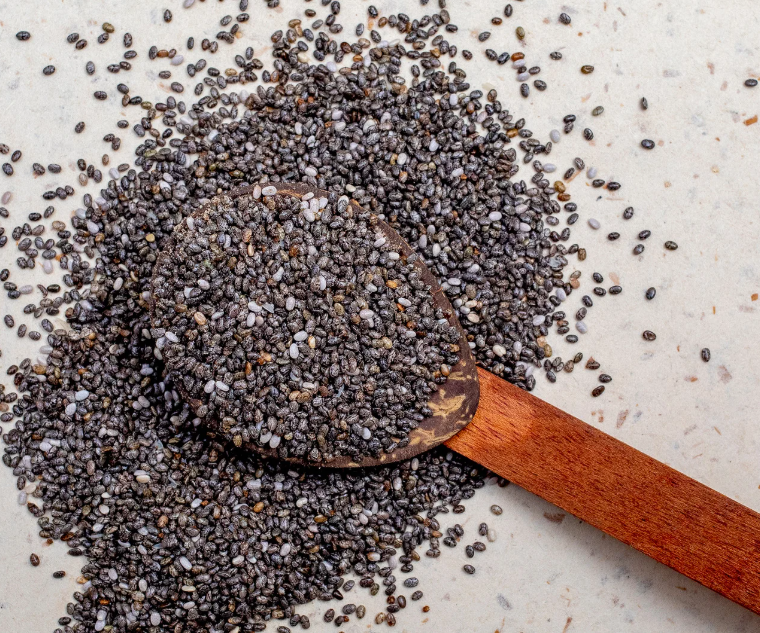
In the ever-evolving world of superfoods, few ingredients have maintained such a dominant presence as the chia seed (Salvia hispanica). While these ancient seeds were once the primary fuel for Aztec and Mayan warriors, modern nutritional science has uncovered a specifically profound impact on women’s wellness.
When discussing chia seeds’ benefits for females, we are not just looking at a simple dietary addition; we are looking at a functional powerhouse that addresses the unique biological, hormonal, and metabolic needs of the female body.
For women, nutrition is rarely just about calories; it is about managing a complex endocrine system, maintaining skin elasticity through various life stages, and supporting bone density. What are chia seeds for females?
They are one of the most concentrated sources of Alpha-Linolenic Acid (ALA)—a plant-based Omega-3—as well as soluble fiber, high-quality protein, and essential minerals like calcium and magnesium.
Whether you are looking to balance your hormones, improve your skin’s natural glow, or find a sustainable way to manage weight, understanding what the benefits of chia seeds for females are can be a game-changer.
This comprehensive 2026 guide will dive deep into the physiological transformations that occur when women integrate these seeds into their daily routine, providing science-backed insights into fertility, pregnancy, and long-term health.
What Do Chia Seeds Do to the Female Body?
To understand what chia seeds do to the female body, one must look at the intersection of fiber and fatty acids. The female body is governed by a delicate dance of estrogen and progesterone. When this balance is disrupted, it leads to issues ranging from adult acne and hair thinning to metabolic resistance.
Nutrient Profile and Bioavailability
The benefits of chia seeds for females begin with their structural composition. A single two-tablespoon serving provides approximately 11 grams of fiber, which is nearly half of the daily recommended intake for women.
This fiber isn’t just for digestion; it acts as a filter for the endocrine system. By binding to excess estrogen in the digestive tract, chia seeds help prevent “estrogen dominance,” a condition common in modern women that leads to heavy periods and mood swings.
Hormonal Balance and Inflammation
Furthermore, the high concentration of Omega-3 fatty acids helps reduce systemic inflammation. For females, inflammation often manifests as polycystic ovary syndrome (PCOS) symptoms or endometriosis pain.
The ALA in chia seeds provides the precursors necessary for the body to produce anti-inflammatory prostaglandins, which soothe the internal environment of the female reproductive system.
Energy and Bone Density
Finally, chia seeds are a mineral goldmine. With more calcium per gram than most dairy products, they support the female skeletal system, which is particularly vulnerable to density loss as estrogen levels fluctuate with age.
10 Benefits of Chia Seeds for Females
If you are looking for a quick breakdown of the benefits of chia seeds for females, here are the ten most significant ways these tiny seeds transform women’s health:
- Estrogen Regulation: The lignans and fiber in chia seeds help metabolize and excrete used hormones, preventing hormonal “recycling.”
- Sustained Weight Management: The hydrophilic properties of chia seeds (expanding 12x in size) promote fullness and curb emotional eating.
- Enhanced Skin Elasticity: High antioxidant levels protect skin cells from oxidative stress and premature aging.
- Hair Follicle Strength: The combination of protein, phosphorus, and zinc encourages hair growth and reduces shedding.
- Osteoporosis Prevention: High levels of calcium, magnesium, and boron support long-term bone health.
- Gut Microbiome Support: Soluble fiber acts as a prebiotic, which is essential for a healthy “gut-brain axis” in women.
- Cardiovascular Protection: Omega-3s help maintain healthy cholesterol levels and blood pressure.
- Fertility Enhancement: Healthy fats support egg quality and regulate the ovulation cycle.
- Blood Sugar Stabilization: Prevents the insulin spikes that can lead to hormonal acne and energy crashes.
- Natural Detoxification: Supports the liver in processing toxins, leading to clearer skin and brighter eyes.
Chia Seeds Benefits for Females and Hormones
The relationship between chia seeds’ benefits for females and hormones is perhaps the most significant reason for women to adopt this superfood. The female endocrine system is highly sensitive to dietary fats.
Omega-3 and Estrogen Balance
Chia seeds provide a dense source of healthy fats required for hormone synthesis. Unlike saturated fats, the ALA in chia seeds supports the fluidity of cell membranes, allowing hormones to communicate more effectively.
This is particularly beneficial for women transitioning through perimenopause, where erratic estrogen drops can cause hot flashes and night sweats.
PMS and Mood Support
During the luteal phase of the menstrual cycle, many women experience a drop in serotonin, leading to PMS-related irritability. The magnesium in chia seeds—often called “nature’s relaxant”—helps soothe the nervous system.
By stabilizing blood sugar, chia seeds also prevent the “hangry” episodes that can exacerbate mood swings during the premenstrual window.
Chia Seeds Benefits for Females During Periods
Monthly cycles can be a time of significant physical drain. Utilizing chia seeds benefits for females during periods can help mitigate the most common discomforts associated with menstruation.
Cramp Reduction and Anti-Inflammatory Action
Menstrual cramps are caused by high levels of prostaglandins that make the uterus contract. Because the Omega-3s in chia seeds are naturally anti-inflammatory, they can help reduce the severity of these contractions.
Many women report that consistent chia consumption leads to a noticeable reduction in the need for over-the-counter pain relief.
Replenishing Vital Minerals
Women lose iron during their periods, which can lead to fatigue and “brain fog.” While chia seeds aren’t a replacement for red meat or spinach, they do provide a helpful boost of plant-based iron.
Furthermore, the magnesium content helps alleviate period-related bloating by acting as a gentle natural diuretic, helping the body release excess water retention.
Chia Seeds Benefits for Female Fertility
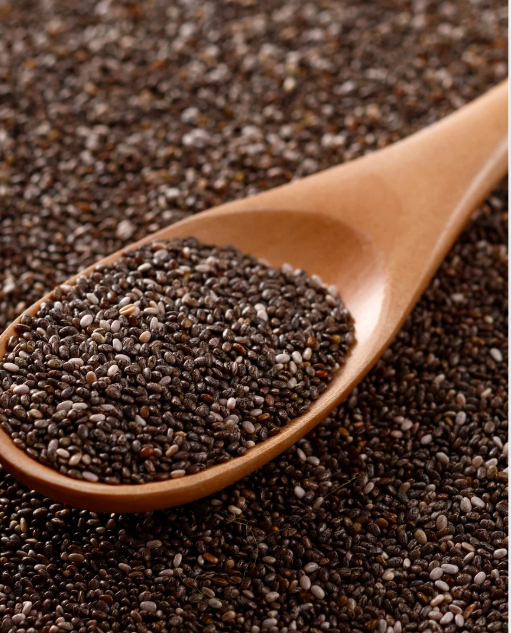
When it comes to reproductive health, chia seeds’ benefits for female fertility are centered around creating an optimal internal environment for conception.
Ovulation Support and Egg Quality
Fertility is deeply tied to the quality of the fats in a woman’s diet. The Omega-3 fatty acids found in chia seeds are essential for maintaining the health of the egg’s outer membrane.
Healthy membranes ensure that the egg is receptive to fertilization and can successfully implant in the uterine lining.
Pre-conception Nutrition
Beyond fats, the folate (Vitamin B9) found in chia seeds is crucial during the pre-conception phase. Folate is necessary for DNA synthesis and helps prevent neural tube defects in the very early stages of pregnancy—often before a woman even knows she is pregnant.
By including chia seeds in a daily “fertility diet,” women can ensure their mineral stores are topped up before the demanding journey of pregnancy begins.
Chia Seeds Benefits for Females in Pregnancy
Pregnancy is perhaps the most nutritionally demanding phase of a woman’s life. Chia seeds’ benefits for females in pregnancy address three of the most common challenges faced during the three trimesters: digestive sluggishness, fetal development, and blood sugar management.
Fiber for Pregnancy-Induced Constipation
As progesterone levels rise during pregnancy, the digestive system naturally slows down. This often leads to significant discomfort and constipation.
Because chia seeds are incredibly high in insoluble fiber, they help maintain regular bowel movements without the need for harsh laxatives.
Omega-3 for Fetal Brain Development
The DHA required for a baby’s brain and eye development is often synthesized from the ALA found in chia seeds.
While many women take prenatal fish oils, chia seeds offer a sustainable, plant-based way to “stack” these essential fatty acids.
Safety and Portion Control
While beneficial, should stick to a standard dose of 1 to 2 tablespoons per day.
Excessive fiber can lead to bloating, which is already a common pregnancy symptom. Always ensure the seeds are fully soaked to avoid any dehydration or esophageal discomfort.
Chia Seeds Benefits for Female Skin & Hair
In the realm of aesthetics, the chia seeds’ benefits for female skin and hair are often compared to high-end topical treatments, but with the added benefit of working from the inside out.
Collagen Support and Elasticity
The skin’s “bounce” and youthful appearance rely on collagen and hydration. Chia seeds are packed with antioxidants, specifically quercetin, which helps fight the free radicals that break down collagen. Furthermore, the healthy fats in chia seeds help reinforce the skin’s lipid barrier, locking in moisture and resulting in a “dewy” complexion.
Hair Strength and Shine
Chia seeds benefits for hair come from their unique amino acid profile. Hair is primarily made of a protein called keratin. Chia seeds provide the l-lysine and phosphorus necessary to fortify the hair shaft, reducing breakage and thinning.
The zinc and copper in the seeds also play a role in preventing premature graying and supporting scalp health.
Chia Seeds Benefits for Females and Weight Loss
For many women, the interest in chia seeds’ benefits for female weight loss stems from the desire for a sustainable, non-restrictive approach to calorie control.
Fiber and Appetite Control
The “secret” to weight loss with chia seeds is their ability to expand in the stomach. This physical expansion triggers the stretch receptors in the stomach wall, sending signals to the brain that you are full.
This can significantly reduce “hedonic hunger” or the urge to snack on sugary foods during the mid-afternoon energy dip.
Blood Sugar Regulation
Weight gain in women is often tied to insulin resistance. The gel formed by chia seeds slows down the absorption of carbohydrates into the bloodstream.
By preventing the “spike and crash” cycle of blood sugar, chia seeds help the body stay in a fat-burning state rather than a fat-storage state.
Best Time to Consume
For maximum weight loss impact, consume chia seeds in the morning. Whether mixed into water or a breakfast bowl, it sets a stable metabolic tone for the rest of the day.
Chia Seeds Benefits for Females Sexually
While rarely discussed in traditional nutrition guides, chia seeds for females sexually are rooted in circulation and hormonal vitality.
Energy and Circulation
Sexual health is deeply tied to blood flow. The Omega-3s in chia seeds support cardiovascular health and vasodilation (the widening of blood vessels), which can improve sensitivity and overall energy levels.
Libido and Stress Reduction
Chronic stress is a major “libido killer” for women. The high magnesium content in chia seeds helps lower cortisol levels. By calming the nervous system and supporting the adrenal glands, chia seeds can indirectly support a healthier sex drive and more balanced intimate energy.
Chia Seeds Benefits for Female Breast Health
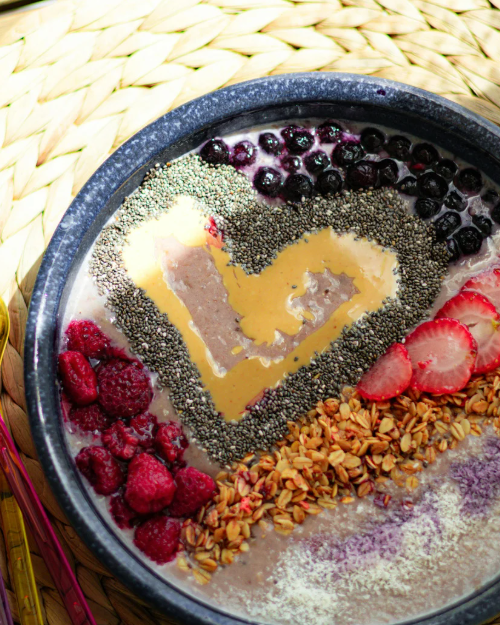
There is a significant amount of misinformation regarding chia seeds’ benefits for female breast health, particularly claims about increasing breast size.
Fatty Acid Support and Hormonal Balance
There is no scientific evidence that chia seeds can increase breast size; any such claims are usually myths. However, they are vital for breast tissue health.
The Omega-3 fatty acids help maintain the health of the fatty tissues that make up the breasts, and their ability to regulate estrogen is essential for reducing the risk of hormone-sensitive breast issues.
Myths vs. Facts
- Myth: Chia seeds contain estrogen that grows breast tissue.
- Fact: Chia seeds contain phytoestrogens, which are much weaker than the body’s natural estrogen and actually help block excess, harmful estrogens from binding to breast cells.
Yogurt with Chia Seeds Benefits for Females
One of the most effective ways to consume this superfood is the “Power Couple” of yogurt with chia seeds, which benefits for female health.
Gut Health Synergy
Yogurt provides probiotics (live bacteria), while chia seeds provide prebiotics (the fiber that feeds those bacteria). This synergy creates a thriving gut microbiome, which is essential for “clear skin” and a strong immune system.
Protein + Fiber Combo
Combining the protein of Greek yogurt with the fiber of chia seeds creates the ultimate satiety snack. This combination prevents the muscle loss that can sometimes occur during weight loss phases and ensures you stay energized during a workout.
How to Use Chia Seeds for Females (Best Ways)
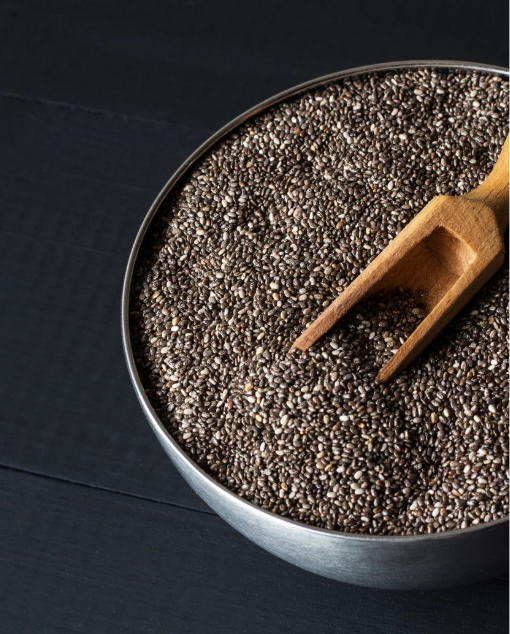
The “best” way to eat chia seeds is the way that you can stick to consistently. However, from a nutritional standpoint, the method of preparation changes how the nutrients are absorbed.
Soaked vs. Raw
For women, especially those with sensitive digestion or prone to bloating, soaking is the gold standard. When you soak chia seeds in water, milk, or juice for at least 20 minutes, they develop a gel-like coating.
This “pre-digests” the fiber, making it much easier on the colon and ensuring the seeds don’t absorb water from your body, which can lead to dehydration.
Integrating into the Daily Routine
- The Morning “Internal Shower”: Mix 1 tablespoon of chia seeds into a glass of warm water with a squeeze of lemon. Drink this 30 minutes before breakfast to jumpstart your metabolism.
- The Smoothie Booster: Add a tablespoon to your morning protein shake. The blender blades will crack some of the seeds, making the Omega-3s even more bioavailable.
- The Healthy Dessert: Create a “Chia Pudding” by mixing 3 tablespoons of seeds with a cup of almond milk and letting it sit overnight. It satisfies the evening sweet tooth while providing a final dose of fiber.
What Happens When You Start Eating Chia Seeds Every Day?
If you decide to make this a daily habit, the body goes through a predictable series of improvements. Here is what to expect on your daily chia seed journey:
- Week 1 (The Digestive Shift): You will likely notice an increase in bowel regularity. Some initial mild bloating is normal as your gut bacteria adjust to the new fiber source.
- Week 2 (The Energy Bridge): You’ll notice that your energy levels remain stable between lunch and dinner. The “3 PM crash” starts to disappear because your blood sugar is no longer spiking and dipping.
- Week 4 (The Skin Glow): By the end of a full month, the anti-inflammatory effects and improved hydration begin to manifest on your face. Skin often appears clearer and more vibrant.
- Month 3 (The Hormonal Balance): After three full cycles, many women report smoother periods, reduced PMS symptoms, and a more stable mood throughout the month.
Chia Seeds Benefits and Side Effects in Females
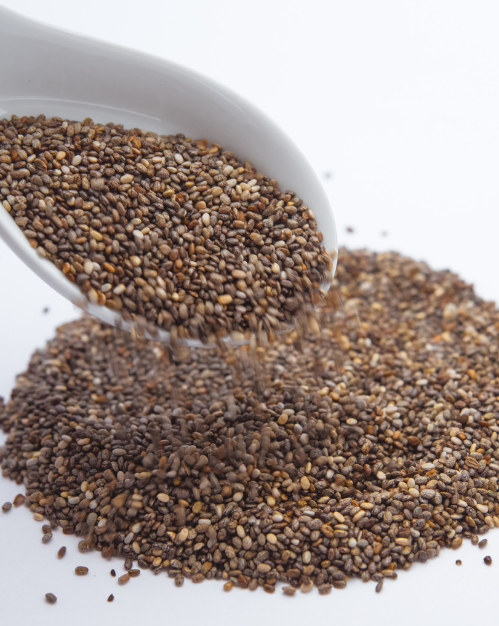
While the list of chia seeds’ benefits and side effects is heavily weighted toward the benefits, “superfoods” must be used with respect. Women should be aware of certain precautions.
Digestive Issues
The most common symptoms in females are gas, bloating, and abdominal cramps. This almost always happens when someone goes from 0 to 2 tablespoons a day overnight. To avoid this, start with one teaspoon and increase the dose every few days.
Overconsumption Risks
Excessive fiber can actually interfere with the absorption of certain minerals if you aren’t drinking enough water. Always remember the rule: More fiber requires more water.
Medication Interactions
Because chia seeds can naturally lower blood pressure and act as a mild blood thinner, women on blood pressure medications or anticoagulants (like Warfarin) should consult their doctor. Similarly, if you are on medication for diabetes, monitor your levels closely, as chia seeds can enhance the blood-sugar-lowering effects of your meds.
What Not to Mix with Chia Seeds?
To get the most out of your seeds and avoid discomfort, you should know what not to mix with chia seeds.
- Dry Consumption Followed by Very Little Water: This is the biggest safety risk. The seeds can expand in the esophagus and cause a blockage.
- Excessive Phytic Acid Foods: While chia seeds contain some phytic acid (which can block mineral absorption), you shouldn’t pair them exclusively with other high-phytate foods like raw beans or unsprouted grains in every meal.
- High-Sugar Syrups: Adding chia seeds to a high-sugar “energy drink” negates the blood-sugar-stabilizing benefits. Stick to water, nut milks, or unsweetened yogurt.
Chia Seeds Benefits for Men Sexually (Brief Comparison)
While our focus is on females, a brief comparison of chia seeds’ benefits for men sexually helps highlight the universal power of the seed. In men, the high zinc and Omega-3 content support testosterone production and sperm motility.
While women use chia seeds primarily for estrogen regulation, men benefit from the cardiovascular boost, which is essential for erectile function and overall stamina.
Frequently Asked Questions About Chia Seeds for Females
This section addresses the most common “People Also Ask” queries to help you navigate your chia seed journey safely.
Is it safe to eat chia seeds every day?
Yes, for most women, it is entirely safe and highly beneficial to eat chia seeds daily. The key is to maintain a portion size of 1 to 2 tablespoons and ensure you are drinking at least 8 ounces of water for every tablespoon consumed.
If you have a history of esophageal narrowing or severe digestive blockages, consult a doctor before making them a daily staple.
What do chia seeds do to the female body?
As established, they provide a “functional blueprint” for health. They balance estrogen by flushing out excess hormones through fiber, support bone density with calcium, and provide the Omega-3s necessary for brain health and skin elasticity.
Essentially, they act as an internal regulator for the endocrine and digestive systems.
What’s the best way to eat chia seeds?
From a bioavailability standpoint, soaked chia seeds are the best. Soaking for at least 20 minutes (or overnight) ensures the seeds don’t dehydrate you and makes the minerals inside more “bioavailable” or easier for your body to absorb.
What not to mix with chia seeds?
Avoid mixing chia seeds with dehydrated foods or sugary energy drinks. Mixing them with dry protein powder or thick nut butter without adding water creates a sticky paste that can be a choking hazard. Furthermore, sugar negates the blood-sugar-stabilizing benefits of the fiber.
Can chia seeds change your period?
While they don’t change the biological mechanism of menstruation, the high Omega-3 and magnesium content can lead to lighter cramps and reduced bloating. By helping the body process estrogen more efficiently, many women find their cycle becomes more “predictable” and less symptomatic.
Conclusion
As we have explored in this comprehensive 2026 guide, the chia seeds’ benefits for females extend far beyond simple nutrition; they represent a holistic approach to managing the female biological experience.
From the hormonal shifts of puberty and the menstrual cycle to the demanding phases of pregnancy and the transition into menopause, chia seeds provide the essential fatty acids, fiber, and minerals necessary to navigate these changes with resilience.
The “magic” of the chia seed lies in its ability to address the root causes of many common female health concerns—inflammation, hormonal imbalance, and metabolic sluggishness.
By integrating just two tablespoons into your daily routine—whether via a morning “internal shower,” a protein-packed yogurt bowl, or a skin-nourishing smoothie—you are investing in long-term bone density, cardiovascular health, and a radiant complexion.
Ultimately, what do chia seeds do to the female body? They provide the structural and chemical support needed for your body to function at its peak.
As you begin your journey with these ancient seeds, remember to prioritize hydration, start with manageable doses, and listen to your body’s feedback.
With consistency, the chia seed can become a lifelong partner in your pursuit of vibrant health.
Authoritative References
1. Harvard T.H. Chan School of Public Health – Chia Seeds
2. National Institutes of Health (NIH) – The Antioxidant and Anti-Inflammatory Potential of Chia
3. Mayo Clinic – Nutrition and Healthy Eating: Chia Seeds FAQ
4. Cleveland Clinic – 7 Benefits of Chia Seeds
5. Academy of Nutrition and Dietetics – The Role of Seeds in a Healthy Diet
