

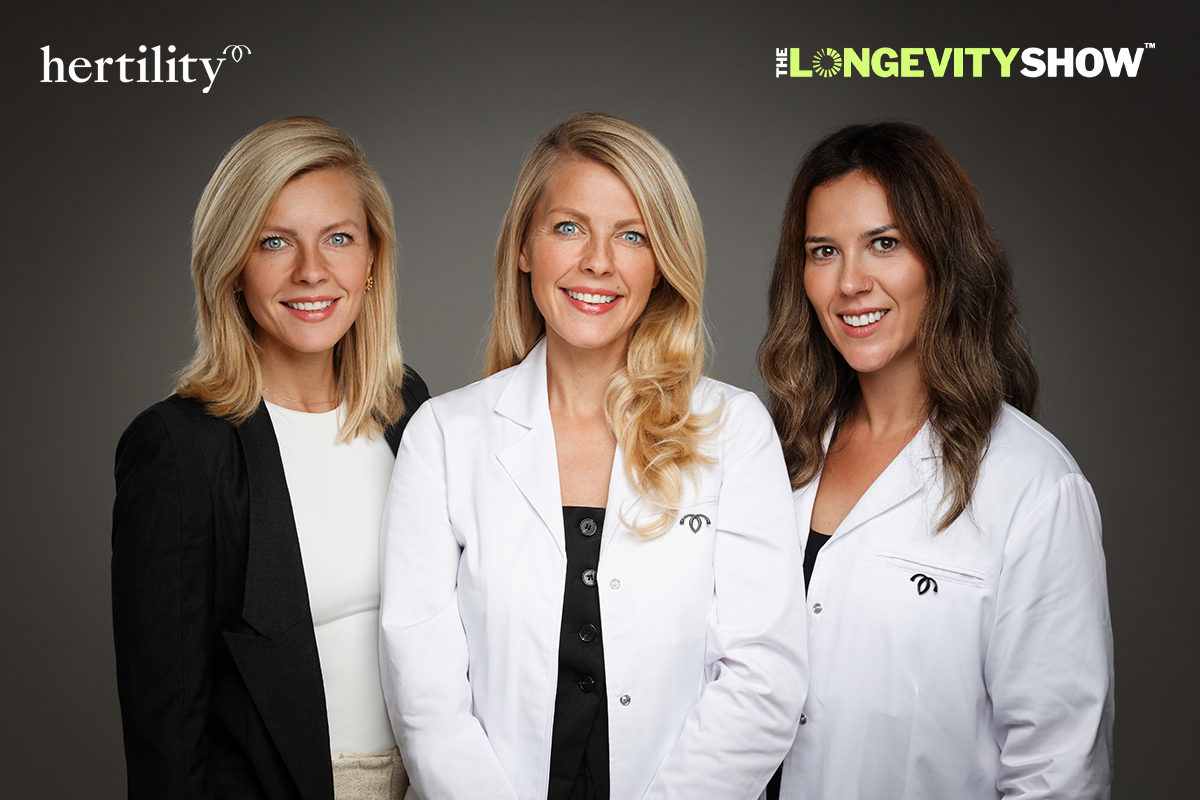
Healthtech firm to co-lead scientific program for Women’s Health Summit at London’s June 2026 longevity event.
The Longevity Show has confirmed Hertility as Strategic Content and Scientific Lead Partner for the Women’s Health Summit at its inaugural 2026 event in London. The Summit will form a central pillar of the two-day gathering at Tobacco Dock, which aims to convene 4,000 consumers alongside more than 500 clinicians, founders, investors and policymakers working across preventative health and healthspan innovation.
Hertility, a UK-based women’s healthtech company focused on reproductive and gynecological diagnostics, telemedicine and AI-enabled precision medicine, will co-lead the scientific framing and programme development of the Summit. The partnership positions female biology not as a thematic sidebar, but as a structural lens through which longevity science and infrastructure must increasingly be designed.
Longevity.Technology: For all the noise around longevity over the past decade, the science has too often been calibrated to a male default. From preclinical models to clinical trials, we’ve essentially been trying to apply a male template to a female biological arc – and that’s not just an oversight, it’s a data distortion. Female aging isn’t a variation on a theme; it’s a distinct process shaped by hormonal transitions and ovarian aging that act as early ‘sentinel events’ for everything from heart health to cognitive resilience. Fixing this isn’t about inclusive branding; it’s a long-overdue scientific correction.
What makes this partnership notable is the move away from ‘narrative’ toward ‘architecture.’ Women’s health is great at attracting headlines but has been historically starved of the longitudinal data and diagnostic infrastructure needed to actually move the needle. If longevity is going to be a serious clinical discipline – rather than just a lifestyle category with a glossy PR budget – it has to be built on sex-specific data and AI models that reflect reality. Moving from awareness to architecture is where the real healthspan wins are going to happen.
Reframing female biology within longevity science
The scientific rationale for such a focus is increasingly difficult to ignore. Female aging trajectories differ at cellular, endocrine and immunological levels; reproductive aging in particular often precedes and predicts broader systemic change. The menopause transition is associated with measurable shifts in cardiometabolic risk, bone density and cognitive health – yet historically, female-specific endpoints have been inconsistently integrated into longevity research frameworks.
Dr Helen O’Neill, Cofounder and CEO of Hertility and Associate Professor in Reproductive and Molecular Genetics at UCL, spoke to the biological imperative.
“Female longevity follows fundamentally different biological rules,” she said. “From the cellular level to the hormonal lifespan, women age through distinct genetic, metabolic, and endocrine pathways that have historically been overlooked. If longevity science is to be accurate, women cannot be treated as a variation of male biology – they must be studied, measured, and supported in their own right. We are designing a programme grounded in evidence, diagnostics, and clinical translation. This is about moving beyond wellness narratives and into measurable, preventative healthcare infrastructure. Longevity without women’s health is incomplete. This stage will redefine what leadership in that space looks like.”
We are seeing a hard pivot across geroscience away from vague wellness promises and toward actual, verifiable data – things like longitudinal tracking and AI-driven stratification. In that context, reproductive endocrinology isn’t some niche ‘women’s issue’ on the sidelines. It’s a frontline early-warning system; a biological clock that signals the state of the entire system long before the traditional symptoms of aging show up.
From consumer curiosity to clinical credibility
The Longevity Show’s dual-audience model – combining a large-scale consumer experience with a senior industry conference – is designed to bridge what has often been a stubborn translational gap. Consumers bring demand, clinicians bring standards, investors bring capital; durable infrastructure requires all three.
Carolyn Dawson, Cofounder of The Longevity Show, framed the partnership within that broader ambition.
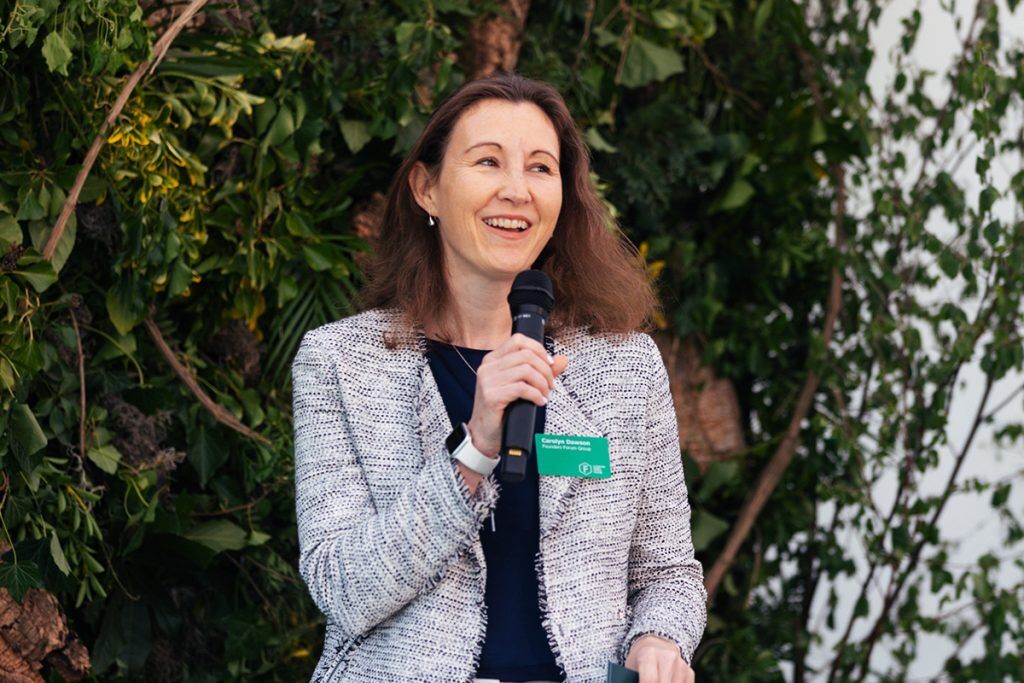
“Women’s biology has fundamentally different health trajectories, yet longevity conversations have historically been male-dominated,” she explained. “Partnering with Hertility ensures that the Women’s Health Summit is grounded in scientific rigor, clinical credibility and real-world impact. This collaboration reflects our wider ambition: to bring serious, evidence-led leadership into the mainstream and build a longevity movement that is inclusive, data-driven and commercially transformative.”
Commercial transformation is not incidental. Women live longer than men on average, yet spend a greater proportion of later life in ill health; the economic implications – for healthcare systems, employers and pension structures – are substantial. Preventative female health infrastructure is therefore not solely a clinical concern but a demographic one.
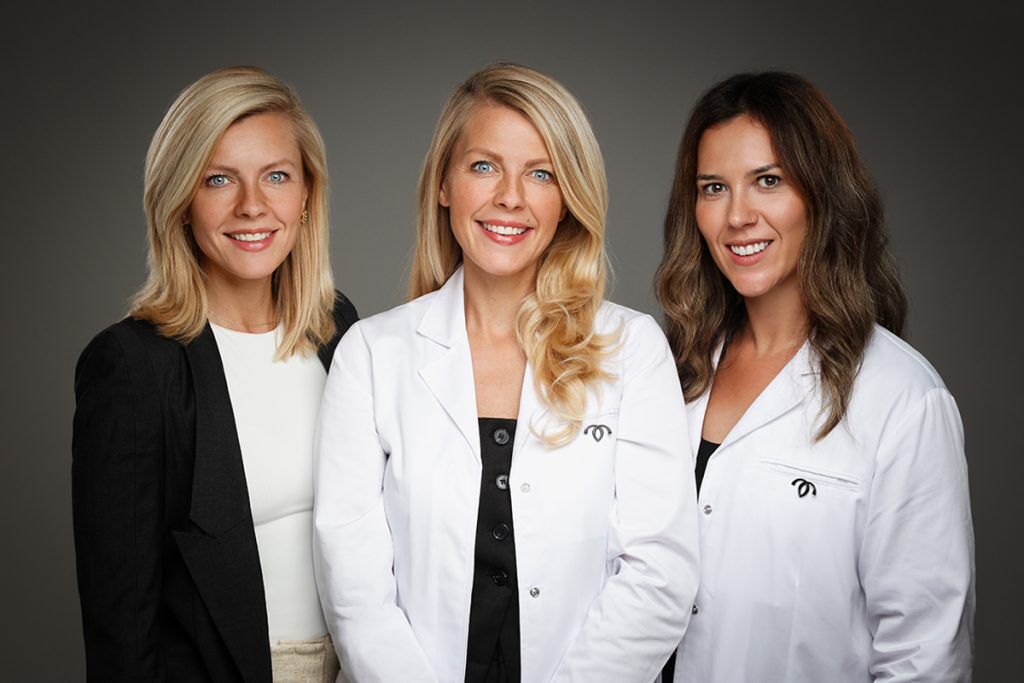
Deirdre O’Neill, Cofounder and Chief Commercial Officer of Hertility, emphasized the scaling dimension.
“Longevity is scaling fast, but its infrastructure is incomplete without women’s health at the centre,” she said. “As Strategic Content and Scientific Lead Partner for the Women’s Health Summit at The Longevity Show, we will bring together leaders into one practical conversation about how preventative care is designed, delivered and scaled. It will not sit on the periphery; it will help shape where the longevity sector goes next.”
Architecture, not add-on
For a sector sometimes accused of over-indexing on optimization culture, the reframing of women’s health as core infrastructure is notable. The Summit is expected to explore reproductive aging, hormonal health, diagnostics, data and artificial intelligence – not as discrete topics but as interlocking components of a preventative system.
There is, too, a symbolic dimension. Female-led scientific and commercial leadership in longevity remains proportionally limited relative to the demographic reality of aging populations. Placing women’s biology at the center of a flagship event signals an evolving maturity – less rhetoric, more rigor.
Where the model may lead
Whether this marks a permanent shift in the landscape depends on the industry’s collective follow-through. The Women’s Health Summit will set the stage for datasets that aren’t skewed, trials actually powered for female biology and – crucially – reimbursement models that pay for prevention instead of waiting for the system to break. An event on its own doesn’t move the needle, but it can convene the architects. We are putting the right people in the same room but the real win will be seeing those conversations turn into the clinical infrastructure of the next decade. Aging is not monolithic. It is patterned, phased and sex-specific. The infrastructure will need to be the same.
To learn more about partnership and exhibitor opportunities at The Longevity Show 2026, contact the Sponsor & Exhibitor team.
The Longevity Show opens its doors on 26–27 June 2026 at Tobacco Dock, London. Early bird tickets for all tiers are now available at www.longevityshow.com until 31 March 2026.
