

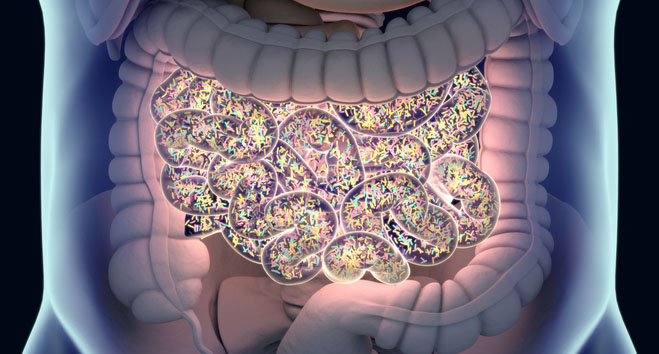
A large Swedish study shows that use of certain antibiotics to treat infections can have a long term impact on the gut microbiome for up to eight years.
As reported in Nature Medicine, lead author Tove Fall, PhD, a professor at Uppsala University, and colleagues found that clindamycin, fluoroquinolones and flucloxacillin had the strongest, most long-lasting impact on the gut microbiome.
Clindamycin mainly treats skin, dental and anaerobic infections; fluoroquinolones are broad‑spectrum and are used for urinary, gut and serious systemic infections; and flucloxacillin is a narrow‑spectrum penicillin used for staphylococcal skin, soft‑tissue and bone infections.
Use of these three types of antibiotics was linked to higher abundance of species such as Enterocloster bolteae, Flavonifractor plautii, and Eggerthella lenta, which have been previously linked to higher body mass index, higher triglycerides and increased risk of type 2 diabetes.
The study included almost 15,000 Swedish adults who underwent genetic profiling of bacteria in their stool to assess the impact of antibiotic use. Prescription records were used to trace timing and type of antibiotics used and samples were taken after less than one year of exposure, 1-4 years of exposure and 4-8 years of exposure.
Overall, 11 oral antibiotic classes were included in the study: penicillin V, extended‑spectrum penicillins, flucloxacillin, tetracyclines, fluoroquinolones, nitrofurantoin, clindamycin, sulphamethoxazole‑trimethoprim, cephalosporins, macrolides and amoxicillin‑clavulanic acid.
In general, the researchers found that the more courses of antibiotics given to a patient, the lower the number of species present in their gut microbiome.
Clindamycin, fluoroquinolones and flucloxacillin caused the largest and longest-lasting changes, with even a single course leaving a significant imprint on the gut microbiome. In patients treated with these antibiotics up to 15% of the gut microbiome species had altered abundance for extended periods. Other classes like cephalosporins had a medium impact on gut bacteria and some, like Penicillin V, had low impact despite frequent use with only a few species of gut bacteria showing altered abundance.
“The strong link between narrow spectrum flucloxacillin and the gut microbiome was unexpected, and we would like to see this finding confirmed in other studies,” says Fall in a press statement.
“However, we believe that the findings of our study may help inform future recommendations on antibiotic use, especially when choosing between two equally effective antibiotics, one of which has a weaker impact on the gut microbiome.”
