

A large-scale search for a repurposable drug has led German researchers to sildenafil, the active ingredient in Viagra, as a potential treatment for the rare genetic disease Leigh syndrome (LS).
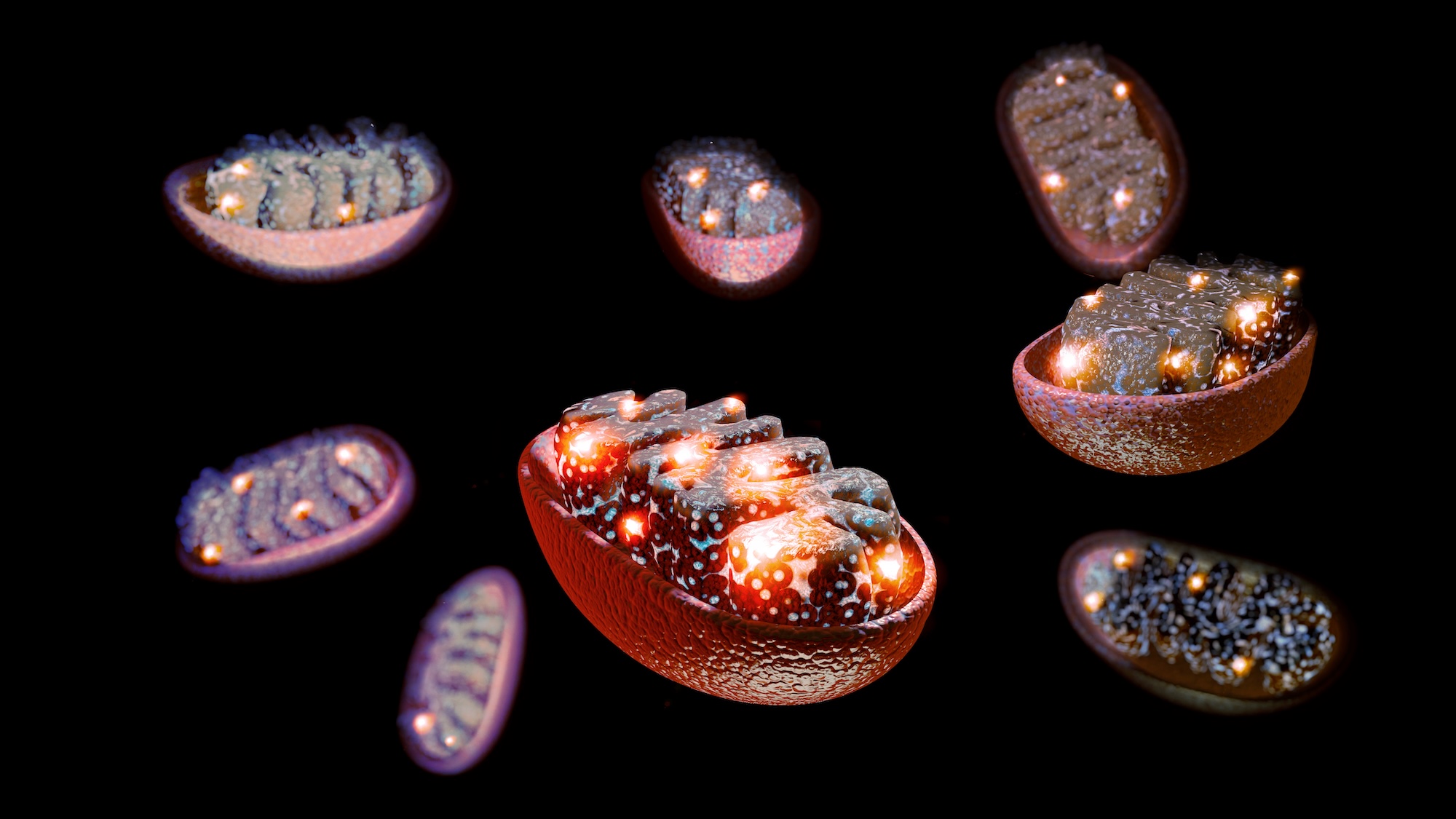
Leigh syndrome is a severe congenital disorder of the brain and muscles caused by dysfunction in the cell’s energy-producing mitochondria. It affects around just one in 36,000 children and currently has no treatment.
To address this, Annika Zink, PhD, from University Hospital Düsseldorf, and co-investigators used patient-derived stem cells to carry out the largest drug screening for the treatment of LS to date.
Among the 5632 repurposable drug compounds tested, the screening identified phosphodiesterase type 5 inhibitors as lead candidates, among which sildenafil was prioritized for further testing given that it already has a known safety profile in children treated for pulmonary arterial hypertension or lymphatic malformations.
The researchers report in Cell that sildenafil restored neurodevelopmental pathways and normalized calcium responses in LS brain organoids. It also reduced muscle weakness, improved oxygen consumption and carbon dioxide production, and extended the lifespan in two LS animal models.
Finally, Zink and team tested sildenafil treatment in six people with LS. The patients ranged from age nine months to 38 years, four were male and two were female.
Treatment was started at a low (0.66–1.49 mg/kg per day; n=2) or medium (1.50–3.00 mg/kg per day; n=4) dose between December 2018 and June 2024 and is ongoing in all but one patient who had to discontinue after 2.5 years due to a rash despite improved muscle weakness, which returned after discontinuation.
In all other cases, sildenafil was well tolerated and led to improved clinical symptoms including motor function and development, protection from regular metabolic crises, and either an improvement or slower decline in disease activity scores.
“For example, in the case of a child undergoing sildenafil treatment, the walking distance increased tenfold, from 500 to 5000 meters,” said one of the study’s senior authors, Markus Schuelke, MD, from Charité – Universitätsmedizin Berlin. “In another child, the therapy completely suppressed metabolic crises that occurred almost monthly, while another patient no longer suffered from epileptic seizures,” he added.
“Such effects significantly improve the quality of life of Leigh syndrome patients,” said Schuelke. “While we will have to confirm these initial observations in a more comprehensive study, we are very pleased to have found a promising drug candidate for the treatment of this serious hereditary disease.”
Based on the results, the European Medicines Agency has granted sildenafil orphan drug status, meaning it can undergo a simplified approval process intended to support the development of therapies for rare diseases.
