

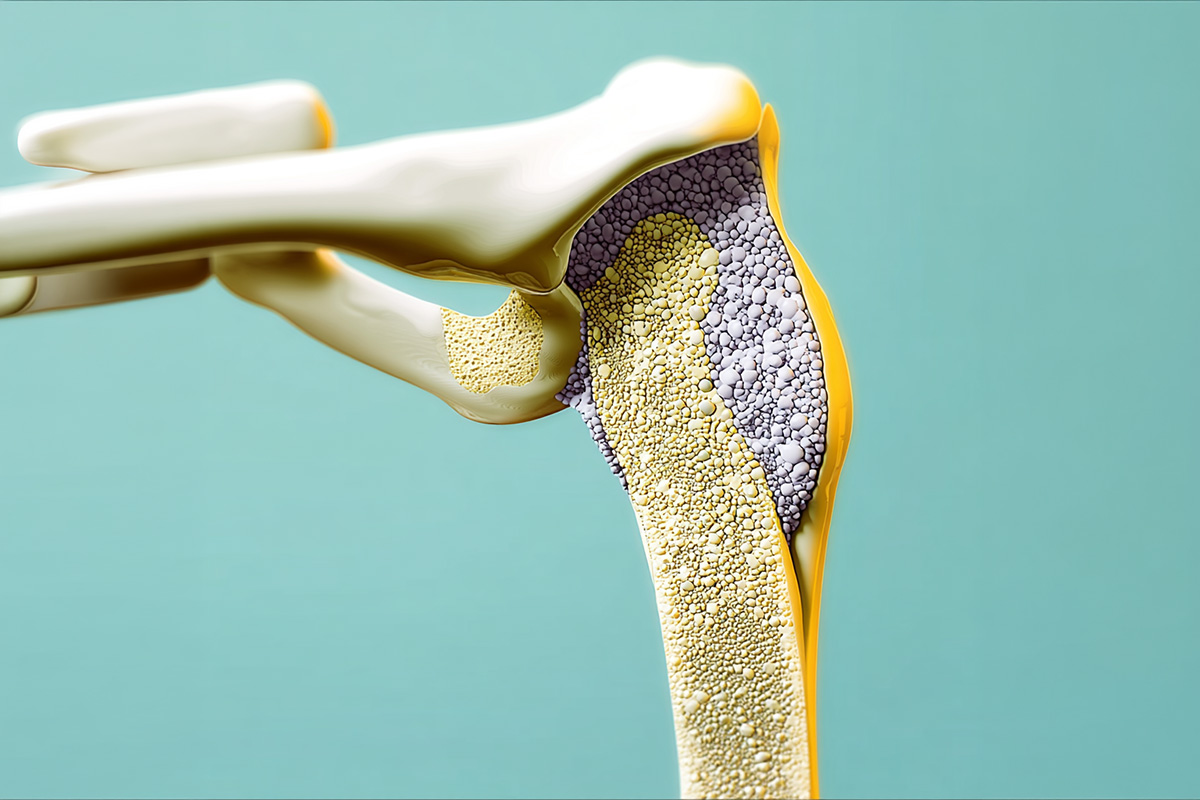
New data link popular weight-loss drugs to higher rates of osteoporosis and gout, prompting calls for smarter, longer-term care.
For the past few months, GLP-1 drugs have felt almost unstoppable. Medications such as Ozempic and Wegovy have transformed the treatment landscape for obesity and Type 2 diabetes, delivering weight loss results once thought unrealistic without surgery. Cardiovascular benefits have followed. Investors have taken notice. So have millions of patients. But medicine rarely moves in straight lines.
New research presented at the American Academy of Orthopaedic Surgeons annual meeting suggests that GLP-1 drugs may be associated with a modestly increased risk of osteoporosis and gout [1]. The findings do not overturn the drugs’ benefits. They do, however, add a layer of complexity to a class of medicines increasingly central to metabolic and longevity care.
The signal did not come from a large pharmaceutical trial; it began in the clinic. Dr John Horneff, an associate professor of orthopedic surgery at the University of Pennsylvania, noticed something unusual: patients on GLP-1 medications were occasionally presenting with serious tendon tears after relatively minor injuries. That observation prompted a broader investigation into whether these drugs might influence bone and connective tissue health.
His team analyzed five years of medical records from more than 146,000 adults diagnosed with both obesity and Type 2 diabetes. They compared patients taking GLP-1 drugs – including semaglutide and liraglutide, sold as Victoza and Saxenda – with similar patients not taking the medications.
The results were notable. Roughly 4% of GLP-1 users developed osteoporosis, compared with just over 3% of nonusers – about a 30% relative increase in risk. Osteomalacia, a condition involving bone softening, was rare overall but occurred about twice as often in those on GLP-1 therapy.
Gout rates were also slightly higher: 7.4% among GLP-1 users versus 6.6% among nonusers, a roughly 12% increase.
Why would weight loss affect bones? At first glance, it may seem counterintuitive. If someone loses weight, their knees and hips feel better. Blood sugar improves. Inflammation drops. Why would bones suffer? The answer may lie in basic biology.
Weight loss causes bone loss. The open question is whether this represents normal adaptation or something more concerning. Think of your skeleton as a structural support system designed to carry a certain load. When that load changes quickly (for example, if someone loses 40 or 50 pounds in a year), the skeleton recalibrates. Bones are living tissue; they are constantly being broken down and rebuilt. The concern is whether rapid weight loss accelerates breakdown faster than rebuilding.
It’s like a vivid comparison to astronauts in space, who lose bone density because gravity no longer forces their bones to bear weight. Just as astronauts’ bodies react to a weightless environment, these patients have skeletons accustomed to a specific structural load that has suddenly been reduced.
Nutrition may also play a role. Because GLP-1 drugs suppress appetite, some patients consume fewer calories overall and potentially less protein, calcium and vitamin D – all essential for bone maintenance.
As for gout, the explanation may be more mechanical. Rapid weight loss can temporarily increase uric acid levels in the bloodstream, raising the risk of painful gout flares. It is a paradox: long-term metabolic improvement, turbulence in the short term.
The research is observational, meaning it cannot prove that GLP-1 drugs directly cause osteoporosis or gout. The investigators did not have detailed data on diet, exercise, supplement use or resistance training.
Still, the findings align with other emerging data. A recent study in older adults with Type 2 diabetes found that initiating GLP-1 receptor agonist therapy was associated with an 11% increased risk of fragility fractures compared with other diabetes medications [2]. The US Food and Drug Administration (FDA) label for semaglutide already notes potential fracture risk in certain populations.
Yet the story is not one-directional. Some clinicians report improvements in joint pain among patients who lose weight on GLP-1 therapy. And research suggests that pairing these drugs with structured resistance exercise can mitigate much of the bone density loss associated with weight reduction. In other words, the medication may not be the whole story.
Longevity.Technology: GLP-1 drugs are likely to remain foundational tools in metabolic medicine. Their benefits for cardiovascular health and glycemic control are well established. But longevity is not simply about extending lifespan; it is about preserving healthspan. Bone strength, mobility and independence are central to that goal. A hip fracture in older age can dramatically alter a life trajectory. Even modest increases in fracture risk deserve attention when millions of people are using these medications.
If GLP-1 therapies reduce body weight, clinicians may need to ensure that muscle and bone are not collateral damage. That could mean emphasizing resistance training, adequate protein intake, vitamin D monitoring and periodic bone density scans, especially for older adults.
The GLP-1 era continues to mature. As these drugs move from breakthrough status to long-term population use, the conversation is shifting from “How much weight can we lose?” to “What kind of body are we building for the decades ahead?”
[1] https://www.nbcnews.com/health/health-news/glp-1s-may-increase-risk-osteoporosis-gout-new-research-finds-rcna261024
[2] https://pubmed.ncbi.nlm.nih.gov/41665888/
