

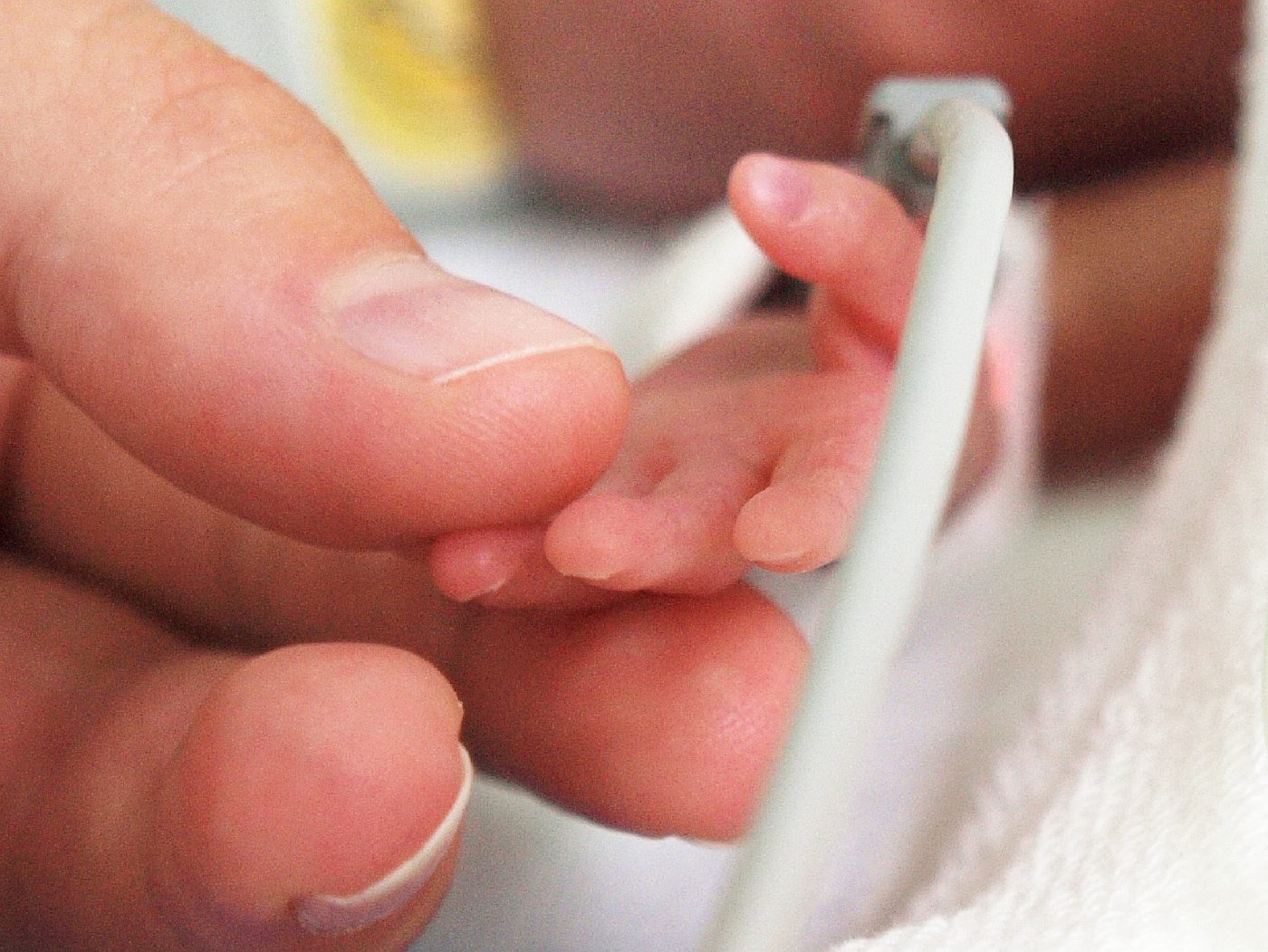
Researchers at the University of Toyama in Japan have found that probiotic supplementation during early pregnancy could reduce the risk of recurrent spontaneous preterm delivery (sPTD), a leading cause of neonatal illness and mortality worldwide. In findings published in the American Journal of Obstetrics and Gynecology, the Toyama team identified that probiotics with the butyrate-producing bacterium Clostridium butyricum were associated with lower recurrence rates of preterm birth in a cohort of high-risk women compared with national averages. The study focused on women with a prior history of sPTD, because it is a population that has an elevated risk of recurrence in subsequent pregnancies.
“This study was motivated by our desire to reduce the number of children who develop long-term disabilities, especially those born extremely preterm, through appropriate obstetric interventions,” said first author Satoshi Yoneda, MD, PhD, an associate professor in the department of obstetrics and gynecology at the University of Toyama.
Preterm birth is defined as delivery before 37 weeks of gestation. It affects approximately 13.4 million births globally, accounting for 9.9% of all deliveries and is associated with an estimated 938,000 neonatal deaths annually. Preterm infants have increased risk of developing sepsis, intraventricular hemorrhage, periventricular leukomalacia, cerebral palsy, and sensory impairments. Between 65% and 70% of preterm births are spontaneous and women with a prior sPTD face a significant higher risk of recurrence.
For this study, the Toyama researchers enrolled enrolled 343 patients between the ages of 18 to 43 years with a history of sPTD in a prospective, single arm, nonblinded, multicenter clinical trial across 31 hospitals in Japan. Participants received oral probiotic tablets beginning between 10 and 14 weeks of gestation and continued until 36 weeks and six days. Each tablet contained Clostridium butyricum (10 mg), Enterococcus faecium (2 mg), and Bacillus subtilis (10 mg), taken three times daily.
The primary endpoint was the recurrence rate of sPTD before 37 weeks, compared with a historical national rate of 22.3% in Japan. Among 315 participants included in the final analysis, the recurrence rate was 14.9% (95% confidence interval, 11.2%–19.3%), significantly lower than the historical benchmark. Secondary outcomes showed that the rate of sPTD before 34 weeks was 3.5%, and among women with a history of extreme preterm delivery (<28 weeks), recurrence before 28 weeks was 1.5%.
The study was built based on prior findings suggesting that the gut microbiome influences the immune environment of pregnancy. Regulatory T cells (Tregs) are critical for maintaining immune tolerance at the maternal–fetal interface, preventing inflammatory responses that could trigger preterm labor. The researchers focused on Clostridium butyricum because Clostridium species have been shown to promote Treg development, and previous studies found reduced levels of these bacteria in women who experienced sPTD.
“Given the reduced abundance of Clostridium species in women with sPTD, insufficient Treg cell production may contribute to an inability to maintain pregnancy. Therefore, probiotics including Clostridium species may prevent sPTD by supporting maternal immune functions,” the researchers wrote.
Microbiome analysis conducted during the trial showed that women who delivered at term showed about a five-fold increase in intestinal Clostridium species as a result of taking the probiotic tablets. Similar increases were not found in women who had recurrent sPTD, pointing to the effects of the probiotic prevention strategy.
“Our prospective study demonstrated that the administration of oral probiotics containing C. butyricum, Enterococcus faecium, and Bacillus subtilis from early pregnancy significantly reduced the rate of recurrent sPTD,” the researchers wrote.
The findings suggest that clinicians may consider the role of the gut microbiome in managing high-risk pregnancies, though the authors said more research, including randomized controlled trials, is needed to confirm their findings.
Additional research may also look into factors that influence individual responses to probiotics, including baseline microbiota composition, diet, as well as genetic factors. The researchers plan additional analyses of the intestinal flora of women enrolled in their study using sequencing data.
