Close Menu
My Blog

    Subscribe to Updates

    Get the latest creative news from FooBar about art, design and business.

    What's Hot

    Nautilus debuts Voyager platform in push toward next-gen proteomics

    March 1, 2026

    First-in-Human Success for Prenatal Stem Cell Therapy in Spina Bifida

    February 28, 2026

    Pressure-Driven Pathway Links Liver Congestion to Fibrosis and Cancer

    February 28, 2026
    Facebook X (Twitter) Instagram
    X (Twitter) YouTube
    My BlogMy Blog
    Sunday, March 1
    • Home
    • About Us
    • Healthy Living
    • DNA & Genetics
    • Podcast
    • Shop
    My Blog
    Home»Gut Health»Does Coffee Impact Fertility? Exploring the Effects of Caffeine
    Gut Health

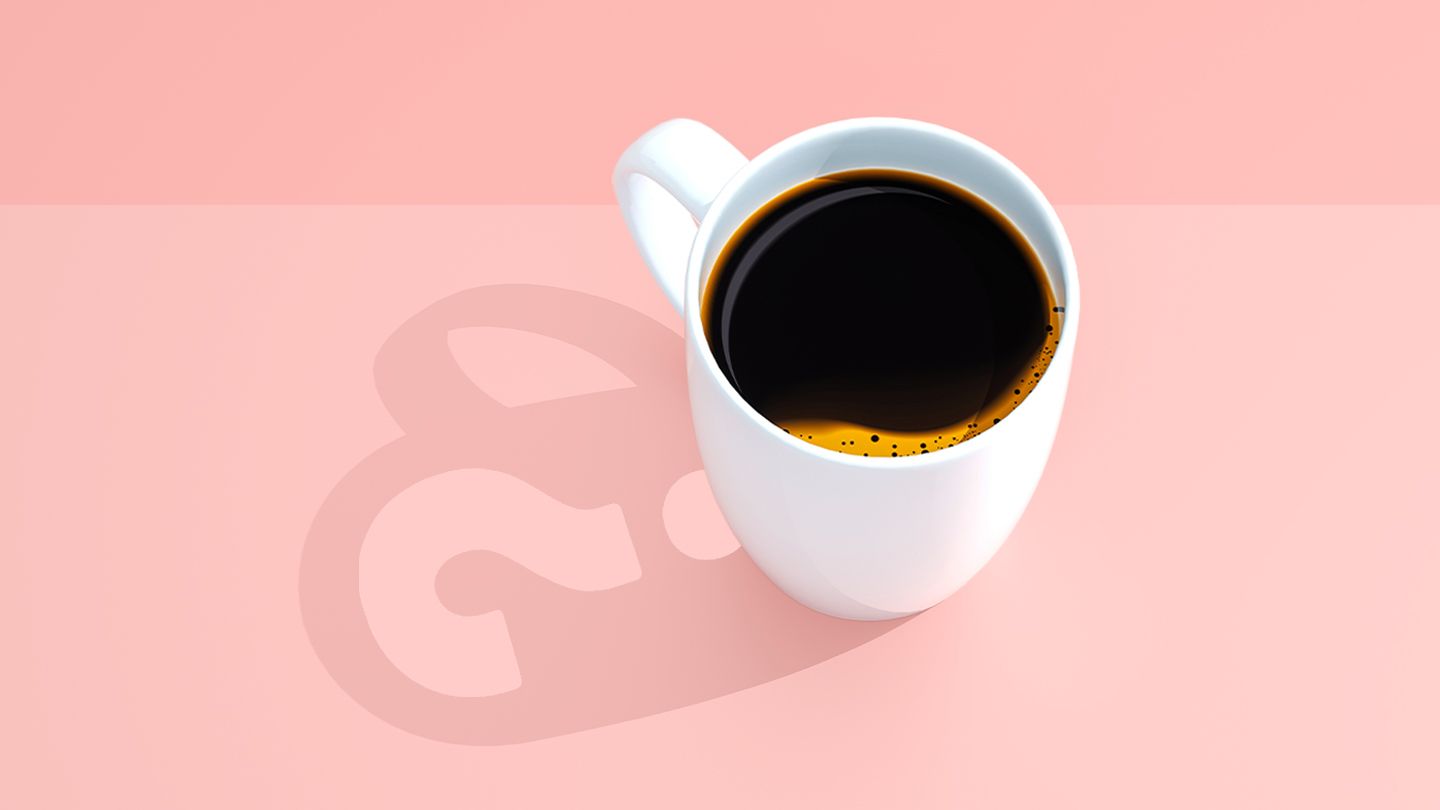
    Does Coffee Impact Fertility? Exploring the Effects of Caffeine

    adminBy adminSeptember 5, 2025No Comments3 Mins Read
    Facebook Twitter Pinterest LinkedIn Tumblr WhatsApp VKontakte Email
    Does Drinking Coffee Affect Fertility?
    Share
    Facebook Twitter LinkedIn Pinterest Email

    It May Take Longer to Conceive With High Caffeine Intake

    “The research is far from conclusive. But in women, very high caffeine intake, such as over 500 milligrams (mg) per day, has been linked to reduced fertility,” says Alex Robles, MD, a reproductive endocrinologist at Columbia University Irving Medical Center in New York City.

    To put that in perspective, 500 mg is equivalent to about five 8-ounce cups of brewed coffee, eight cups of instant coffee, or two and a half energy shots.

    Caffeine May Affect Hormone Levels

    Caffeine can affect the hormones in your body that are important for conception. In men, caffeine can increase testosterone levels and affect other hormone-related proteins in the blood.

     It can also change how certain cells in the testicles (called Sertoli cells) function. If Sertoli cells aren’t working properly, sperm production or quality can be affected.

    For women, caffeine can block certain hormone receptors, which can interfere with ovulation and the uterus’s ability to receive a fertilized egg.

     Caffeine may also decrease the body’s ability to convert certain hormones into estrogen, which is important for pregnancy to occur.

    Caffeine May Cause Problems With Embryo Attachment

    Studies in both women and mice have found that higher amounts of caffeine may make it harder for a fertilized embryo to attach to the uterine wall, says Alexander Kotlyar, MD, a board-certified reproductive endocrinologist and infertility specialist at Genesis Fertility in the New York City area.

    An embryo is a fertilized egg that has begun to develop but isn’t fully formed yet.

    For pregnancy to continue, the embryo must attach successfully to the uterus. According to Dr. Kotlyar, even two cups of coffee a day could affect this process and lead to lower pregnancy rates.

    Caffeine May Raise the Risk of Miscarriage

    “Some studies show that 200 to 300 mg [of caffeine] per day may be linked to a higher risk of miscarriage,” says Dr. Robles. That’s about two to three 8-ounce cups of brewed coffee per day.

    One review of studies found that for every 100 mg of caffeine consumed daily (about one cup of coffee), the risk of miscarriage increased slightly.

     The same review also found small increases in the risk of stillbirth, premature delivery, and having a baby with low birth weight. But these risks were relatively small, and the research findings aren’t always consistent.

    Caffeine May Affect Sperm Health in Men

    The research on caffeine and male fertility is mixed and much less clear than for women. “High caffeine intake has been linked to reduced sperm concentration and motility (how well sperm move), possibly affecting testosterone levels and overall sperm health in men,” says Sheeva Talebian, MD, a reproductive endocrinologist at CCRM Fertility of New York.

    At least one study suggests that sperm problems may increase with higher doses of coffee, especially after more than three cups per day, says Kotlyar. “Such sperm issues also included damage to the DNA in sperm cells,” he adds.

    But other studies have shown no negative effects on sperm quality, and some research even suggests caffeine might help certain cells in the testicles function better.

     Overall, the evidence is inconclusive, and more research is needed to understand the effects of caffeine on male fertility.

    Caffeine Coffee effects Exploring Fertility Impact
    Share. Facebook Twitter Pinterest LinkedIn Tumblr WhatsApp Email
    Previous ArticleAnti-inflammatory psychedelics? New findings point to potential gut health and respiratory benefits
    Next Article Johnny Cash’s One-Pot Chili Recipe Is Perfect for Fall
    admin
    • Website

    Related Posts

    The ins and outs of the new Dietary Guidelines for Americans in light of the gut microbiome

    February 25, 2026

    Patrick Veiga – Gut Microbiota for Health

    February 17, 2026

    The gut microbiome puzzle and probiotics in primary care patients with IBS

    February 16, 2026

    What Is Fish Oil Good For? Benefits, Omega-3 & Side Effects

    February 14, 2026
    Leave A Reply Cancel Reply

    Our Picks

    9 Time-Saving Kitchen Gadgets for Fall at Amazon

    September 5, 2025

    Why Exercise Is So Important For Heart Health, From An MD

    September 5, 2025

    An Engineered Protein Helps Phagocytes Gobble Up Diseased Cells

    September 5, 2025

    How To Get Rid Of Hangnails + Causes From Experts

    September 5, 2025
    • Facebook
    • Twitter
    • Pinterest
    • Instagram
    • YouTube
    • Vimeo
    Don't Miss
    Longevity

    Nautilus debuts Voyager platform in push toward next-gen proteomics

    By adminMarch 1, 20260

    Company’s new benchtop system promises a clearer view of proteins following validation at a leading…

    First-in-Human Success for Prenatal Stem Cell Therapy in Spina Bifida

    February 28, 2026

    Pressure-Driven Pathway Links Liver Congestion to Fibrosis and Cancer

    February 28, 2026

    A cellular atlas of aging comes into focus

    February 28, 2026

    Subscribe to Updates

    Get the latest creative news from SmartMag about art & design.

    About Us

    At FineGut, our mission is simple: to enhance your self-awareness when it comes to your gut health. We believe that a healthy gut is the foundation of overall well-being, and understanding the brain–gut connection can truly transform the way you live.

    Our Picks

    9 Time-Saving Kitchen Gadgets for Fall at Amazon

    September 5, 2025

    Why Exercise Is So Important For Heart Health, From An MD

    September 5, 2025

    An Engineered Protein Helps Phagocytes Gobble Up Diseased Cells

    September 5, 2025
    Gut Health

    Nautilus debuts Voyager platform in push toward next-gen proteomics

    March 1, 2026

    First-in-Human Success for Prenatal Stem Cell Therapy in Spina Bifida

    February 28, 2026

    Pressure-Driven Pathway Links Liver Congestion to Fibrosis and Cancer

    February 28, 2026
    X (Twitter) YouTube
    • Contact us
    • Privacy Policy
    • Disclaimer
    • Terms and Conditions
    © 2026 finegut.com. Designed by Pro.

    Type above and press Enter to search. Press Esc to cancel.