

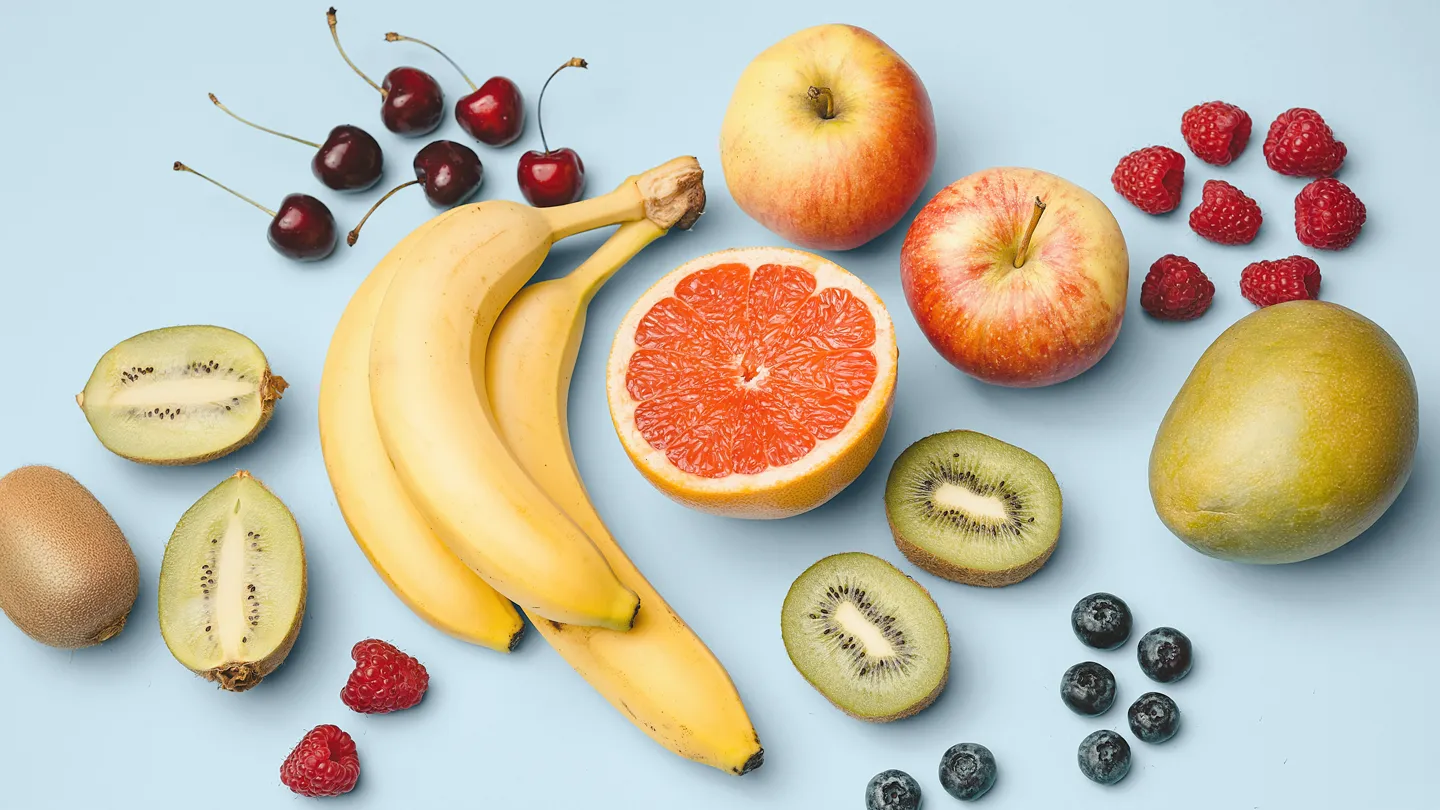
Have you been told to eat more fruit? There’s a good reason for that. “Whole fruits are a key recommendation for all healthy, balanced diets,” says Christopher Gardner, PhD , the director of nutrition studies at the Stanford University Prevention Research Center in California. Fruit contains several vitamins, minerals, carbohydrates , fiber, and antioxidants needed for overall health. Still, it’s possible to get too much of a good thing. Too much fruit can cause uncomfortable side effects. And, in some cases, may be risky for people with certain chronic conditions. Here’s how much you need, what’s considered too much, and whether you should watch your intake.
Dietary Guidelines for Fruit: How Much Is Too Much? How Much Fruit The U.S. Department of Agriculture (USDA) recommends 1.5 to 2 cups of fruit per day for adult females and 2 to 2.5 cups per day for adult males, with at least half coming from whole fruit. Recommended serving sizes are:e60dc2a1-f33c-4a05-9b50-8e3e8e5976296108f525-7ed4-4477-98c3-84b4d2dd6dca 1 cup of fresh, frozen, or canned fruit ½ cup of dried fruit 1 cup of 100 percent fruit juice Roughly 80 percent of the U.S. population doesn’t meet these recommendations.e60dc2a1-f33c-4a05-9b50-8e3e8e5976296108f525-7ed4-4477-98c3-84b4d2dd6dca But some people may go overboard, especially when using fruit to satisfy a sweet tooth. While it’s always better to eat whole, fresh foods instead of processed sweets, fruit needs to be balanced into a meal that includes lean proteins and healthy fats, Smithson notes. And, while fruit provides several nutrients key for overall health, it’s not possible to meet all your nutritional needs with fruit alone. “After meeting the recommended number of servings each day, consuming more than that can mean crowding out room to consume other important food groups, like vegetables, legumes, nuts and seeds,” Dr. Gardner says. Sharon Palmer, RDN , a registered dietitian-nutritionist in Ojai, California, agrees: “If you’re consuming significantly more fruit than the USDA recommendations, it could be problematic.” USDA’s MyPlate guidelines recommend that fruits make up about one-fourth of your plate.e60dc2a1-f33c-4a05-9b50-8e3e8e5976293f8ec133-2299-4e00-ae2b-c84ce47a589d A good target to aim for is 1.5 to 2.5 cups or about two to four whole fruits per day. But there may be people who need to eat more fruit than this. For example, athletes often have greater nutritional needs than non-athletes. “If you’re a young male athlete, you may require twice as many calories from fruit as an older, sedentary woman,” Palmer notes. Ultra-marathoners, triathletes, and long-distance cyclists often snack on fruit during training or events, and some of their favorites include convenient options with fast-acting carbohydrates, such as bananas , dates , and oranges . Palmer notes that some medical conditions may call for eating more fruit than recommended, too. For example, those with chronic constipation may be encouraged to eat more high-fiber fruits like kiwi , prunes, and pears. And people recovering from illness or surgery may want to consume more easy-to-digest, high-water, nutrient-rich foods like fruit. Finally, people who follow plant-based diets may naturally eat more fruit to make up for animal foods missing from their diet. Regardless of your other eating habits, consider that consuming significantly more than the recommended amount of fruits could result in excess calories or digestive issues.
The Risks and Side Effects of Eating Too Much Fruit Side Effects Fruit contains fiber, which improves heart and digestive health, lowers diabetes risk, and supports weight management when eaten in adequate amounts.e60dc2a1-f33c-4a05-9b50-8e3e8e5976292cf0082e-b867-47a3-89cb-38d0c5069f0a But if eaten in excess, the fiber in fruit can also cause gastrointestinal (GI) symptoms, says Julia Zumpano, RD, a registered dietitian with Cleveland Clinic in Ohio. Potential symptoms include: Gas Bloating Abdominal cramps Heartburn Diarrhea Constipation Some fruits also contain FODMAPs, which are a group of sugars and fibers that aren’t absorbed well in the gut. FODMAPs can cause digestive symptoms in people with GI conditions such as irritable bowel syndrome (IBS, a chronic disorder affecting the large intestine), Zumpano notes. When FODMAPS reach the colon, gut bacteria ferment them, generating gases that lead to pain, bloating, and discomfort.e60dc2a1-f33c-4a05-9b50-8e3e8e5976298c150af1-6a46-4c4f-a6b1-d5ea68be8470 Blood sugar is another concern with high amounts of fruit. “Since carbohydrate foods have an impact on raising blood sugar, eating too much fruit may cause above-target blood sugar levels, which is an issue for those with diabetes,” says Toby Smithson, RDN, CDCES , a certified diabetes care and education specialist based in Hilton Head, South Carolina, and the senior manager of nutrition and wellness at the American Diabetes Association. “In someone without diabetes, however, blood sugar levels will usually stay within range after eating fruit,” Smithson says.
Who Should Watch Their Fruit Intake While fruit is a nutrient-dense food that most people should be eating more of, some need to be careful not to eat too much. People with GI issues, including IBS or inflammatory bowel disease (IBD, a group of conditions that cause chronic inflammation in the digestive tract), may struggle to digest fructose, a type of sugar found naturally in fruits. When poorly absorbed, fructose can lead to GI symptoms such as gas, bloating, diarrhea, and abdominal pain. The best fruits for people with IBS or IBD tend to be low in FODMAPs, including cantaloupe, grapes, oranges, strawberries, and pineapples.e60dc2a1-f33c-4a05-9b50-8e3e8e5976292b0cb935-6e7d-4e96-9e45-b7ea76e24d13 Note which fruits trigger symptoms, suggests Penny M. Kris-Etherton, PhD, RD , a professor of nutritional sciences at Pennsylvania State University in University Park. Limit or cut any fruits that cause issues. People with diabetes need to keep track of how many carbohydrates they consume at each meal and snack. Too many carbs, including those from fruit, can elevate blood sugar. Stay aware of portion sizes and keep track of how many carbs a serving of fruit contains. While portion sizes vary, a small piece of whole fruit has roughly 15 grams (g) of carbs.e60dc2a1-f33c-4a05-9b50-8e3e8e597629eb690ff6-3ea3-4730-9ed4-5dfc44f3bd42 That’s about a handful of grapes, blueberries, or strawberries.e60dc2a1-f33c-4a05-9b50-8e3e8e597629c4d6dc89-1fcf-476b-a335-17344f575c39
Balancing Fruit Intake: 5 Tips Tips A few healthy lifestyle shifts can keep fruit intake under control. Here are some suggestions. Keep it whole. Focus on whole fruits and avoid fruit juice, which discards fiber and other important components during the juicing process, Gardner says. The fiber in whole fruits helps regulate blood sugar, promote fullness, and aid digestion. Add lean protein or healthy fat. “Combining a lean protein or healthy fat with a serving of fruit can help slow down the absorption of carbohydrates,” Smithson says. This may help prevent blood sugar from rising too quickly. A few examples include a small apple with 1 tablespoon (tbsp) of nut butter , a handful of grapes with cubed low-fat cheese, or a serving of blueberries and a handful of almonds . Estimate your serving size. “A serving is about the size of a tennis ball or one cup,” Zumpano says. Use this as a general guide to ensure you meet — but don’t exceed — your daily recommended servings of fruit. Limit dried fruit. “The drying process will make the fruit sweeter, so the portion size is smaller than a whole-fruit version,” Smithson says. One cup of whole fruit equals roughly a ½ cup of the dried version. Let the season guide you. Fruits that are grown in season are often cheaper and more nutritious than those grown out of season, Palmer says. That’s because fruit that’s picked when it’s ripe will retain more vitamins, minerals, and antioxidants. Even better, that fruit won’t undergo artificial ripening or be stored and shipped for a long time, which can reduce nutritional benefits.
The Takeaway Fruit provides fiber, antioxidants, vitamins, and minerals, making it an important part of a healthy, balanced diet. But it’s possible to get too much of a good thing. The recommended daily serving of fruit is 1.5 to 2 cups for adult women and 2 to 2.5 cups for adult men. Significantly more than these amounts can cause digestive symptoms and spike blood sugar. People with GI conditions and diabetes should watch their fruit intake and be especially careful not to get too much.
Subscribe to Updates
Get the latest creative news from FooBar about art, design and business.
Previous ArticleMicrobiome’s Hidden Role in Early Tumor Development
