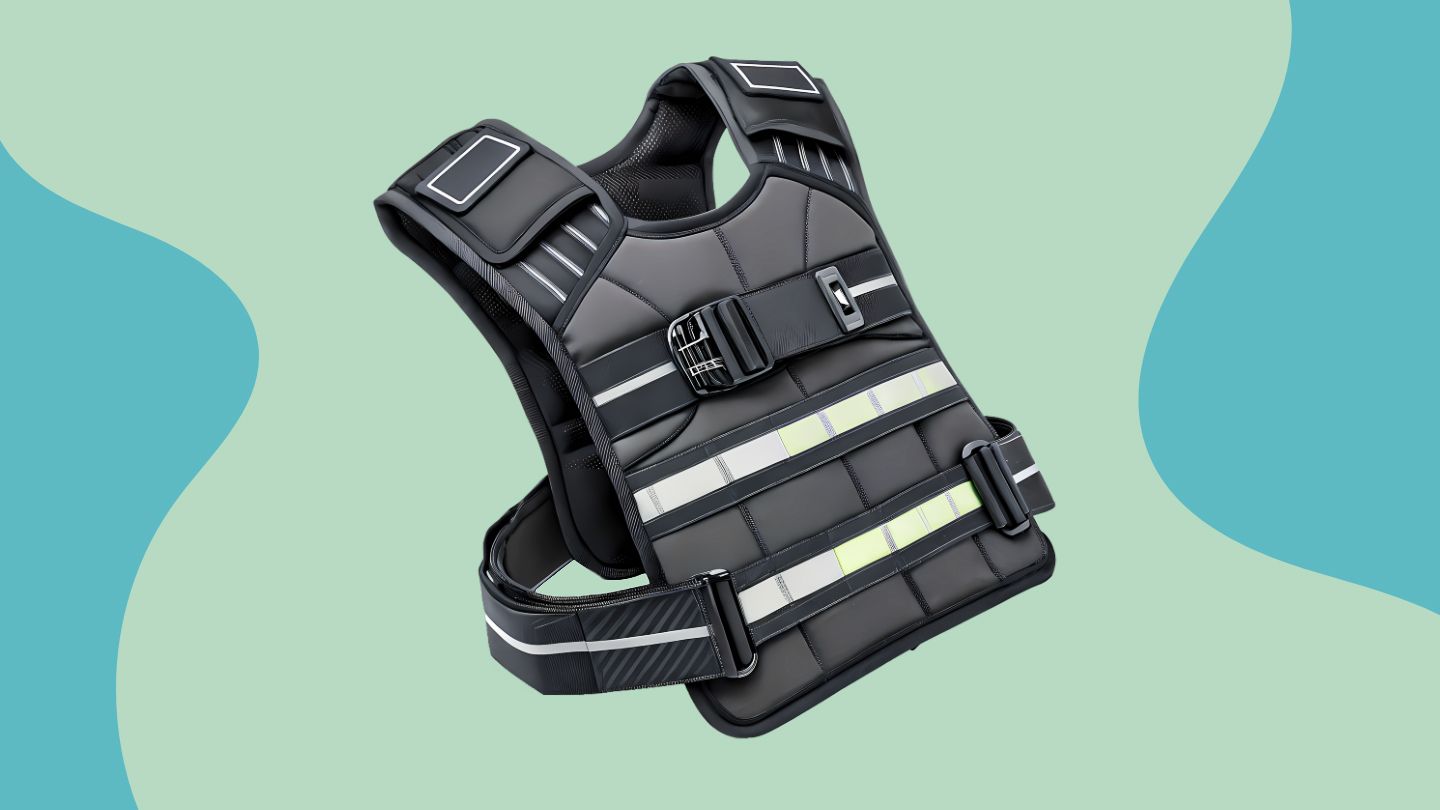
Using a weighted vest to increase your load while walking may benefit your heart, muscle, and bone health.
However, it’s not necessarily advantageous for everyone. Wearing a weighted vest may exacerbate certain health conditions, such as arthritis, joint pain, or balance issues, says Kristen M. Beavers, PhD, MPH, an associate professor of health and exercise science at Wake Forest University in Winston-Salem, North Carolina.
So, get cleared by your healthcare provider before you try walking with a weighted vest if you have one of these conditions. In addition, ask your doctor first if you have heart disease, uncontrolled blood pressure, diabetes, chest pain, or shortness of breath.
Here are the potential benefits of using a weighted vest.
1. Walking With a Weighted Vest Improves Cardiovascular Endurance
Wearing a weighted vest while exercising can improve cardiorespiratory fitness (your body’s capacity to supply and use oxygen during exercise). In a study of women with obesity, those who wore a weighted vest during a circuit training workout three times per week for eight weeks increased their VO2 max (a measure of cardiorespiratory fitness) by nearly 13 percent. Meanwhile, those who exercised without a vest saw an increase of 9.4 percent.
While the study used circuit training instead of walking, the findings likely apply to both forms of exercise. “The additional load on your body forces your muscles to work harder and therefore use up more oxygen, so your heart rate will increase quickly to deliver that oxygen,” Dr. Wooldridge says. This can improve the efficiency of your heart and lungs’ ability to provide your muscles with oxygen over time, she adds.
Greater cardiorespiratory fitness not only enables you to work out longer, but it may also reduce your risk of chronic health conditions such as obesity, heart disease, high blood pressure (hypertension), and type 2 diabetes.
2. Walking With a Weighted Vest Builds Core Strength
Walking with an additional load recruits the core, which include the muscles in the abdomen, lower back, and pelvis. These muscles engage to keep you stable and balanced as you walk with a weighted vest, Dr. Woolridge explains.
Building core strength can help you perform daily activities and sports more easily, helping you avoid pain and injury.
However, a weighted vest shouldn’t act as your only core exercise. “Studies have shown that you won’t get significant improvement in your core strength from walking in a vest alone,” Woolridge says. That’s because a weighted vest doesn’t isolate the core muscles the way other exercises do. For that reason, Woolridge advises incorporating additional core work into your routine, such as planks and crunches.
3. Walking With a Weighted Vest May Increase Bone Density
Wearing a weighted vest during daily activities may stimulate bone formation and decrease bone breakdown, per a study in older adults with obesity. This may make weighted vests especially helpful for people with or at risk for developing osteoporosis (a condition that causes bones to become weak and brittle), such as postmenopausal women, older adults, people with medical conditions such as kidney disease or liver disease, and those who use medications that interfere with the bone-rebuilding process (such as corticosteroids).
Weight-bearing exercises, like walking or walking with a weighted vest, place a force on bones that stimulates the production of bone-forming cells.
However, Woolridge emphasizes that the benefits of walking with a weighted vest are primarily cardiovascular. Moreover, the research on bone density is still emerging, and weighted vests shouldn’t be used to treat low bone density, Dr. Beavers adds.
4. Walking With a Weighted Vest May Help With Weight Loss
Wearing a weighted vest during daily activities may help with weight loss — and research suggests heavier vests are more effective than lighter ones. In one randomized clinical trial, adults with obesity who wore a heavy weighted vest (about 11 percent of the subject’s body weight) for eight hours per day for three weeks lost an additional 3 pounds and 4 percent more fat, compared with those who wore a lighter vest (about 1 percent of the subject’s body weight).
Since your body has to work harder to move you around and you expend more energy (burn more calories), which can contribute to fat loss, study authors explain.
An older study in postmenopausal women had similar findings: Women who wore a weighted vest while walking for 30 minutes a day three days per week for six weeks lost significantly more fat than women who did not wear a weighted vest while walking (8.4 percent versus 2.4 percent).
An important caveat here, as Woolridge explains, is that weight loss effect is usually small. When combined with other forms of exercise and healthy nutrition, the added calorie burn from walking with a weighted vest could support weight loss, she says.
5. Walking With a Weighted Vest May Build Muscle
Research on people performing circuit training found that those who wore a weighted vest added more muscle mass by the end of eight weeks than those who trained without the extra weight. The researchers say the added load likely encourages the body to produce proteins that contribute to muscle growth.
Increasing muscle can make it easier to participate in sports and daily activities, helps protect joints from injury, and improves balance. It can also help you burn more calories throughout the day, which may contribute to weight loss.
There is one caveat: A weighted vest doesn’t work every muscle and isn’t a replacement for traditional strength training workouts. Woolridge advises participating in resistance training at least twice weekly.