

- Every year, more than 50,000 Americans are diagnosed with oral cancer.
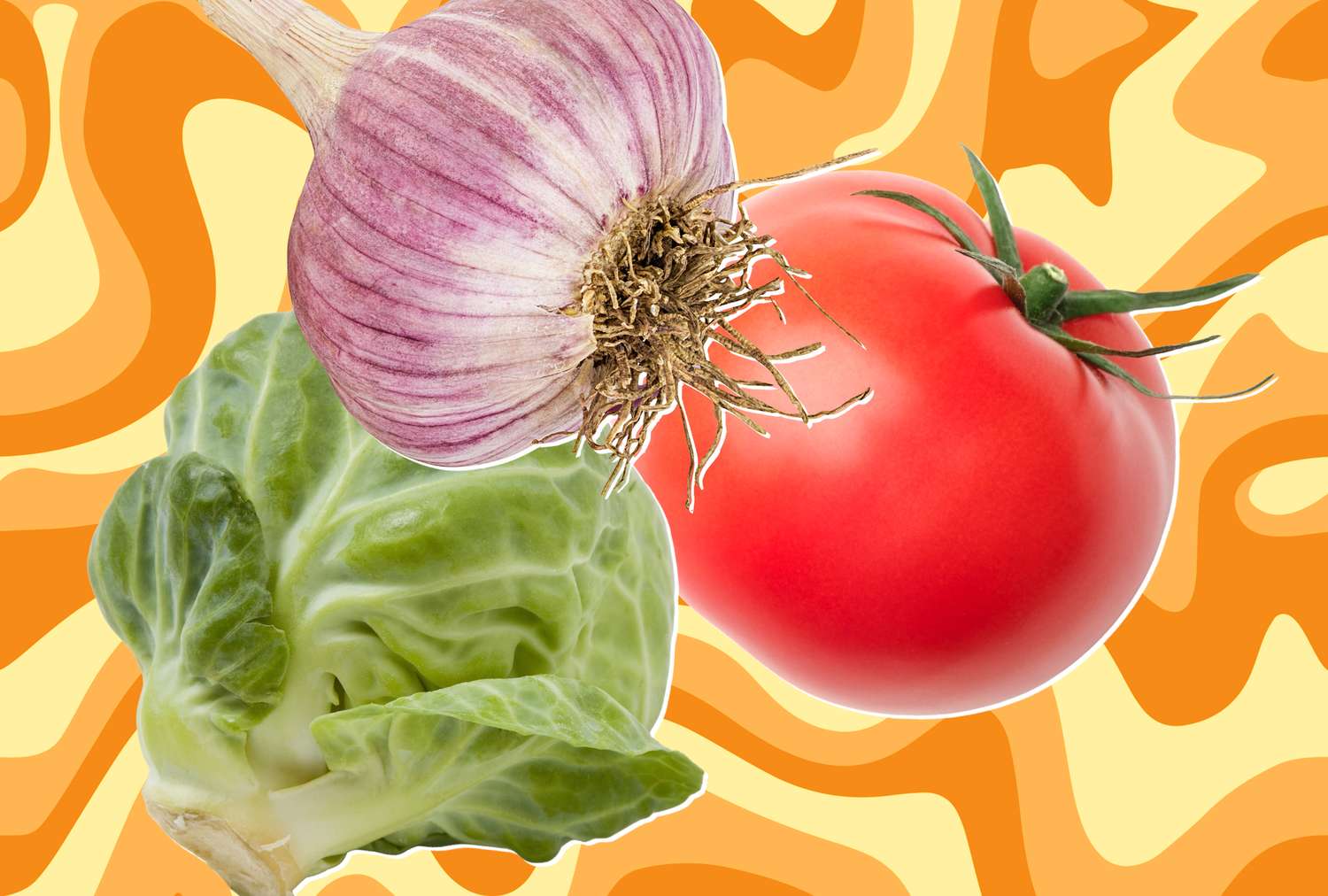
- Antioxidants in citrus, garlic, tomatoes and cruciferous veggies may reduce oral cancer risk.
- Folate from beans and fiber from berries may also be protective.
Bright and shiny teeth aren’t the only reason to keep up with routine dental exams. Visiting the dentist is also an opportunity to get screened for oral cancer. While oral cancer doesn’t frequently make headlines, more than 50,000 Americans are diagnosed with it each year.
Oral cancer can affect any part of the oral cavity, like the tongue, gums, mouth and even the back of the throat. A variety of factors influence your risk, says Aaron Weinberg, D.M.D., Ph.D. “Smoking and chewing tobacco, along with excessive alcohol consumption, are known reasons for increasing oral cancer risk,” he explains. Growing evidence suggests that what you eat may also have a significant impact on your odds of this cancer.
So, we asked nutrition and oral health experts to share the very best foods to protect against oral cancer. Here are their top picks.
1. Citrus Fruits
Sunny citrus fruits, like oranges, grapefruits and clementines, make easy grab-and-go snacks. They also happen to be rich in substances that can reduce your odds of developing oral cancer. “Eating citrus regularly has been linked to a lower risk of oral cancer,” says Pam Hartnett, M.P.H., RDN. “These fruits are rich in naringenin, a plant compound that slows the growth of cancer cells and helps the body get rid of abnormal cells before they can spread.”
Citrus fruits are also rich in vitamin C, which promotes overall gum and dental health. It may additionally protect against oral cancer. For instance, one study found that the more vitamin C-rich foods a person ate, the less likely they were to develop oral cancer.
2. Beans and Lentils
Beans and lentils are nutrition rock stars that have been linked with a lower risk for a variety of chronic diseases, including cancer. One of the reasons is their ample folate. “Folate is important for cell repair, and research suggests that folate deficiency may be linked to a higher risk of certain cancers, including oral cancer,” says Taylor Janulewicz, RDN.
Adding legumes to your plate also delivers fiber, another nutrient linked to lower rates of oral cancer. Weinberg says that fiber is a multitasker when it comes to cancer protection. “Its contribution to cancer prevention is through promotion of a healthy gut microflora, improved bowel activity, reduced inflammation and assisting in weight management,” he says.
3. Garlic
If you’re a garlic lover, there’s good news. And not just because garlic adds tons of flavor to your food. It also boasts allicin, a cancer-fighting sulfur compound. “The natural sulfur compounds that give garlic its strong flavor and smell [also help] slow the growth of cancer cells and support the body’s ability to repair DNA,” says Hartnett. “They also provide anti-inflammatory and antioxidant effects that add an extra layer of protection.”
However, the way you prep your garlic can impact how much of its beneficial compounds are available. “For the biggest benefit, chop or crush garlic and let it sit for about 10 minutes before cooking,” says Hartnett. “This short wait allows allicin, garlic’s most protective compound, to form.” You can also boost garlic’s benefits by adding it toward the end of cooking, or by eating a little chopped, raw garlic in dressings and dips, she adds.
4. Tomatoes
Whether they’re fresh or canned, tomatoes are a delicious way to score antioxidants that help guard against oral cancer. For starters, tomatoes are rich in lycopene. This plant pigment works as an antioxidant to protect against several kinds of cancer, including oral cancer. “Studies suggest that lycopene from tomatoes can even slow precancerous changes in mouth tissue, an early step that may stop cancer from taking hold,” says Hartnett.
Cooking tomatoes increases the bioavailability of their lycopene (and so does eating them with a little healthy fat). While raw tomatoes are great, for maximum absorption, think tomato sauce made with olive oil or oven-roasted tomatoes drizzled with canola or avocado oil.
In addition to lycopene, tomatoes also contain vitamin C. This vitamin works as an antioxidant to protect your cells from oxidative stress that can lead to cancer. Just one medium tomato provides nearly 20% of your daily vitamin C requirement.
5. Berries
Adding a handful of berries to your yogurt or morning smoothie can start your day off right in more ways than one. These colorful fruits are rich in cancer-fighting compounds called polyphenols. They may keep oral cancer at bay by neutralizing DNA-damaging free radicals, says Weinberg. While all berries are a good choice, research has shown that cranberries and blueberries may be particularly effective at guarding against oral cancer.
In addition to polyphenols, berries are rich in protective fiber. For example, 1 cup of blueberries gives you 4 grams of fiber, while raspberries provide an impressive 8 grams per cup.,
6. Green Tea
Sipping on a cup of green tea isn’t just a healthy way to stay hydrated. Regularly drinking green tea may also lower your risk of oral cancer. That’s because green tea is packed with protective compounds called catechins, like EGCG, that help reduce oxidative stress and inflammation—two central pathways in cancer development, explains Nichole Andrews, RD. Green tea has also been found to be protective against cancers of the ovaries, breast, colon, liver, skin and prostate.
7. Cruciferous Vegetables
Loading up on cruciferous veggies, like broccoli, cabbage, cauliflower, kale and Brussels sprouts, is another smart move to fend off oral cancer. Why? Cruciferous vegetables are filled with protective antioxidants, explains Ansley Roche, M.D.
One of their antioxidants that’s especially potent is sulforaphane. “This natural compound helps protect DNA and reduce inflammation, both linked to cancer risk,” says Hartnett. Research suggests sulforaphane may also work via additional mechanisms, such as preventing uncontrolled cell growth and programming cancerous cells to die before they can multiply out of control.
Our Expert Take
Experts agree that what you eat plays a critical role in reducing your risk of oral cancer. Citrus fruits, beans, lentils, garlic, tomatoes, berries, green tea and cruciferous vegetables are all rich in nutrients and compounds that may protect against oral cancer. As Roche says, “A growing body of evidence shows that our nutrition is probably the most important thing when it comes to maintaining our health in terms of cancer risk, potentially more so than environment, potentially more so than genetics.” So, why not add these foods to your weekly rotation? Whether you prefer to start small with one or go big with all of them, they’re all fantastic choices for your overall and oral health.
