
Close Menu
My Blog

    Subscribe to Updates

    Get the latest creative news from FooBar about art, design and business.

    What's Hot

    Nautilus debuts Voyager platform in push toward next-gen proteomics

    March 1, 2026

    First-in-Human Success for Prenatal Stem Cell Therapy in Spina Bifida

    February 28, 2026

    Pressure-Driven Pathway Links Liver Congestion to Fibrosis and Cancer

    February 28, 2026
    Facebook X (Twitter) Instagram
    X (Twitter) YouTube
    My BlogMy Blog
    Monday, March 2
    • Home
    • About Us
    • Healthy Living
    • DNA & Genetics
    • Podcast
    • Shop
    My Blog
    Home»Microbiome»Neurodegeneration Reversed in Mice Through Proteasome Target
    Microbiome

    Neurodegeneration Reversed in Mice Through Proteasome Target

    adminBy adminSeptember 16, 2025No Comments3 Mins Read
    Facebook Twitter Pinterest LinkedIn Tumblr WhatsApp VKontakte Email
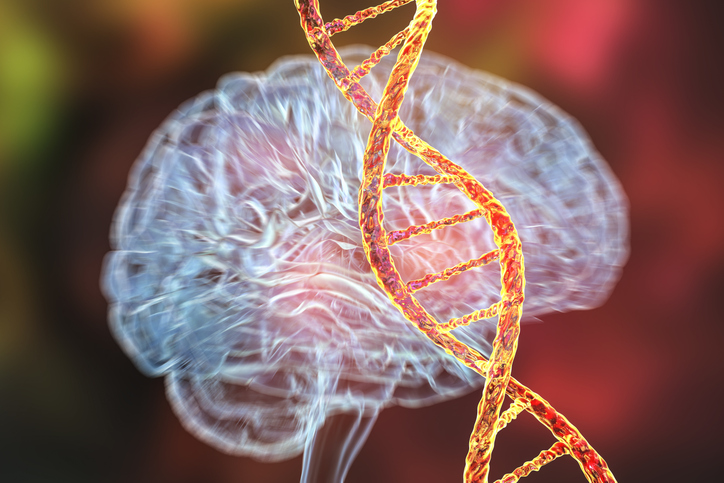
    Genetic brain disorders, neurodegeneration, neurodegenerative disorders, conceptual illustration
    Share
    Facebook Twitter LinkedIn Pinterest Email

    Credit: Dr_Microbe / iStock / Getty Images Plus

    A study published in Proceedings of the National Academy of Sciences shows that targeting the PI31 protein can prevent the degeneration of neurons, restore lost synaptic function, and significantly extend the lifespan of mice with neurodegenerative disorders. This discovery could unlock a novel strategy to prevent neurodegeneration as we age and treat a wide range of neurodegenerative conditions such as Parkinson’s and Alzheimer’s. 

    The PI31 protein is essential for the function of the proteasome, which is responsible for clearing out proteins that are dysfunctional or no longer needed. While this “waste disposal” system is vital for every cell, the proteasome is especially important to prevent the buildup of protein waste in neurons, which can otherwise impair synapse function and promote the formation of protein plaques seen in many neurodegenerative diseases. In neurons, PI31 is responsible for assembling the proteasome and transporting it all the way to the axons, where it plays an essential role in synapse maintenance and cell survival. 

    “A number of diseases—Alzheimer’s, Parkinson’s—are in fact diseases of synaptic dysfunction,” said Hermann Steller, PhD, professor at The Rockefeller University. “Now that we’ve shown how to eliminate unwanted proteins at the synapse, we hope this will lead to a revolution in treating common age-related disorders.” 

    A recent study published by Steller and colleagues had revealed that mutations in the gene that encodes the PI31 protein can be found in patients with a range of neurodegenerative conditions, including Alzheimer’s, Parkinson’s, and amyotrophic lateral sclerosis (ALS). 

    Building off these findings, the current study looked at the effects of increasing PI31 levels in flies and mice with mutations in the FBXO7 gene, which are known to be linked to early-onset neurodegeneration and Parkinson’s disease. In flies, increasing PI31 levels reversed severe motor defects caused by the mutations and restored the movement of proteasomes within neurons. 

    In mice, even a moderate increase in PI31 levels was enough to suppress neuronal degeneration caused by these mutations and preserve motor function. The treatment also cleared away the buildup of abnormal tau proteins that characterizes Parkinson’s and Alzheimer’s, and significantly increased the lifespan of mice, with some living nearly four times longer. “The degree to which we can rescue the various defects in mice is remarkable,” said Steller. 

    Targeting PI31 could have applications beyond treating rare disorders caused by FBXO7 and PI31 deficiencies, potentially reaching a broader group of neurodegenerative conditions including Parkinson’s and Alzheimer’s. Next steps for the research group will include studying whether targeting PI31 can preserve cognitive function in aging mice, which could eventually lead to the development of a treatment with wide-reaching potential. 

    “We’re extremely excited that this is relevant beyond our fly and mouse models,” Steller concluded. “The science implies that our findings may potentially, down the road, allow us to slow down cognitive decline as we age.” 

    Mice Neurodegeneration Proteasome Reversed Target
    Share. Facebook Twitter Pinterest LinkedIn Tumblr WhatsApp Email
    Previous ArticleProbiotics plus omega-3s may boost muscle strength for elite swimmers
    Next Article 15+ Calcium-Rich Breakfast Recipes
    admin
    • Website

    Related Posts

    First-in-Human Success for Prenatal Stem Cell Therapy in Spina Bifida

    February 28, 2026

    Pressure-Driven Pathway Links Liver Congestion to Fibrosis and Cancer

    February 28, 2026

    Genetic Biomarkers to Predict Efficacy of GLP-1 Therapies Uncovered

    February 28, 2026

    Mapping the Cellular Architecture of Aging Across 21 Organs

    February 28, 2026
    Leave A Reply Cancel Reply

    Our Picks

    9 Time-Saving Kitchen Gadgets for Fall at Amazon

    September 5, 2025

    Why Exercise Is So Important For Heart Health, From An MD

    September 5, 2025

    An Engineered Protein Helps Phagocytes Gobble Up Diseased Cells

    September 5, 2025

    How To Get Rid Of Hangnails + Causes From Experts

    September 5, 2025
    • Facebook
    • Twitter
    • Pinterest
    • Instagram
    • YouTube
    • Vimeo
    Don't Miss
    Longevity

    Nautilus debuts Voyager platform in push toward next-gen proteomics

    By adminMarch 1, 20260

    Company’s new benchtop system promises a clearer view of proteins following validation at a leading…

    First-in-Human Success for Prenatal Stem Cell Therapy in Spina Bifida

    February 28, 2026

    Pressure-Driven Pathway Links Liver Congestion to Fibrosis and Cancer

    February 28, 2026

    A cellular atlas of aging comes into focus

    February 28, 2026

    Subscribe to Updates

    Get the latest creative news from SmartMag about art & design.

    About Us

    At FineGut, our mission is simple: to enhance your self-awareness when it comes to your gut health. We believe that a healthy gut is the foundation of overall well-being, and understanding the brain–gut connection can truly transform the way you live.

    Our Picks

    9 Time-Saving Kitchen Gadgets for Fall at Amazon

    September 5, 2025

    Why Exercise Is So Important For Heart Health, From An MD

    September 5, 2025

    An Engineered Protein Helps Phagocytes Gobble Up Diseased Cells

    September 5, 2025
    Gut Health

    Nautilus debuts Voyager platform in push toward next-gen proteomics

    March 1, 2026

    First-in-Human Success for Prenatal Stem Cell Therapy in Spina Bifida

    February 28, 2026

    Pressure-Driven Pathway Links Liver Congestion to Fibrosis and Cancer

    February 28, 2026
    X (Twitter) YouTube
    • Contact us
    • Privacy Policy
    • Disclaimer
    • Terms and Conditions
    © 2026 finegut.com. Designed by Pro.

    Type above and press Enter to search. Press Esc to cancel.