
Close Menu
My Blog

    Subscribe to Updates

    Get the latest creative news from FooBar about art, design and business.

    What's Hot

    Nautilus debuts Voyager platform in push toward next-gen proteomics

    March 1, 2026

    First-in-Human Success for Prenatal Stem Cell Therapy in Spina Bifida

    February 28, 2026

    Pressure-Driven Pathway Links Liver Congestion to Fibrosis and Cancer

    February 28, 2026
    Facebook X (Twitter) Instagram
    X (Twitter) YouTube
    My BlogMy Blog
    Sunday, March 1
    • Home
    • About Us
    • Healthy Living
    • DNA & Genetics
    • Podcast
    • Shop
    My Blog
    Home»Microbiome»Immune System Flags Dengue Vaccination Vulnerabilities
    Microbiome

    Immune System Flags Dengue Vaccination Vulnerabilities

    adminBy adminSeptember 25, 2025No Comments3 Mins Read
    Facebook Twitter Pinterest LinkedIn Tumblr WhatsApp VKontakte Email
    Immune System Flags Dengue Vaccination Vulnerabilities
    Share
    Facebook Twitter LinkedIn Pinterest Email

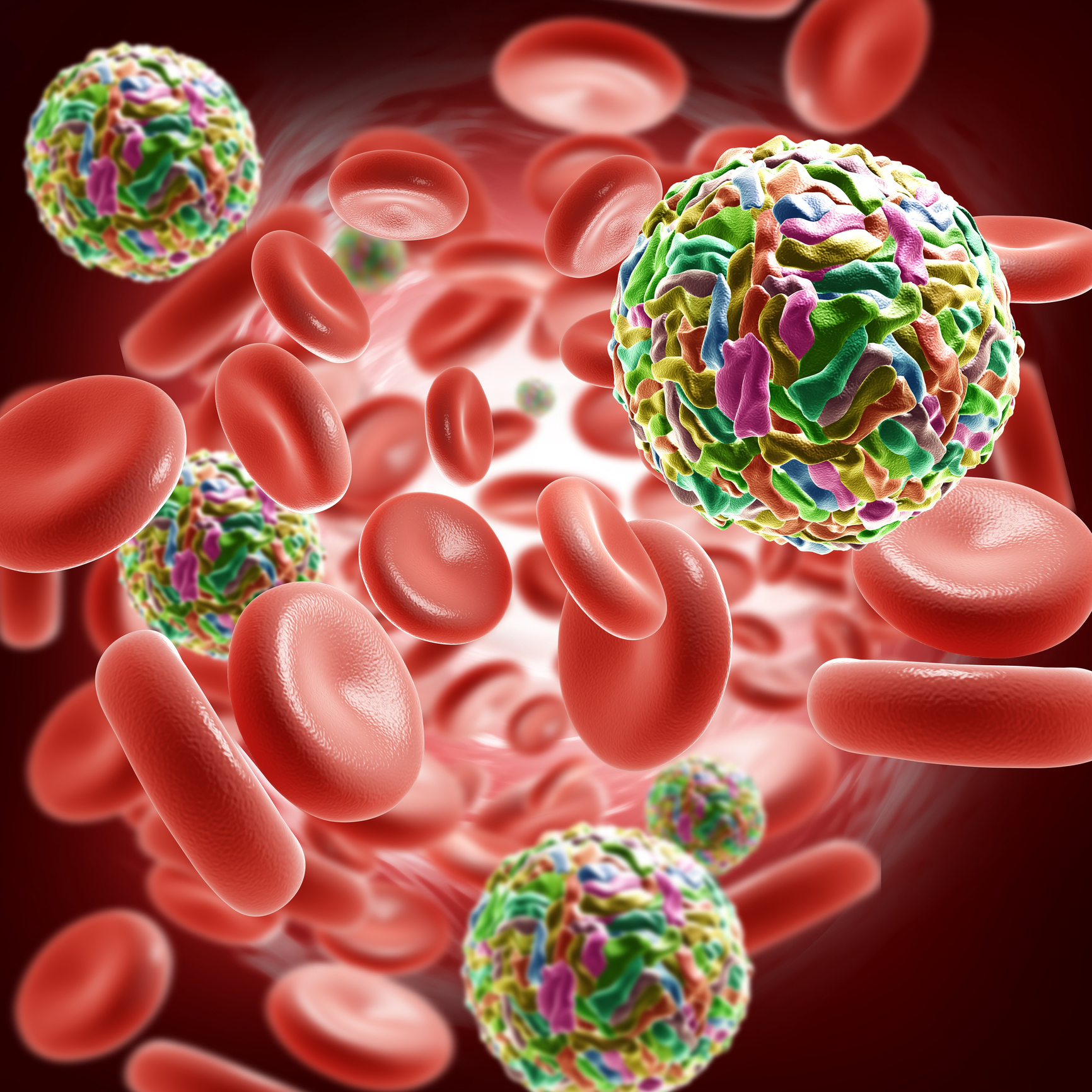
    Credit: PIXOLOGICSTUDIO /SCIENCE PHOTO LIBRARY/ Getty Images

    A particular immune system signature present in the antibodies of some people could leave them at increased risk of dengue fever after vaccination, researchers reported.

    The findings, in Science Translational Medicine, demonstrated how both the quality and quantity of antibodies generated by vaccines can affect their effectiveness.

    The study found that people with a particular modification in their immunoglobulin (IgG) antibodies were susceptible to reinfection. The research highlights immune factors that could be targeted in future vaccine strategies for both dengue and other diseases.

    “Overall, these findings emphasize the importance of considering both neutralizing and non-neutralizing antibody characteristics in vaccine development and evaluation,” summarized Usama Ashraf, PhD, from Stanford University, and coworkers.

    Dengue viruses are transmitted by mosquitoes mostly in tropical and subtropical regions and result in around 390 million infections worldwide each year, with only around a quarter of these symptomatic.

    The current study assessed Dengvaxia, which is the first licensed vaccine against dengue and is effective for people who have already had virologically confirmed symptomatic infections.

    However, it is less effective against subclinical infection, especially among people who are seronegative upon vaccination.

    Although Dengvaxia is no longer in widespread use, the researchers saw it as an opportunity to study the correlates of protection after vaccination and learn about factors that contributed to immunity against these viruses.

    The team studied IgG antibodies in 88 people who received Dengvaxia and had a prior history of dengue exposure. Antibody profiles before and after vaccination were compared among people who became infected post-vaccination and those who did not.

    Results showed that those who became reinfected after Dengvaxia vaccination had more antibodies against dengue that were afucosylated, in which a fucose sugar molecule is absent from the N-linked glycan chain attached to the antibody’s fragment crystallizable (Fc) region.

    Further investigations revealed that afucosylated IgG antibodies enhanced the replication of the virus in mice with dengue, amplifying infection by interacting with the receptor CD16 in cells.

    The researchers looked at the performance of IgG1 afucosylation in vaccine failure—defined as infection after vaccination—and compared it with a traditional correlate of protection against dengue, in the form of neutralizing antibody titers measured by plaque reduction neutralization tests (PRNTs).

    A postvaccination PRNT cutoff of <400 had high sensitivity, accurately identifying most people who later experienced breakthrough infection. But it had limited specificity, which led to many false positives among those who remained uninfected.

    In contrast, a prevaccination anti-E IgG1 afucosylation threshold of >9% showed high specificity, correctly classifying individuals who eventually became infected, although its lower sensitivity resulted in missed identification of some at-risk individuals.

    “By focusing on infection rather than symptomatic disease, we address a critical gap in understanding host immune factors that contribute to DENV transmission,” the researchers maintained.

    “By identifying antibody features that predict susceptibility to infection, this study provides insights into dengue immunity and highlights immune factors that may be targeted in future vaccine strategies.”

    They added: “These findings suggest that measuring prevaccination Fc afucosylation may be a highly specific tool for identifying a subset of individuals at elevated risk of infection after vaccination, potentially informing targeted interventions such as booster doses or antibody-based therapies.”

    dengue flags Immune System Vaccination Vulnerabilities
    Share. Facebook Twitter Pinterest LinkedIn Tumblr WhatsApp Email
    Previous ArticleVitamin E tocotrienols show promise for cognitive health and sleep
    Next Article Using short synthetic nucleic acids to probe genes in viruses that infect bacteria
    admin
    • Website

    Related Posts

    First-in-Human Success for Prenatal Stem Cell Therapy in Spina Bifida

    February 28, 2026

    Pressure-Driven Pathway Links Liver Congestion to Fibrosis and Cancer

    February 28, 2026

    Genetic Biomarkers to Predict Efficacy of GLP-1 Therapies Uncovered

    February 28, 2026

    Mapping the Cellular Architecture of Aging Across 21 Organs

    February 28, 2026
    Leave A Reply Cancel Reply

    Our Picks

    9 Time-Saving Kitchen Gadgets for Fall at Amazon

    September 5, 2025

    Why Exercise Is So Important For Heart Health, From An MD

    September 5, 2025

    An Engineered Protein Helps Phagocytes Gobble Up Diseased Cells

    September 5, 2025

    How To Get Rid Of Hangnails + Causes From Experts

    September 5, 2025
    • Facebook
    • Twitter
    • Pinterest
    • Instagram
    • YouTube
    • Vimeo
    Don't Miss
    Longevity

    Nautilus debuts Voyager platform in push toward next-gen proteomics

    By adminMarch 1, 20260

    Company’s new benchtop system promises a clearer view of proteins following validation at a leading…

    First-in-Human Success for Prenatal Stem Cell Therapy in Spina Bifida

    February 28, 2026

    Pressure-Driven Pathway Links Liver Congestion to Fibrosis and Cancer

    February 28, 2026

    A cellular atlas of aging comes into focus

    February 28, 2026

    Subscribe to Updates

    Get the latest creative news from SmartMag about art & design.

    About Us

    At FineGut, our mission is simple: to enhance your self-awareness when it comes to your gut health. We believe that a healthy gut is the foundation of overall well-being, and understanding the brain–gut connection can truly transform the way you live.

    Our Picks

    9 Time-Saving Kitchen Gadgets for Fall at Amazon

    September 5, 2025

    Why Exercise Is So Important For Heart Health, From An MD

    September 5, 2025

    An Engineered Protein Helps Phagocytes Gobble Up Diseased Cells

    September 5, 2025
    Gut Health

    Nautilus debuts Voyager platform in push toward next-gen proteomics

    March 1, 2026

    First-in-Human Success for Prenatal Stem Cell Therapy in Spina Bifida

    February 28, 2026

    Pressure-Driven Pathway Links Liver Congestion to Fibrosis and Cancer

    February 28, 2026
    X (Twitter) YouTube
    • Contact us
    • Privacy Policy
    • Disclaimer
    • Terms and Conditions
    © 2026 finegut.com. Designed by Pro.

    Type above and press Enter to search. Press Esc to cancel.