
Close Menu
My Blog

    Subscribe to Updates

    Get the latest creative news from FooBar about art, design and business.

    What's Hot

    Nautilus debuts Voyager platform in push toward next-gen proteomics

    March 1, 2026

    First-in-Human Success for Prenatal Stem Cell Therapy in Spina Bifida

    February 28, 2026

    Pressure-Driven Pathway Links Liver Congestion to Fibrosis and Cancer

    February 28, 2026
    Facebook X (Twitter) Instagram
    X (Twitter) YouTube
    My BlogMy Blog
    Sunday, March 1
    • Home
    • About Us
    • Healthy Living
    • DNA & Genetics
    • Podcast
    • Shop
    My Blog
    Home»DNA & Genetics»Pan-Cancer Immunotherapy Avoids Healthy Tissue by Targeting Glycans
    DNA & Genetics

    Pan-Cancer Immunotherapy Avoids Healthy Tissue by Targeting Glycans

    adminBy adminSeptember 27, 2025No Comments3 Mins Read
    Facebook Twitter Pinterest LinkedIn Tumblr WhatsApp VKontakte Email
    Pan-Cancer Immunotherapy Avoids Healthy Tissue by Targeting Glycans
    Share
    Facebook Twitter LinkedIn Pinterest Email

    Bispecific antibodies and chimeric antigen receptor (CAR) T cells demonstrate potent cancer immunotherapy in clinical use, yet most cancers remain poorly targetable. High-affinity antibodies needed to maximize cancer killing also detect low antigen expression in normal tissue, which causes toxicity in healthy tissue. Identifying cancer-restricted cell-surface protein antigens remains an ongoing challenge. 

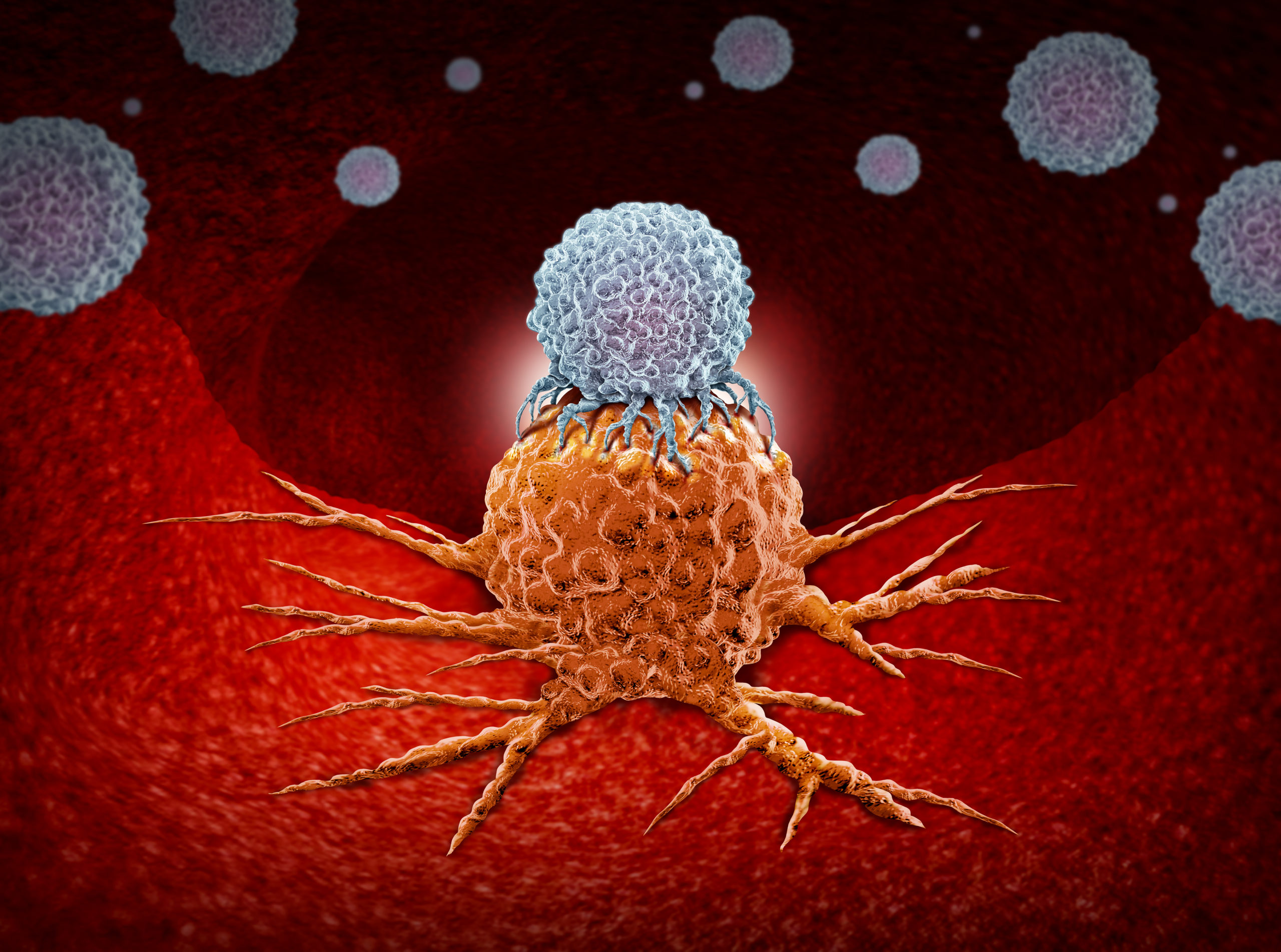
    In a new study published in Cell titled, “Safe immunosuppression-resistant pan-cancer immunotherapeutics by velcro-like density-dependent targeting of tumor-associated carbohydrate antigens,” researchers from the University of California (UC), Irvine, have reported that targeting cancer-associated glycans with binding proteins can trigger tumor cell death without toxicity to surrounding tissue. The biologically engineered immunotherapies, known as glycan-dependent T cell recruiter (GlyTR) compounds, were shown to be safe and effective in models for a spectrum of cancers, including breast, colon, lung, ovaries, pancreas and prostate. 

    “It’s the holy grail—one treatment to kill virtually all cancers,” said Michael Demetriou, MD, PhD, a professor of neurology, microbiology and molecular genetics at the UC Irvine School of Medicine and corresponding author of the study. “GlyTR’s velcro-like sugar-binding technology addresses the two major issues limiting current cancer immunotherapies: distinguishing cancer from normal tissue and cancer’s ability to suppress the immune system.” 

    Both bispecific antibodies and CAR T cells trigger T cell-mediated killing of cancer cells by targeting a cell-surface cancer antigen using modified antibodies. However, applying this strategy to the majority of cancer types, particularly solid cancers, is limited by a lack of safe targetable protein antigens. High-affinity antibodies required for potent cancer killing also detect low target expression in normal tissue to generate potential on-target, off-cancer toxicity. The identification of antigens that are restricted to cancer is needed for broader application. 

    GlyTR bispecific proteins fuse a carbohydrate-recognition domain (CRD) from a lectin to a single-chain variable fragment (scFv) from an antibody targeting CD3, a protein complex on T cells essential for their activation by the T cell receptor (TCR). Lectins use high binding avidity, or velcro-like binding, to achieve specificity for glycan targets. High-avidity binding of lectins results from the high density of glycan targets on the cell surface and multiple CRDs in the lectin. The authors tested the hypothesis that multivalent GlyTR immunotherapy should allow safe pan-cancer activity by targeting high-TACA density cancer cells while evading the risk of on-target, off-cancer toxicity by ignoring lower-expressing normal tissue. 

    Tumor-associated carbohydrate antigens (TACAs) are the most abundant and widespread cancer antigens known but are poorly targetable by antibodies. While these complex sugar chains are the most widespread cancer antigens, research on the role of glycans in immunotherapy were limited because these glycans are inert to the immune system.  

    The study showed that GlyTR1 and GlyTR2 bind immunosuppressive multiple TACAs to overcome immunosuppressive mechanisms in the tumor microenvironment and trigger target-density-dependent T cell-mediated pan-cancer killing, yet they lack toxicity in mice with human-like TACA expression. Results supported the notion that density-dependent lectin binding to TACAs provides highly potent and safe pan-cancer immunotherapies.

    Future directions will test the therapy’s safety and effectiveness in humans. According to Demetriou, clinical grade GlyTR1 protein manufacturing is already being developed at the NCI Experimental Therapeutics program labs in Maryland, which would enable the launch of a Phase I clinical trial within two years.  

    Avoids Glycans Healthy Immunotherapy PanCancer targeting Tissue
    Share. Facebook Twitter Pinterest LinkedIn Tumblr WhatsApp Email
    Previous ArticleBig mother whales have more daughters than sons
    Next Article Women’s health hubs offer a scalable, equitable future for gynaecological care
    admin
    • Website

    Related Posts

    A Video Report from AGBT

    February 27, 2026

    Novo Nordisk, Vivtex Ink Up to $2.1B Deal to Develop Oral Biologics for Metabolic Conditions

    February 27, 2026

    Increasing Rice Yields with Gene-Informed Selective Breeding

    February 27, 2026

    Mutant p53 Selective Reactivation Demonstrated in Advanced Solid Tumors

    February 27, 2026
    Leave A Reply Cancel Reply

    Our Picks

    9 Time-Saving Kitchen Gadgets for Fall at Amazon

    September 5, 2025

    Why Exercise Is So Important For Heart Health, From An MD

    September 5, 2025

    An Engineered Protein Helps Phagocytes Gobble Up Diseased Cells

    September 5, 2025

    How To Get Rid Of Hangnails + Causes From Experts

    September 5, 2025
    • Facebook
    • Twitter
    • Pinterest
    • Instagram
    • YouTube
    • Vimeo
    Don't Miss
    Longevity

    Nautilus debuts Voyager platform in push toward next-gen proteomics

    By adminMarch 1, 20260

    Company’s new benchtop system promises a clearer view of proteins following validation at a leading…

    First-in-Human Success for Prenatal Stem Cell Therapy in Spina Bifida

    February 28, 2026

    Pressure-Driven Pathway Links Liver Congestion to Fibrosis and Cancer

    February 28, 2026

    A cellular atlas of aging comes into focus

    February 28, 2026

    Subscribe to Updates

    Get the latest creative news from SmartMag about art & design.

    About Us

    At FineGut, our mission is simple: to enhance your self-awareness when it comes to your gut health. We believe that a healthy gut is the foundation of overall well-being, and understanding the brain–gut connection can truly transform the way you live.

    Our Picks

    9 Time-Saving Kitchen Gadgets for Fall at Amazon

    September 5, 2025

    Why Exercise Is So Important For Heart Health, From An MD

    September 5, 2025

    An Engineered Protein Helps Phagocytes Gobble Up Diseased Cells

    September 5, 2025
    Gut Health

    Nautilus debuts Voyager platform in push toward next-gen proteomics

    March 1, 2026

    First-in-Human Success for Prenatal Stem Cell Therapy in Spina Bifida

    February 28, 2026

    Pressure-Driven Pathway Links Liver Congestion to Fibrosis and Cancer

    February 28, 2026
    X (Twitter) YouTube
    • Contact us
    • Privacy Policy
    • Disclaimer
    • Terms and Conditions
    © 2026 finegut.com. Designed by Pro.

    Type above and press Enter to search. Press Esc to cancel.