
Close Menu
My Blog

    Subscribe to Updates

    Get the latest creative news from FooBar about art, design and business.

    What's Hot

    Nautilus debuts Voyager platform in push toward next-gen proteomics

    March 1, 2026

    First-in-Human Success for Prenatal Stem Cell Therapy in Spina Bifida

    February 28, 2026

    Pressure-Driven Pathway Links Liver Congestion to Fibrosis and Cancer

    February 28, 2026
    Facebook X (Twitter) Instagram
    X (Twitter) YouTube
    My BlogMy Blog
    Sunday, March 1
    • Home
    • About Us
    • Healthy Living
    • DNA & Genetics
    • Podcast
    • Shop
    My Blog
    Home»Gut Health»pioneer primatologist who inspired generations of scientists
    Gut Health

    pioneer primatologist who inspired generations of scientists

    adminBy adminOctober 6, 2025No Comments3 Mins Read
    Facebook Twitter Pinterest LinkedIn Tumblr WhatsApp VKontakte Email
    pioneer primatologist who inspired generations of scientists
    Share
    Facebook Twitter LinkedIn Pinterest Email

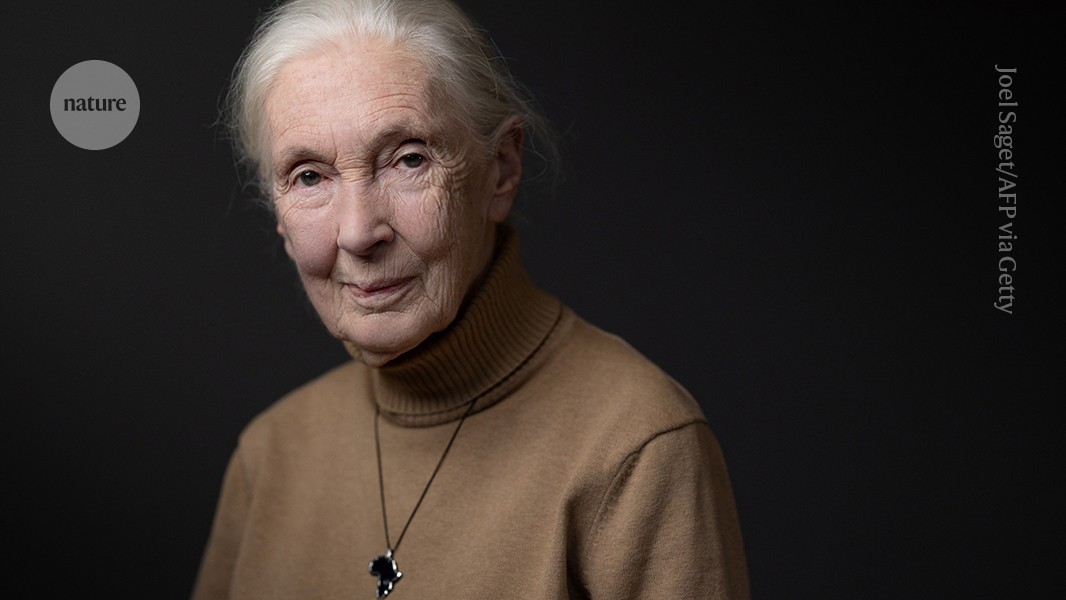
    In the 1960s, scientists classed chimpanzees, bonobos, gorillas and orangutans as a distinct family (Pongidae), thinking that these great apes had long diverged from humans. Few scholars expected that, in nature, these apes would display strikingly human-like behaviour. Jane Goodall, who has died aged 91, overturned this view with her groundbreaking observations of wild chimpanzees (Pan troglodytes).

    Jane Goodall’s legacy: three ways she changed science

    Her discoveries foreshadowed the genetic evidence showing that chimpanzees, bonobos (Pan paniscus) and humans are more closely related to one another than to gorillas (Gorilla spp.) and orangutans (Pongo spp.). The findings had a major role in shifting perceptions towards recognizing the importance of emotions, personalities and complex cognition, reshaping scientific and public understanding of human evolution. She was a tireless advocate for conservation, the welfare of captive chimpanzees and the protection of habitats — work now carried forwards through the Jane Goodall Institute in Washington, DC.

    Her fascination with animals began early. Born in north London in 1934, she famously disappeared during a Second World War air raid when she was around six years old, only to be found sitting quietly in a chicken coop, watching a hen lay an egg. She often told this story to illustrate the patience and curiosity that defined her life’s work.

    In 1957, after working as a secretary for some years, Goodall accepted a friend’s invitation to visit Kenya. In Nairobi, she sought out the renowned palaeontologist Louis Leakey, who invited her to join him and his wife Mary on a fossil-hunting expedition in Olduvai Gorge in northern Tanzania, known as the Cradle of Humankind for its rich deposit of early hominid fossils and stone tools. During the trip, she committed to studying chimpanzees in what is now called Gombe National Park in Tanzania — a small, 35-square-kilometre patch of forest that Leakey had long hoped to investigate.
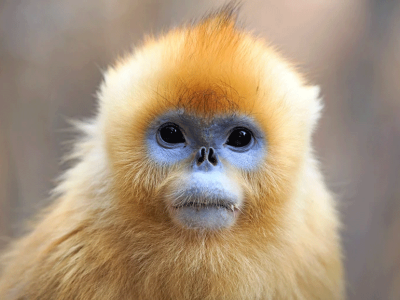
    Biggest ever study of primate genomes has surprises for humanity

    To prepare, she persuaded John Napier, a leading anthropologist, to tutor her privately in primatology. She was dismayed to learn that the main chimpanzee study of the time, conducted in 1929–30, had lasted for only four months and had been done by a large, intrusive expedition operating in classic colonial excess. She was not surprised that it had produced few results.

    By contrast, when she arrived in Gombe in July 1960, she spent many months patiently tracking chimpanzees in the hills, sometimes sleeping alone in the park. By her fourth month, she had made her first world-shaking discoveries: chimpanzees not only ate and shared meat but also fashioned tools. The tools were modified grass stems that were then used to extract edible termites from their mounds (J. Goodall Nature 201, 1264–1266; 1964).

    Her findings earned her long-term support. In 1961, she began a PhD at the University of Cambridge, UK, under zoologist Robert Hinde, who encouraged her to focus on social relationships, individual personalities and the expression of emotions. She gained intimate access to chimpanzees by providing them with bananas, which allowed her to document their lives in unprecedented detail. She observed their political manoeuvring, deception, coalitional aggression and cooperation outside family groups — behaviours that indicated previously unsuspected levels of social intelligence.

    generations inspired pioneer Primatologist Scientists
    Share. Facebook Twitter Pinterest LinkedIn Tumblr WhatsApp Email
    Previous Articlethe dilemmas of a just energy transition
    Next Article What Mars In Scorpio Means For All 12 Zodiac Signs
    admin
    • Website

    Related Posts

    The ins and outs of the new Dietary Guidelines for Americans in light of the gut microbiome

    February 25, 2026

    Manchester Calling: The Families and Scientists Refusing to Let Hunter Syndrome Go Unfunded

    February 19, 2026

    Patrick Veiga – Gut Microbiota for Health

    February 17, 2026

    The gut microbiome puzzle and probiotics in primary care patients with IBS

    February 16, 2026
    Leave A Reply Cancel Reply

    Our Picks

    9 Time-Saving Kitchen Gadgets for Fall at Amazon

    September 5, 2025

    Why Exercise Is So Important For Heart Health, From An MD

    September 5, 2025

    An Engineered Protein Helps Phagocytes Gobble Up Diseased Cells

    September 5, 2025

    How To Get Rid Of Hangnails + Causes From Experts

    September 5, 2025
    • Facebook
    • Twitter
    • Pinterest
    • Instagram
    • YouTube
    • Vimeo
    Don't Miss
    Longevity

    Nautilus debuts Voyager platform in push toward next-gen proteomics

    By adminMarch 1, 20260

    Company’s new benchtop system promises a clearer view of proteins following validation at a leading…

    First-in-Human Success for Prenatal Stem Cell Therapy in Spina Bifida

    February 28, 2026

    Pressure-Driven Pathway Links Liver Congestion to Fibrosis and Cancer

    February 28, 2026

    A cellular atlas of aging comes into focus

    February 28, 2026

    Subscribe to Updates

    Get the latest creative news from SmartMag about art & design.

    About Us

    At FineGut, our mission is simple: to enhance your self-awareness when it comes to your gut health. We believe that a healthy gut is the foundation of overall well-being, and understanding the brain–gut connection can truly transform the way you live.

    Our Picks

    9 Time-Saving Kitchen Gadgets for Fall at Amazon

    September 5, 2025

    Why Exercise Is So Important For Heart Health, From An MD

    September 5, 2025

    An Engineered Protein Helps Phagocytes Gobble Up Diseased Cells

    September 5, 2025
    Gut Health

    Nautilus debuts Voyager platform in push toward next-gen proteomics

    March 1, 2026

    First-in-Human Success for Prenatal Stem Cell Therapy in Spina Bifida

    February 28, 2026

    Pressure-Driven Pathway Links Liver Congestion to Fibrosis and Cancer

    February 28, 2026
    X (Twitter) YouTube
    • Contact us
    • Privacy Policy
    • Disclaimer
    • Terms and Conditions
    © 2026 finegut.com. Designed by Pro.

    Type above and press Enter to search. Press Esc to cancel.