
Close Menu
My Blog

    Subscribe to Updates

    Get the latest creative news from FooBar about art, design and business.

    What's Hot

    Nautilus debuts Voyager platform in push toward next-gen proteomics

    March 1, 2026

    First-in-Human Success for Prenatal Stem Cell Therapy in Spina Bifida

    February 28, 2026

    Pressure-Driven Pathway Links Liver Congestion to Fibrosis and Cancer

    February 28, 2026
    Facebook X (Twitter) Instagram
    X (Twitter) YouTube
    My BlogMy Blog
    Sunday, March 1
    • Home
    • About Us
    • Healthy Living
    • DNA & Genetics
    • Podcast
    • Shop
    My Blog
    Home»Microbiome»FDA Clears First-in-Class Heart Tissue Regeneration Drug for In-Human Trials
    Microbiome

    FDA Clears First-in-Class Heart Tissue Regeneration Drug for In-Human Trials

    adminBy adminOctober 8, 2025No Comments3 Mins Read
    Facebook Twitter Pinterest LinkedIn Tumblr WhatsApp VKontakte Email
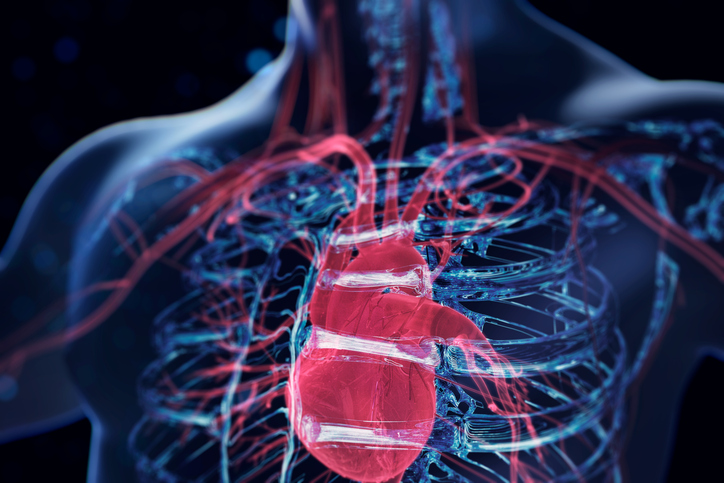
    Human heart
    Share
    Facebook Twitter LinkedIn Pinterest Email

    Credit: Yuichiro Chino/Getty Images

    In a development that could significantly improve treatment outcomes for patients with heart failure and other organ injuries, the U.S. Food and Drug Administration (FDA) has cleared the monoclonal antibody AD-NP1 for in-human clinical trials. The first-in-class therapeutic targets ENPP1, a protein that was identified by UCLA researcher Arjun Deb, MD, as a key regulator of impaired tissue repair following heart attack and other acute organ damage.

    AD-NP1 was developed over seven years in the Deb laboratory, using funding exclusively from the National Institutes of Health, the Department of Defense, and the California Institute for Regenerative Medicine.

    “This work has been entirely funded by taxpayer dollars and done entirely within the University of California research ecosystem,” said Deb, who is director of cardiovascular research at UCLA. “I have not taken a cent from any private donor or company to develop this drug. This process has advantages of lower costs, potentially shorter development time, and the principal investigator being in control of the science and having intellectual freedom with the development of the molecule, which is the most important of all.”

    ENPP1 (ectonucleotide pyrophosphatase/phosphodiesterase 1) is an ectonucleotidase that hydrolyzes extracellular ATP to form adenosine monophosphate (AMP). As described in a paper published in the Journal of Clinical Investigation in November 2021, AMP is then metabolized by cardiomyocytes into adenine and purine nucleosides that interfere with pyrimidine biosynthesis in surrounding non-muscle cells including fibroblasts and endothelial cells, leading to cell death and impeding tissue repair.

    These cytotoxic purines disrupt the purine/pyrimidine balance in proliferating nonmyocytes, inducing a DNA damage response and apoptosis. The death of these cells, which are essential for wound healing, results in increased fibrosis and decreased cardiac function after injury.

    The monoclonal antibody AD-NP1 was specifically engineered to bind human ENPP1 and inhibit its function, thereby preventing the cascade of events that block tissue repair in the heart. “Much like people eat food to get energy, cells also require energy to multiply and grow and function, and this is more critical when the tissue is injured,” said Deb. “That is what we saw: increased ENPP1 expression interfered with critical pathways that are needed for a cell to derive energy.”

    In preclinical studies in mice and nonhuman primates, Deb and his team showed that AD-NP1 restored energy metabolism and reduced fibrosis in damaged heart tissue. “When AD-NP1 was used in animals, the heart muscle had more energy and contracted much more vigorously, preventing the development of heart failure,” Deb said.

    The new drug takes a novel approach to tissue regeneration by blocking a harmful metabolic pathway compared with other efforts to repair tissue that have focused on stem cell treatment or tissue grafts. As Deb noted “you use the power of the body’s own repair system and optimize it to make it so much better.”

    With the FDA clearing AD-NP1 for in-human trials, the UCLA will look to launch a Phase I study to evaluate its safety. For this, the team will monitor changes in heart function, the extent of tissue regeneration, and heart muscle scar formation while also measuring levels of biomarkers indicative of metabolic recovery such as orotidine, which the researchers showed was elevated in earlier animal studies.

    While the initial trials will focus on treatment of patients with heart failure, the team believes the effects are likely to be pertinent to healing in other organs, such as the kidney and liver, where the same ENPP1 pathway impairs repair after injury.

    Clears drug FDA FirstinClass Heart InHuman Regeneration Tissue trials
    Share. Facebook Twitter Pinterest LinkedIn Tumblr WhatsApp Email
    Previous ArticlePrizes must recognize machine contributions to discovery
    Next Article Next-gen ingredient technologies take center stage for BLS
    admin
    • Website

    Related Posts

    First-in-Human Success for Prenatal Stem Cell Therapy in Spina Bifida

    February 28, 2026

    Pressure-Driven Pathway Links Liver Congestion to Fibrosis and Cancer

    February 28, 2026

    Genetic Biomarkers to Predict Efficacy of GLP-1 Therapies Uncovered

    February 28, 2026

    Mapping the Cellular Architecture of Aging Across 21 Organs

    February 28, 2026
    Leave A Reply Cancel Reply

    Our Picks

    9 Time-Saving Kitchen Gadgets for Fall at Amazon

    September 5, 2025

    Why Exercise Is So Important For Heart Health, From An MD

    September 5, 2025

    An Engineered Protein Helps Phagocytes Gobble Up Diseased Cells

    September 5, 2025

    How To Get Rid Of Hangnails + Causes From Experts

    September 5, 2025
    • Facebook
    • Twitter
    • Pinterest
    • Instagram
    • YouTube
    • Vimeo
    Don't Miss
    Longevity

    Nautilus debuts Voyager platform in push toward next-gen proteomics

    By adminMarch 1, 20260

    Company’s new benchtop system promises a clearer view of proteins following validation at a leading…

    First-in-Human Success for Prenatal Stem Cell Therapy in Spina Bifida

    February 28, 2026

    Pressure-Driven Pathway Links Liver Congestion to Fibrosis and Cancer

    February 28, 2026

    A cellular atlas of aging comes into focus

    February 28, 2026

    Subscribe to Updates

    Get the latest creative news from SmartMag about art & design.

    About Us

    At FineGut, our mission is simple: to enhance your self-awareness when it comes to your gut health. We believe that a healthy gut is the foundation of overall well-being, and understanding the brain–gut connection can truly transform the way you live.

    Our Picks

    9 Time-Saving Kitchen Gadgets for Fall at Amazon

    September 5, 2025

    Why Exercise Is So Important For Heart Health, From An MD

    September 5, 2025

    An Engineered Protein Helps Phagocytes Gobble Up Diseased Cells

    September 5, 2025
    Gut Health

    Nautilus debuts Voyager platform in push toward next-gen proteomics

    March 1, 2026

    First-in-Human Success for Prenatal Stem Cell Therapy in Spina Bifida

    February 28, 2026

    Pressure-Driven Pathway Links Liver Congestion to Fibrosis and Cancer

    February 28, 2026
    X (Twitter) YouTube
    • Contact us
    • Privacy Policy
    • Disclaimer
    • Terms and Conditions
    © 2026 finegut.com. Designed by Pro.

    Type above and press Enter to search. Press Esc to cancel.