

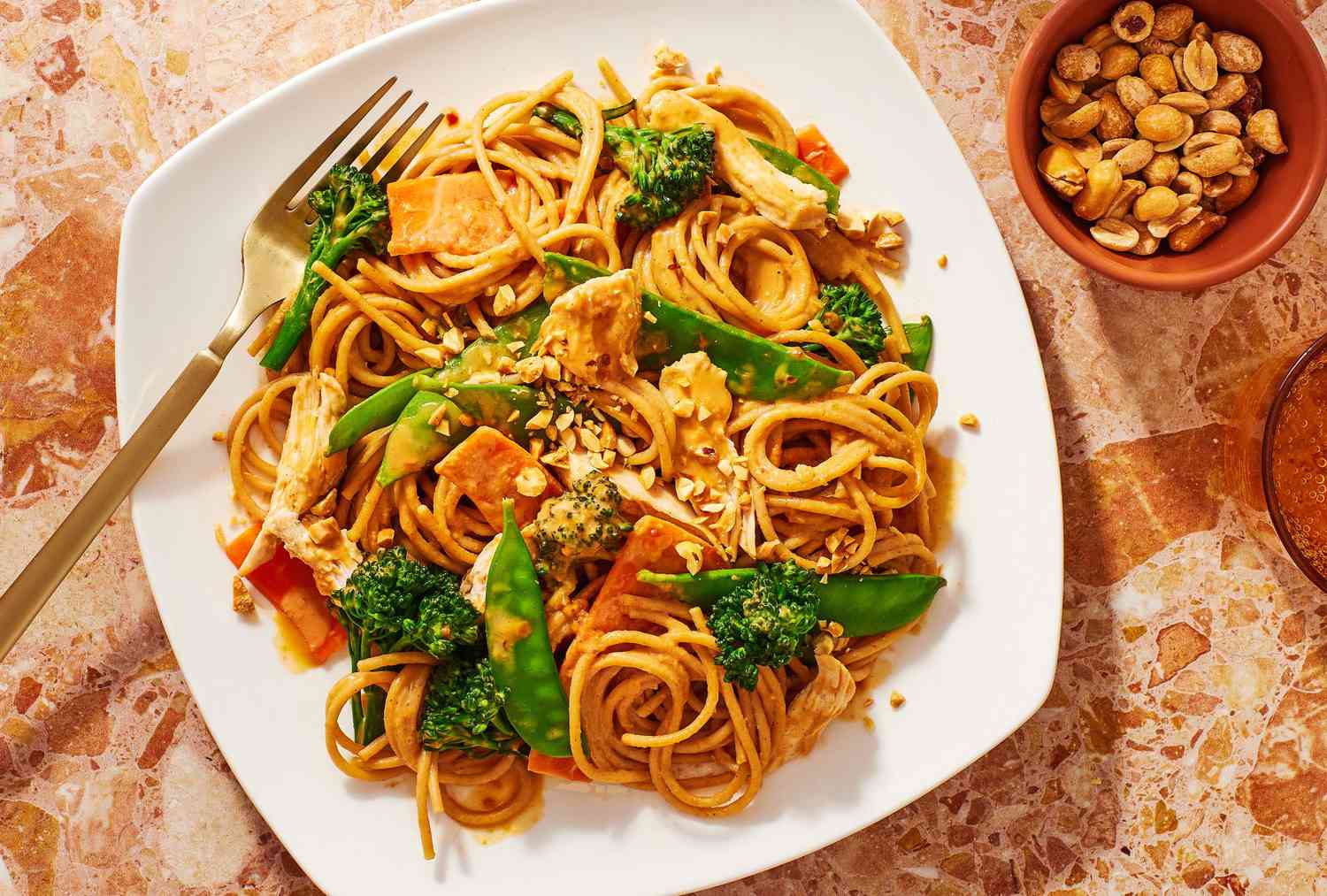
- Peanuts provide plant protein, fiber and healthy fats that support heart health.
- Regular peanut intake may help improve cholesterol, blood sugar and inflammation.
- Peanuts are affordable and versatile, making the Mediterranean diet easier to follow.
When you think of the Mediterranean diet, almonds, walnuts, and pistachios probably come to mind. But there’s another pantry staple that deserves a spot on your plate: peanuts. Whether it’s a soup from Bolivia or a stir-fry from China, this humble legume has earned its place in kitchens around the world.
What makes peanuts “Mediterranean diet–worthy” is their nutrition profile. They’re rich in heart-healthy fats, plant protein, and fiber—nutrients that research links to better cholesterol, blood sugar control, and long-term heart health. Best of all, peanuts deliver many of the same benefits as tree nuts, but at a fraction of the cost, making Mediterranean-style eating more budget-friendly and accessible.
Peanut Health and Nutrition
Rather than having strict parameters (a common drawback of fad diets), the Mediterranean diet is a healthy eating pattern that focuses on increasing the intake of certain foods, like fruits, vegetables and whole grains, while limiting others, like red meat and foods with excess added sugar and sodium. One important food group that this eating pattern focuses on is legumes, as they’re a high-fiber source of lean protein and low in saturated fat (the kind of fat that can do harm when eaten in excess). Peanuts are a type of legume, though often thought of as a nut—another healthy food group that fits the Mediterranean diet eating pattern.
Peanuts pack a ton of nutritional benefits into their shell. One ounce of raw (not roasted), no-salt-added peanuts contains:
- Calories: 160
- Total Carbohydrates: 5 g
- Dietary Fiber: 2 g
- Total Sugar: 1 g
- Added Sugar: 0 g
- Protein: 7 g
- Total Fat: 14 g
- Saturated Fat: 2 g
- Cholesterol: 0 g
- Sodium: 3 mg
- Folate: 68 mcg
- Magnesium: 49 mg
With their trifecta of fiber, protein and fat, snacking on peanuts may help you stay energized between meals. They’re also a good source of important nutrients like folate and magnesium. One ounce of peanuts provides 7% of the Daily Value for folate. And two tablespoons of peanut butter offer 12% of the Daily Value for magnesium.
Research shows that peanuts may help reduce inflammation and improve heart health by lowering cholesterol and blood pressure levels. Their beneficial effects come not only from their healthy fat profile but also from antioxidants such as phytosterols, phenols, stilbenes, lignans and isoflavonoids—plant-based nutrients linked to protection against cardiovascular disease, type 2 diabetes, and even certain cancers.
Cooking with Peanuts
Whether you’re using peanuts, peanut butter or peanut oil, there are so many delicious ways to incorporate this healthy ingredient in your cooking while following the Mediterranean diet. Here, we’ll break down different dishes you can try from around the globe that highlight the different forms of peanuts in all their glory.
Peanuts
Incorporate peanuts into your meals by using them in a salad like this high-protein Chopped Salad with Sriracha Tofu & Peanut Dressing. As a bonus, this salad mix is so hearty you can make a big batch and let it sit few hours before serving to allow the flavors to blend nicely.
Peanuts are also highlighted in Kung Pao Tofu and Kung Pao Chicken with Bell Peppers. Both adapted versions of the classic Szechuan dish fit nicely into a Mediterranean diet eating pattern, due to the addition of lean protein (tofu or chicken, respectively), plenty of colorful vegetables and, when served over brown rice, fiber-rich whole grains. Peanuts are used as a crunchy garnish, while the plant-based dish also features peanut oil to sauté the tofu and peppers.
Peanut Butter
There are plenty of tasty ways to incorporate peanut butter into your meals. The pantry-friendly staple can be used as a spread on toast or incorporated into dressings, marinades and sauces. In Chicken Satay with Spicy Peanut Sauce, peanut butter is used to create a smooth sauce, perfect for dipping. Satay recipes across southeast Asia, including Indonesia, Singapore and Thailand, use peanut sauce to complement an array of grilled meats.
Another recipe that uses peanut butter is Quinoa Peanut Soup (Sopa de Mani). This take on a traditional Bolivian soup incorporates natural peanut butter. When stirred in at the end, peanut butter adds a nutty finish and deepens the flavor of the broth. This soup also features another key ingredient of the Mediterranean diet, whole grains. The quinoa and peanut butter both add a boost of protein to this healthy soup.
Peanut butter can also be used in sweet recipes. It’s a great addition in desserts, from No-Bake Peanut Butter Cookies to Chocolate Peanut Butter Pie. It can also be used in snacks, like Peanut Butter Energy Balls and Chocolate-Peanut Butter Energy Bars. Making your own desserts and snacks is a great way to control the amount of added sugar. Limiting the amount of sweets and processed foods you eat is a key principle of the Mediterranean diet.
Peanut Oil
Peanut oil can be a healthy option when you’re cooking. While its nutrition benefits differ from the whole food—peanuts are a great source of fiber and protein—a 1-tablespoon serving of peanut oil provides healthy unsaturated fats and is high in vitamin E. It has a high smoke point, about 450°F, so it’s many cooks’ go-to choice for deep-frying and stir-frying. For example, you could use it in Ebi Yakisoba (Stir-Fried Noodles with Shrimp & Vegetables) or in Vegan Pad Thai with Tofu.
The nutty oil can also be used as a flavoring, like in Beef Suya Tacos. Suya, which has roots in Nigeria, is a grilled skewer of meat. While the Mediterranean diet suggests limiting your red meat intake, you can still enjoy it in moderation. The flexibility in the eating plan’s parameters is one of the reasons for its continued popularity and long-term sustainability.
Our Expert Take
Peanuts are a delicious and healthy ingredient; they fit the principles of the Mediterranean diet and are well worth adding to your meals. Their satiating combination of protein, fiber and fats can help you stay full for longer periods of time. From salsas to desserts, there are numerous dishes you can make with peanuts, making it easy for you to incorporate Mediterranean diet principles with your current eating habits and cultural preferences.
