
Close Menu
My Blog

    Subscribe to Updates

    Get the latest creative news from FooBar about art, design and business.

    What's Hot

    Nautilus debuts Voyager platform in push toward next-gen proteomics

    March 1, 2026

    First-in-Human Success for Prenatal Stem Cell Therapy in Spina Bifida

    February 28, 2026

    Pressure-Driven Pathway Links Liver Congestion to Fibrosis and Cancer

    February 28, 2026
    Facebook X (Twitter) Instagram
    X (Twitter) YouTube
    My BlogMy Blog
    Sunday, March 1
    • Home
    • About Us
    • Healthy Living
    • DNA & Genetics
    • Podcast
    • Shop
    My Blog
    Home»Microbiome»How the Lungs Repair Themselves: A Molecular Switch for Regeneration
    Microbiome

    How the Lungs Repair Themselves: A Molecular Switch for Regeneration

    adminBy adminOctober 15, 2025No Comments3 Mins Read
    Facebook Twitter Pinterest LinkedIn Tumblr WhatsApp VKontakte Email
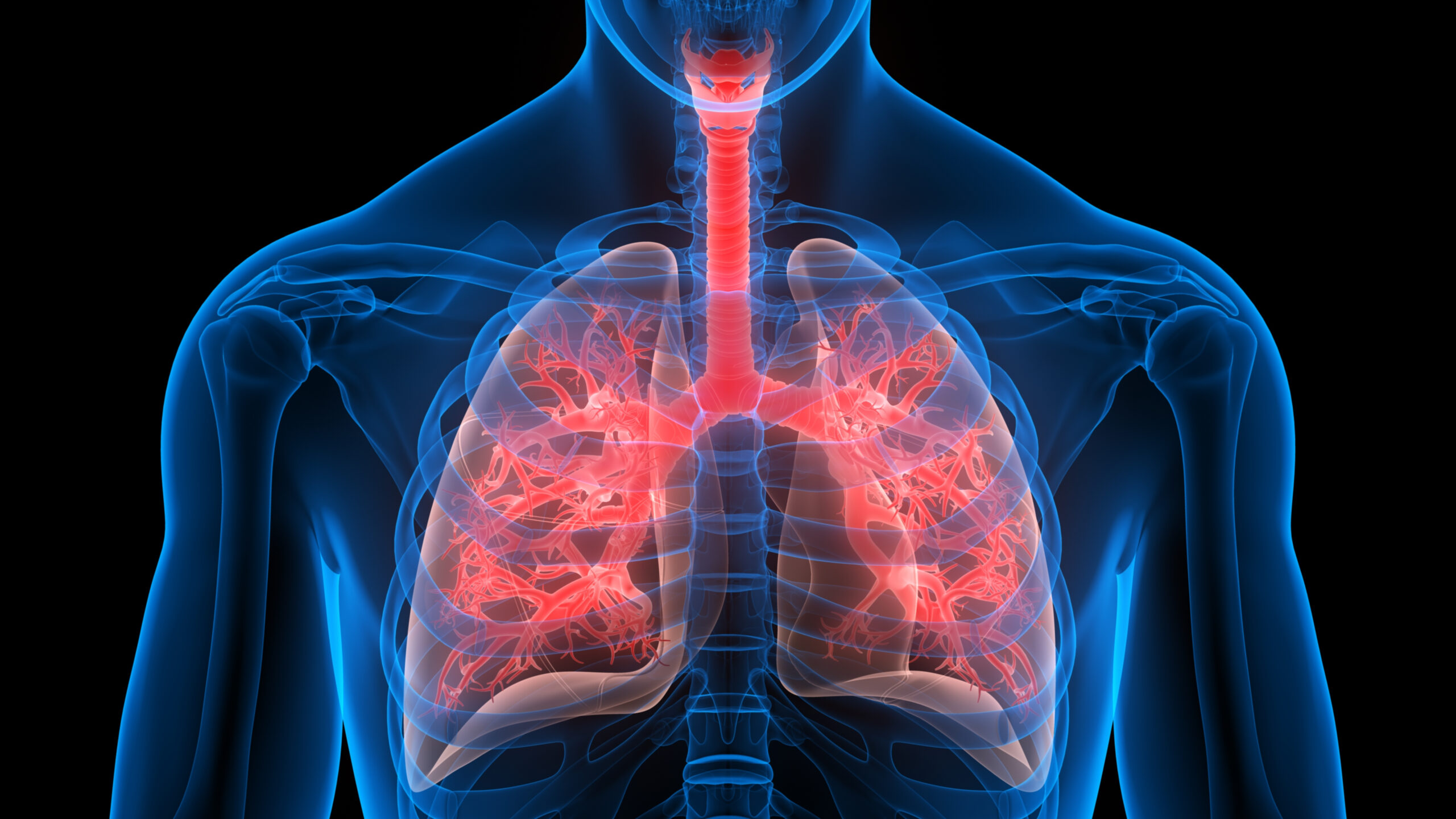
    How the Lungs Repair Themselves: A Molecular Switch for Regeneration
    Share
    Facebook Twitter LinkedIn Pinterest Email

    Credit: magicmine/Getty Images

    Every breath depends on the delicate air sacs of the lungs—the alveoli—where oxygen enters the bloodstream. These sacs are lined by two cell types: flat alveolar type 1 (AT1) cells that exchange gases, and cuboidal alveolar type 2 (AT2) cells that both secrete surfactant to keep lungs open and act as stem-like cells for regeneration.

    When the lungs are injured by infection, smoke, or chronic disease, AT2 cells must switch into a repair mode and replace damaged AT1 cells. But during infection, they also mount immune defenses. Understanding how these competing roles are balanced has long been a mystery.

    Mapping how lung stem cells “decide”

    In their new study published in Nature Communications, Douglas Brownfield, PhD, and colleagues at Mayo Clinic used single-cell sequencing, advanced imaging, and mouse injury models to track AT2 cells from development through adulthood.

    They found that young AT2 cells retain a short “window of plasticity”—about one to two weeks after birth—during which they can flexibly become AT1 cells for repair. As lungs mature, a transcription factor called C/EBPα locks AT2 cells into their specialized role, shutting off this regenerative potential.

    The researchers discovered that C/EBPα partners with two other regulators, PRC2 and DLK1, to form a molecular “pulse generator.” This circuit determines when AT2 cells lose or regain their stem-like properties. When injury strikes in adult lungs, AT2 cells must temporarily release this molecular clamp to regenerate.

    One switch, two fates

    The same genetic network also guides whether AT2 cells focus on repair or defense. When C/EBPα is suppressed, AT2 cells can re-enter a regenerative state, but if inflammatory signals such as interferons dominate, they instead adopt a “defender” program to fight pathogens.

    That explains a long-standing clinical observation: severe infections—including influenza and COVID-19—can stall lung healing by keeping AT2 cells in defense mode.

    Implications for regenerative medicine

    By identifying the precise factors that toggle AT2 behavior, this work provides a blueprint for regenerative lung therapies. Drugs or gene-based treatments that modulate C/EBPα or PRC2 activity could help reactivate repair pathways in conditions like pulmonary fibrosis or COPD, where the lungs fail to rebuild damaged tissue.

    “When we think about lung repair, it’s not just about turning things on—it’s about removing the clamps that normally keep these cells from acting like stem cells,” explained Brownfield. “We discovered one of those clamps and how it times the ability of these cells to repair.”

    From discovery to application

    The study also supports Mayo Clinic’s Genesis and Precure initiatives, which focus on preventing organ failure and detecting disease before it becomes irreversible. The team is now testing ways to expand human AT2 cells in culture by manipulating the same molecular switch—a step toward possible cell-replacement therapies.

    “This research brings us closer to being able to boost the lung’s natural repair mechanisms, offering hope for preventing or reversing conditions where currently we can only slow progression,” Brownfield concluded in a press statement.

    Lungs Molecular Regeneration Repair Switch
    Share. Facebook Twitter Pinterest LinkedIn Tumblr WhatsApp Email
    Previous ArticleWho benefits from the WTO fisheries agreement? Nutrition experts weigh in
    Next Article David Baker Keynotes STEM Fundraiser by ARCS Foundation Seattle
    admin
    • Website

    Related Posts

    First-in-Human Success for Prenatal Stem Cell Therapy in Spina Bifida

    February 28, 2026

    Pressure-Driven Pathway Links Liver Congestion to Fibrosis and Cancer

    February 28, 2026

    Genetic Biomarkers to Predict Efficacy of GLP-1 Therapies Uncovered

    February 28, 2026

    Mapping the Cellular Architecture of Aging Across 21 Organs

    February 28, 2026
    Leave A Reply Cancel Reply

    Our Picks

    9 Time-Saving Kitchen Gadgets for Fall at Amazon

    September 5, 2025

    Why Exercise Is So Important For Heart Health, From An MD

    September 5, 2025

    An Engineered Protein Helps Phagocytes Gobble Up Diseased Cells

    September 5, 2025

    How To Get Rid Of Hangnails + Causes From Experts

    September 5, 2025
    • Facebook
    • Twitter
    • Pinterest
    • Instagram
    • YouTube
    • Vimeo
    Don't Miss
    Longevity

    Nautilus debuts Voyager platform in push toward next-gen proteomics

    By adminMarch 1, 20260

    Company’s new benchtop system promises a clearer view of proteins following validation at a leading…

    First-in-Human Success for Prenatal Stem Cell Therapy in Spina Bifida

    February 28, 2026

    Pressure-Driven Pathway Links Liver Congestion to Fibrosis and Cancer

    February 28, 2026

    A cellular atlas of aging comes into focus

    February 28, 2026

    Subscribe to Updates

    Get the latest creative news from SmartMag about art & design.

    About Us

    At FineGut, our mission is simple: to enhance your self-awareness when it comes to your gut health. We believe that a healthy gut is the foundation of overall well-being, and understanding the brain–gut connection can truly transform the way you live.

    Our Picks

    9 Time-Saving Kitchen Gadgets for Fall at Amazon

    September 5, 2025

    Why Exercise Is So Important For Heart Health, From An MD

    September 5, 2025

    An Engineered Protein Helps Phagocytes Gobble Up Diseased Cells

    September 5, 2025
    Gut Health

    Nautilus debuts Voyager platform in push toward next-gen proteomics

    March 1, 2026

    First-in-Human Success for Prenatal Stem Cell Therapy in Spina Bifida

    February 28, 2026

    Pressure-Driven Pathway Links Liver Congestion to Fibrosis and Cancer

    February 28, 2026
    X (Twitter) YouTube
    • Contact us
    • Privacy Policy
    • Disclaimer
    • Terms and Conditions
    © 2026 finegut.com. Designed by Pro.

    Type above and press Enter to search. Press Esc to cancel.