
Close Menu
My Blog

    Subscribe to Updates

    Get the latest creative news from FooBar about art, design and business.

    What's Hot

    Nautilus debuts Voyager platform in push toward next-gen proteomics

    March 1, 2026

    First-in-Human Success for Prenatal Stem Cell Therapy in Spina Bifida

    February 28, 2026

    Pressure-Driven Pathway Links Liver Congestion to Fibrosis and Cancer

    February 28, 2026
    Facebook X (Twitter) Instagram
    X (Twitter) YouTube
    My BlogMy Blog
    Sunday, March 1
    • Home
    • About Us
    • Healthy Living
    • DNA & Genetics
    • Podcast
    • Shop
    My Blog
    Home»Microbiome»Human Embryo Model Produces Blood Stem Cells
    Microbiome

    Human Embryo Model Produces Blood Stem Cells

    adminBy adminOctober 16, 2025No Comments3 Mins Read
    Facebook Twitter Pinterest LinkedIn Tumblr WhatsApp VKontakte Email
    Human Embryo Model Produces Blood Stem Cells
    Share
    Facebook Twitter LinkedIn Pinterest Email

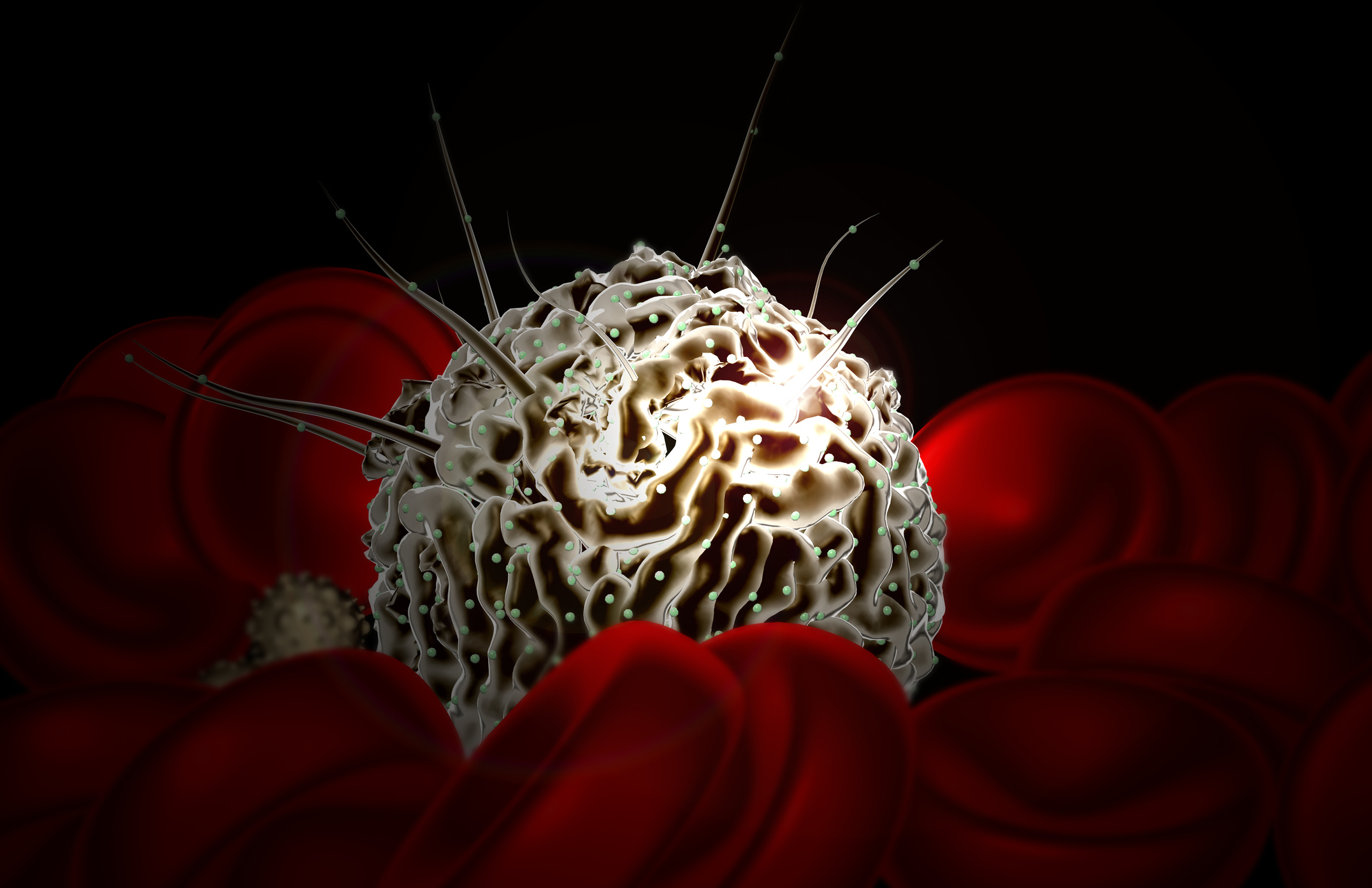
    Credit: MedicalRF.com / Getty Images

    Researchers at the University of Cambridge have developed embryo-like structures that mimic aspects of early human development, including the production of blood stem cells. These new self-organizing embryo-like structures were developed using human pluripotent stem cells (hPSCs) to produce three-dimensional structures, dubbed “hematoids,” which simulate post-gastrulation human embryogenesis and, within about two weeks, begin producing hematopoietic stem cells (HSCs) that can differentiate into both red and white blood cells.

    “It was an exciting moment when the blood red color appeared in the dish—it was visible even to the naked eye,” said Jitesh Neupane, PhD, a stem cell and developmental biologist at the University of Cambridge’s Gurdon Institute and first author of the study, published in Cell Reports.

    The researchers noted that the hematoids also contain beating heart cells and liver-like cells, recapitulating features of human embryos at Carnegie stage 12–16, and provide the basis for a fertile avenue of researching blood diseases such as leukemia. There is also the  potential to develop a platform for producing long-lasting blood stem cells for transplant.

    Unlike other lab-based methods of producing blood stem cells, this new approach does not rely on the addition of external proteins, growth factors, or forced gene expression, rather the hematoids form through a self-directed developmental process using a single small-molecule inhibitor of TGF-β1 to guide their growth. “There is no requirement for exogenous supplementation with hematopoiesis-associated cytokines, growth factors, or ectopic transcription factor over-expression,” the researchers wrote. “Hematoids provide a versatile model of the endogenous human hemogenic niche, setting this system apart from traditional EB-based approaches.”

    Once they were developed, the investigators then explored how hematoid-derived blood stem cells function. Using a co-culture system, they demonstrated that these cells can give rise to multiple blood lineages, including T cells and natural killer cells. “The maturation of CD3+ T cells and CD3−CD56+ NK cells from hematoid-derived HSCs strongly suggests that these cells are not myeloid-restricted primitive HSCs derived from the yolk sac,” the researchers wrote.

    The hope is that hematoids could help provide a deeper, more detailed understanding of blood diseases that arise early in life, such as leukemia, by allowing researchers to simulate disease development in a controlled laboratory setting.

    “Hematoids capture the second wave of blood development that can give rise to specialized immune cells or adaptive lymphoid cells, like T cells opening up exciting avenues for their use in modeling healthy and cancerous blood development,” said co-first author Geraldine Jowett, PhD, a researcher at University of Cambridge’s Gurdon Institute.

    The investigators noted there is great promise for hematoids to make a significant impact in precision medicine. Since the human stems cells that are used to create hematoids could be derived from a patient’s own cells, it could be possible to create blood stem cells that are immunologically compatible with the patients.

    Senior author Azim Surani, PhD, director of germline and epigenetics research at the Gurdon Institute said, “This model offers a powerful new way to study blood development in the early human embryo. Although it is still in the early stages, the ability to produce human blood cells in the lab marks a significant step towards future regenerative therapies—which use a patient’s own cells to repair and regenerate damaged tissues.”

    The Cambridge researchers are now working to refine the hematoid model to improve the maturation and functional output of the hematopoietic stem cells and are exploring the generation of additional immune and blood cell subtypes.

    Blood Cells Embryo Human model Produces Stem
    Share. Facebook Twitter Pinterest LinkedIn Tumblr WhatsApp Email
    Previous ArticleUncovering the Human Gut’s Hidden Virome
    Next Article Efficient quantum thermal simulation | Nature
    admin
    • Website

    Related Posts

    First-in-Human Success for Prenatal Stem Cell Therapy in Spina Bifida

    February 28, 2026

    Pressure-Driven Pathway Links Liver Congestion to Fibrosis and Cancer

    February 28, 2026

    Genetic Biomarkers to Predict Efficacy of GLP-1 Therapies Uncovered

    February 28, 2026

    Mapping the Cellular Architecture of Aging Across 21 Organs

    February 28, 2026
    Leave A Reply Cancel Reply

    Our Picks

    9 Time-Saving Kitchen Gadgets for Fall at Amazon

    September 5, 2025

    Why Exercise Is So Important For Heart Health, From An MD

    September 5, 2025

    An Engineered Protein Helps Phagocytes Gobble Up Diseased Cells

    September 5, 2025

    How To Get Rid Of Hangnails + Causes From Experts

    September 5, 2025
    • Facebook
    • Twitter
    • Pinterest
    • Instagram
    • YouTube
    • Vimeo
    Don't Miss
    Longevity

    Nautilus debuts Voyager platform in push toward next-gen proteomics

    By adminMarch 1, 20260

    Company’s new benchtop system promises a clearer view of proteins following validation at a leading…

    First-in-Human Success for Prenatal Stem Cell Therapy in Spina Bifida

    February 28, 2026

    Pressure-Driven Pathway Links Liver Congestion to Fibrosis and Cancer

    February 28, 2026

    A cellular atlas of aging comes into focus

    February 28, 2026

    Subscribe to Updates

    Get the latest creative news from SmartMag about art & design.

    About Us

    At FineGut, our mission is simple: to enhance your self-awareness when it comes to your gut health. We believe that a healthy gut is the foundation of overall well-being, and understanding the brain–gut connection can truly transform the way you live.

    Our Picks

    9 Time-Saving Kitchen Gadgets for Fall at Amazon

    September 5, 2025

    Why Exercise Is So Important For Heart Health, From An MD

    September 5, 2025

    An Engineered Protein Helps Phagocytes Gobble Up Diseased Cells

    September 5, 2025
    Gut Health

    Nautilus debuts Voyager platform in push toward next-gen proteomics

    March 1, 2026

    First-in-Human Success for Prenatal Stem Cell Therapy in Spina Bifida

    February 28, 2026

    Pressure-Driven Pathway Links Liver Congestion to Fibrosis and Cancer

    February 28, 2026
    X (Twitter) YouTube
    • Contact us
    • Privacy Policy
    • Disclaimer
    • Terms and Conditions
    © 2026 finegut.com. Designed by Pro.

    Type above and press Enter to search. Press Esc to cancel.