

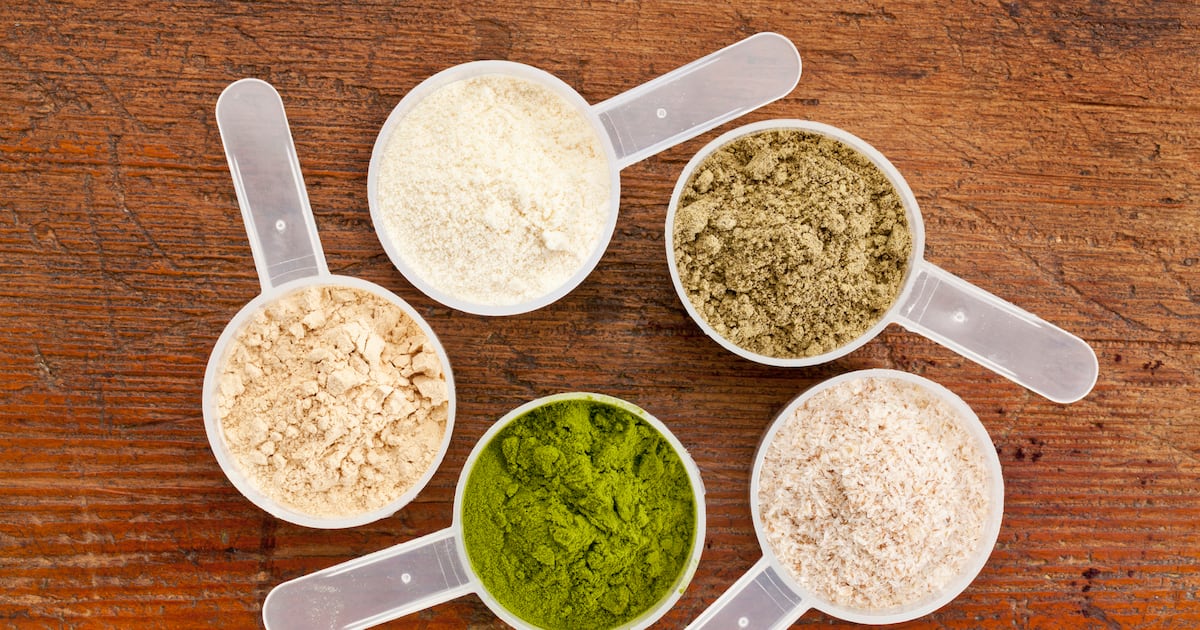
Released earlier this week, the analysis of best-selling dairy, beef and plant-based protein supplements, including protein powders and ready-to-drink protein shakes, allegedly revealed that 70% of products tested contained over 120% of Consumer Reports’ level of concern for lead (defined as 0.5 micrograms per day).
The lead levels in plant-based products were, on average, nine times the amount found in those made with dairy-based proteins like whey, according to Consumer Reports, and double the levels measured in beef protein products.
Consumer Reports announced it has subsequently launched a petition calling on the U.S. Food and Drug Administration to take action once the government shutdown is over.
“Protein powders and shakes have become immensely popular and are part of a daily routine for many people who are focused on consuming more protein in their diet,” said Brian Ronholm, director of food policy at Consumer Reports. “Our tests found that toxic heavy metal contamination in protein supplements is widespread and has worsened since we first analyzed these products 15 years ago.”
“No one should have to worry that their protein shake could expose them to dangerous levels of lead. It’s time for the FDA to protect the public and hold industry accountable by setting strong limits on lead in protein powders and shakes,” he added.
The full Consumer Reports article can be found HERE.
‘Interpret results in context’
In a blog post, Dr. Jordan Glenn, head of science at SuppCo, noted that common produce contains similar levels of lead to what Consumer Reports measured in protein powders. He cited a 2021 study from Poland published in Scientific Reports that found that a medium tomato or carrot contains on average 2.33 micrograms of lead, one and a half apples contains 2.3 micrograms, and eight to 10 strawberries contains about 2.2 micrograms.
“In other words, a plant-based protein shake may contain roughly the same amount of lead as a serving of produce,” Dr. Glenn wrote.
“The takeaway is not to ignore testing or regulation but to interpret results in context. Heavy metals testing remains essential, and choosing brands that publish third-party certificates of analysis is always wise,” he added. “But trace metals in the single-digit microgram range are not evidence of negligence, they are evidence of nature.”
CRN: Overstating risk and causing unnecessary alarm
The Council for Responsible Nutrition (CRN) issued a press release stating that while it supports rigorous science-based evaluation of dietary supplements and functional foods, important context is missing in the Consumer Reports publication. It contends that details about how products were selected, whether testing reflected typical consumer use and how its ‘levels of concern’ were derived are absent.
“Without harmonization to established federal benchmarks, or even actual safety risk, such proprietary thresholds can overstate risk and cause unnecessary alarm,” the organization noted.
“The mere detection of heavy metals such as lead, cadmium or arsenic does not equate to a health hazard. Modern testing methods are extraordinarily sensitive and capable of identifying trace amounts of naturally occurring elements that are found broadly in soil, water and plants. Supplement manufacturers are already required under federal Good Manufacturing Practices to test for contaminants and ensure compliance with federal standards.”
There’s a difference between detection and danger
In its response, the Natural Products Association (NPA) said that FDA’s science-based action levels for lead in foods intended for infants and young children establish thresholds that are achievable and protect the public. While not directly applicable to dietary supplements, NPA highlighted that the levels Consumer Reports calls “high” fall significantly below FDA’s established action thresholds.
“FDA’s position is clear: There’s a difference between detection and danger,” said Daniel Fabricant, PhD, president and CEO of NPA.
“Consumer Reports knows that, but it doesn’t fit its narrative. Responsible supplement makers including those who belong to NPA are already going above and beyond what the law requires. Meanwhile, Consumer Reports is using scare headlines to undermine the credibility of a $70 billion+ industry built on transparency, safety and science.”
He added: “Every time this issue comes up, NPA’s position has been the same—base public health decisions on data, not drama. If any product exceeds safe limits, fix it, but let’s stop pretending that detecting parts per billion of naturally occurring elements reveals a public health emergency.”
IPB: Not a new concern
Offering a different perspective, Dr. Rob Wildman, founder of the International Protein Board, told NutraIngredients+ that the presence of heavy metals in protein products—including ready-to-drink shakes, protein powders and bars—is not a new concern.
“This ongoing issue highlights the importance for both brands and suppliers to maintain a clear understanding of the heavy metal content in their raw ingredients,” he said. “Thoughtful formulation, transparent marketing and informed decision-making are essential in minimizing consumer risk and ensuring regulatory compliance.”
Dr. Wildman added that historically, products that contain chocolate—not just chocolate flavor—tend to be more prone to heavy metal exposure due to the soil conditions where much of the cacao is grown, while mass gainer products present higher risk because of their large serving sizes and concentrated protein content.
“Ultimately, strong supply chain oversight, robust ingredient testing programs and clear regulatory guidance are critical to delivering safe, high-quality protein products to consumers,” he said.
